‘Political Giving Is the Original Wealth Tax’: What Musk’s $474 Million Midterm Bet Actually Bought

This post may contain links from our sponsors and affiliates, and Flywheel Publishing may receive compensation for actions taken through them.
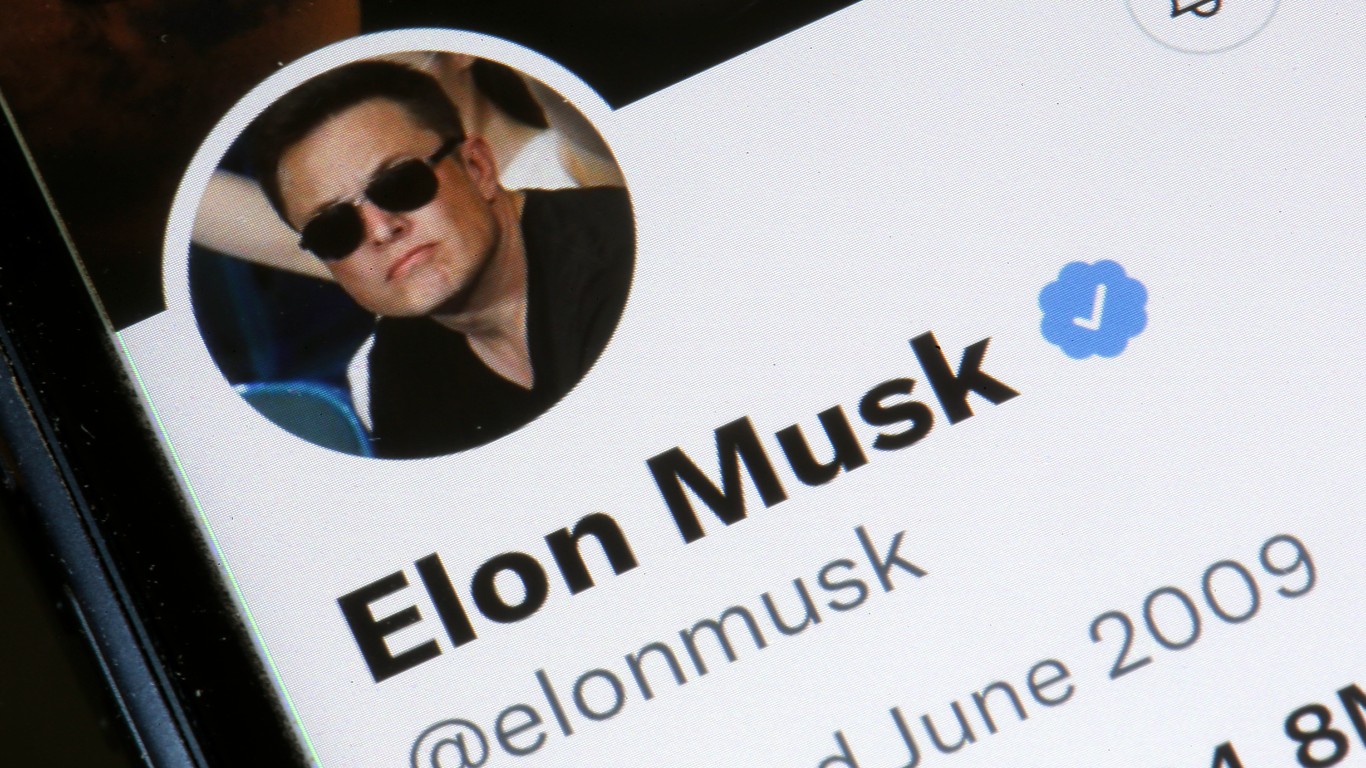
Two days after Democrats swept the 2026 midterms, Odd Lots guest Skanda Amarnath borrowed a line from billionaire John Arnold to sum up Elon Musk’s political spending: “Political giving is the original wealth tax.” Co-host Joe Weisenthal went further. He called Musk’s politics potentially “one of the most colossal wastes of money we ever imagined.”
Musk was reportedly the largest individual donor of the 2026 midterms, giving $474 million to support Republicans. He told Americans to “vote red” on Nov. 3. By Nov. 5, he was responding James Talarico, the newly elected Democratic senator from Texas, who had called him a “great innovator”. Musk’s reply: “Nice of him to say that.”
Meanwhile, Tesla (NASDAQ:TSLA | TSLA Price Prediction) closed Nov. 5 about 14% below its Nov. 3 close. The stock is down roughly 20% this year. Nobody can prove the donations caused that drop. On CNBC’s Halftime Report, money manager Rob Sechan pointed to the exposure instead: “They have their largest customers in the U.S. government with huge contracts that need to be renewed.”

Arnold’s Line Gets the Mechanics Right but Misjudges Musk’s Pain
Calling political giving a “wealth tax” accurately describes how the money works. It misleads you about who actually feels the cost.
A political contribution is paid with dollars you’ve already paid tax on. Federal law requires political organizations to state in their fundraising pitches that gifts are not deductible as charitable contributions (26 U.S.C. § 6113(a)). Charity works differently, because § 170(a) allows a deduction for any charitable contribution to a qualified group. So every political dollar costs a full dollar. There’s no tax offset and no guaranteed return. That’s the “tax” part, and Arnold has it right.
For Musk, the comparison breaks down on scale. Altrata’s Billionaire Census notes he briefly became the first trillionaire after SpaceX went public in mid-2026. Measured against that fortune, $474 million is about 0.05% of his net worth.
For a household worth $100,000, a gift of the same proportion would be $47.
So the donation itself was pocket change for Musk. At any wealth level, the bigger cost of a political gift is what the money would have grown into. That’s the part that applies to your own checkbook.
Two Variables Decide What Your Political Dollar Really Costs
The first variable is whether your gift gets a tax break. Starting in 2026, people who take the standard deduction can deduct up to $1,000 in cash gifts to qualified charities. Joint filers can deduct up to $2,000.
Take a single filer in the 22% bracket, used here as an example. A $1,000 charitable gift costs that person $780 after the deduction. A $1,000 political gift costs the full $1,000. The cause is identical, but only the charitable gift gets a tax break.
The second variable is time. For 2025 and 2026, an individual can give a federal candidate up to $3,500 per election.
Say you invested that $3,500 instead, gets an example return of 7% a year. After 30 years, it would grow to about $26,643.
Now make it a habit. Giving $1,000 a year to political causes for 30 years means giving up a portfolio of roughly $94,461 at that same return. Musk can ignore numbers like these. For most households, that’s a real chunk of a retirement account.
Run These Numbers Before the Next Fundraising Email Arrives
- Price each gift in future dollars. Before you donate, plug the amount into the SEC’s compound interest calculator at Investor.gov. Use your years until retirement and a conservative return. That way you see the real cost of the gift, beyond the amount on the receipt.
- Split charitable and political giving in your budget. Charitable cash gifts can now qualify for the deduction even if you don’t itemize. Political gifts never qualify. Many advocacy causes run a tax-deductible 501(c)(3) arm alongside a political committee. If you’re giving to the issue more than to a candidate, the 501(c)(3) arm costs you less per dollar.
- Set a giving cap as a share of your net worth. Musk’s check was a tiny piece of his wealth. Decide what share of yours you’ll commit each election cycle, put the dollar figure in writing, and stop when you hit it.
- Audit what each cycle delivered. Weisenthal asked of Musk, “Has he gotten one thing from caring about politics?” After each election, write down the results you paid for. Compare that list with the combined figure from step one before you give again.
Next, watch whether Tesla’s government contracts get renewed. And when fundraising emails come next cycle, price each political gift in future dollars.
Contact [email protected] for any questions or corrections.
Jake has been been working in financial media for almost 15 years. He focuses on all things personal finance for 24/7 Wall St. with high hopes to educate and entertain. Most recently, Jake spent 12 years working various roles at The Motley Fool. He started copy editing fool.com content, worked on premium and marketing campaigns, and helped launch The Ascent, a personal finance brand.
His work has been featured on platforms like MSN, Yahoo Finance, USA Today, and more. He's written about credit cards, social security, ETFs, savings accounts, and just about anything else you can imagine when thinking about money. Jake love to cook, play golf, and tell people he's never had a cavity. (It's true!)