Dave Ramsey Heard From a Caller Who Forgot She Owned $18 Million of One Tech Stock

This post may contain links from our sponsors and affiliates, and Flywheel Publishing may receive compensation for actions taken through them.
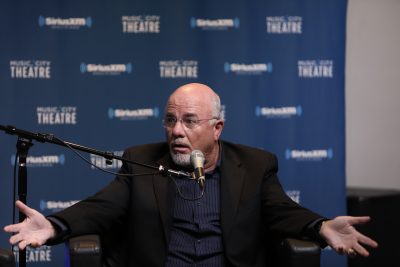
Dave Ramsey posted about a caller with a problem most people would love to have on November 12: “Sarah has $18,000,000 sitting in a single stock from her old tech job, and she had forgotten she even owned it. She called in to The Ramsey Show for advice on what to do with it.”
The post doesn’t name the company. What makes the call worth studying is when it happened. An ETF tracking the Nasdaq 100 fell 8% in the month to November 12. At that rate, an $18 million tech position loses about $1.4 million in a month, or six figures a week.
A day earlier, the show aired a call from Karen, 65, whose husband left after losing $500,000 of their retirement trading stocks. Both calls teach one lesson: concentrated stock positions can wreck a retirement.
Ramsey’s Own Rule Says Sarah Is Exposed
My take: an $18 million fortune in one stock is a risk to deal with now, and leaving it to sit as a trophy compounds that risk. Ramsey’s own philosophy makes the case. On an August 7 show, he said losing all your money in the 2008 market was “mathematically impossible unless you bought a single company that went broke.” He holds his own money in paid-for real estate and growth stock mutual funds.
A single stock is the one place where his math stops working. Even a thriving company can get cut down fast. NVIDIA (NASDAQ:NVDA | NVDA Price Prediction) is a good example, though nothing suggests it’s Sarah’s stock. Its latest quarterly revenue was $96.2 billion[1], up 106% from a year earlier. Non-GAAP EPS of $2.22[1] beat expectations.
Shares still fell 27% over the past month to about $161, and tech stocks struggled Friday after Nvidia turmoil. Hold $18 million of NVIDIA through that month and you’d be down $4,930,200 in about 30 days.
Why the Tax Bill Is the Smaller Risk
Many people won’t sell a big winner because of the tax bill. Long-term gains face a top federal rate of 20%[2] under 26 U.S.C. § 1(h)(1)(D). Higher earners also owe the 3.8%[3] net investment income tax under 26 U.S.C. § 1411(a)(1).
Say Sarah’s cost basis is close to zero, which is common for old employee grants. Then the federal bill on the whole position is about $4,284,000, leaving $13,716,000 before state tax. That bill is smaller than one bad month in NVIDIA. Taxes are a known, one-time cost. The downside of holds it all in one company has no limit.
Now say she diversifies what’s left and withdraws 4% a year (an example rate). That’s about $549,000 a year in income. Once she’s diversified, the main thing that could wreck her finances is the one company she owns now.
Your Cost Basis Changes the Math
How much you paid for the shares decides how much selling costs. With a zero basis, Sarah owes the full $4,284,000. If she had paid $9 million over the years (an example), the federal bill drops to $2,142,000. A higher basis makes diversifying cheap.
A very low basis is the strongest tax argument for holds the shares, and it mostly helps elderly owners. Under 26 U.S.C. § 1014(a)(1), heirs get a basis equal to the stock’s fair market value at the date of the decedent’s death[4], which erases the gain. If you’re decades from that point, you’re carrying single-stock risk for years to save a tax bill one month of losses could exceed. Getting the ownership and beneficiary paperwork right matters as much as the basis step-up itself, which is why we put the full estate checklist in a free guide here.
Run These Checks on Your Own Accounts
- Look for forgotten shares. Sarah lost track of hers. Log into old employer stock-plan administrators and 401(k) portals, and search your state’s unclaimed property database for accounts from past jobs.
- Find your concentration. Divide the value of your largest single stock, including employer shares in your 401(k), by your total investable assets. If one company’s bad year would change your retirement date, you’re too concentrated.
- Get your cost basis and holding period. Download lot-level basis from your brokerage. Shares held over a year qualify for long-term rates, which usually makes those lots cheaper to sell than short-term lots.
- Model selling in stages. Splitting a sale across two tax years can help smaller positions stay in lower brackets. At eight figures, staging mostly cuts timing risk because most of the gain lands in the top bracket anyway.
- Give shares instead of cash. If you already donate to charity, giving appreciated stock lets you skip the capital gain on those shares, and you holds the cash to buy diversified funds.
A known tax bill is almost always cheaper than holds your future tied to one company’s share price.
Contact [email protected] for any questions or corrections.
Jake has been been working in financial media for almost 15 years. He focuses on all things personal finance for 24/7 Wall St. with high hopes to educate and entertain. Most recently, Jake spent 12 years working various roles at The Motley Fool. He started copy editing fool.com content, worked on premium and marketing campaigns, and helped launch The Ascent, a personal finance brand.
His work has been featured on platforms like MSN, Yahoo Finance, USA Today, and more. He's written about credit cards, social security, ETFs, savings accounts, and just about anything else you can imagine when thinking about money. Jake love to cook, play golf, and tell people he's never had a cavity. (It's true!)