A 2003 $2 Bill Sold for $2,400, Then $4,000 Two Weeks Later. The Serial Number Is Why, and Here’s How to Check Yours

This post may contain links from our sponsors and affiliates, and Flywheel Publishing may receive compensation for actions taken through them.
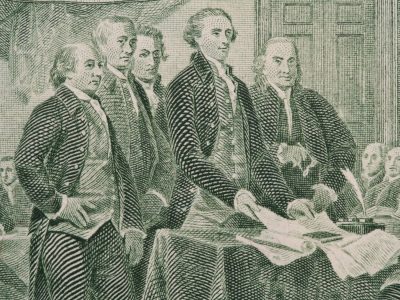
Most $2 bills in drawers and old wallets are worth $2. Tribune News Service (Spokesman-Review) and TribLive (citing Heritage Auctions) reported that a Series 2003 $2 Federal Reserve star note with serial number L00000007[1] sold for $2,400. According to Tribune News Service (Spokesman-Review), the same note sold again for $4,000[1] two weeks later. TribLive (citing Heritage Auctions) matched the Tribune News Service (Spokesman-Review) $2,400[2] first price for an online sale in mid-2022. It reported the resale about two weeks later.
Retirees going through a parent’s cash box or their own souvenir currency face two questions. Is my bill worth anything? And if it is, what does the IRS take when I sell it?
Two Features Together Drove the Resale Price
The 2003 note had two traits at once. First, it was a star note. The Treasury prints star notes to replace sheets that came out misprinted, and it marks them with a star symbol in the serial number. Second, its serial number was extremely low, a single digit after a row of zeros.
The reported price reflected both traits on one bill. A low serial on an ordinary note, or a star on a note with a routine serial, should be valued separately, and usually much lower.
How to Check Your $2 Bill in Six Steps
- Series year. It is printed on the face of the note. Older series generally carry more collector interest.
- Seal color. Red, brown and blue seals appear on older issues. Modern Federal Reserve notes have green seals.
- Star symbol. Look at the serial number for a star, which marks a replacement note.
- Low serial numbers. Serials made up mostly of leading zeros followed by a small number are the rarest.
- Fancy serials. Collectors look for patterns such as ladder numbers (consecutive digits in order), repeating digits and radar serials that read the same forward and backward.
- Condition. Uncirculated notes, crisp with no folds, creases or stains, sell for more than worn ones.
Ranked: What $2 Bills Have Reportedly Fetched
Most $2 bills are worth face value or just more. Several of the figures below are price estimates from U.S. Currency Auctions, and the final price at a sale can come in higher or lower.
- 1890 Treasury Notes: $2 Treasury Notes from 1890 are worth $4,500[1], according to U.S. Currency Auctions.
- 2003 star note, serial L00000007: The note’s second sale brought $4,000[1], according to Tribune News Service (Spokesman-Review).
- 1862 through 1917 red, brown and blue seals: These can be worth up to $1,000[2] or more on the U.S. Currency Auctions website.
- 1976 bicentennial notes have special features. Tribune News Service (Spokesman-Review), citing U.S. Currency Auctions, reported that some with special serial numbers, misprints, stamps or star notes can be worth up to $900[1].
- 1928 notes: TribLive, citing U.S. Currency Auctions, reported these sold on average for between $35[2] and $90.
- Circulated 2013 notes: These are worth about $2.10[1], according to U.S. Currency Auctions.
- Recent notes in general: TribLive reported that many of the most recent $2 notes sell for less than $3[2].
What the IRS Sees When You Sell a Rare Note
The federal tax code puts collectibles in a separate group. 26 U.S.C. § 1(h)(5)(A)[3] defines collectibles gain as gain from selling a capital asset held more than one year that qualifies as a collectible under section 408(m), ignoring the exception in paragraph (3) of that section. Section 408(m)(2) lists art, rugs, antiques, metals, gems, “any stamp or coin[4],” alcoholic beverages and “any other tangible personal property specified by the Secretary” (26 U.S.C. § 408(m)(2)(D) and (F)). Currency bought and sold for its collector value is generally treated the same way. Plan on collectibles treatment, and confirm how your particular note should be classified with a tax preparer.
Collectibles gain is part of “28-percent rate gain” under 26 U.S.C. § 1(h)(4)(A)(i)[3], and § 1(h)(1)(F)[3] taxes that layer at 28%. IRS Publication 550 for tax year 2025 sets the maximum rate on collectibles gain at 28%. Other long-term gains fall under the 0%, 15% and 20% brackets. The same publication adds that if you are otherwise subject to a rate lower than 28%, the 28% rate does not apply.
For tax year 2026, the IRS sets the 22% ordinary bracket at incomes over $50,400 for single filers ($100,800 for joint filers), and the 24% bracket at incomes over $105,700 ($211,400 joint). Look up the tax year 2026 thresholds for the 0%, 15% and 20% rates on long-term gains in Revenue Procedure 2025-32 before you estimate the tax on a sale.
The holding period also matters. The count begins on the day after you acquired the property, and the day you sell counts as part of it. Gain on a note held one year or less is short-term, according to Publication 550.
One IRA Exception Worth Knowing
Under IRA rules, 26 U.S.C. § 408(m)(3)[4] excludes certain gold, silver and platinum coins described in 31 U.S.C. 5112, coins issued under the laws of any State, and bullion that meets contract-market fineness standards and is held by a qualifying trustee. Paper currency falls outside that exception. Because § 1(h)(5)(A) ignores paragraph (3), even those exempt coins produce collectibles gain when they are sold.
For retirees, a large gain also raises adjusted gross income. That can affect how much of your Social Security is taxed and whether you pay Medicare premium surcharges two years down the line (we mapped IRMAA and other traps in a free Medicare guide). Before selling a star note or low-serial bill, get it graded, keep the auction records, and run the numbers against your income for that year.
Contact [email protected] for any questions or corrections.
Jake has been been working in financial media for almost 15 years. He focuses on all things personal finance for 24/7 Wall St. with high hopes to educate and entertain. Most recently, Jake spent 12 years working various roles at The Motley Fool. He started copy editing fool.com content, worked on premium and marketing campaigns, and helped launch The Ascent, a personal finance brand.
His work has been featured on platforms like MSN, Yahoo Finance, USA Today, and more. He's written about credit cards, social security, ETFs, savings accounts, and just about anything else you can imagine when thinking about money. Jake love to cook, play golf, and tell people he's never had a cavity. (It's true!)