She Dug Up Dinosaurs for a Living. A 20-Year-Old Fossil in Her Social Security Record Was Costing Her Every Month.
A retired paleontologist spotted something strange in her Social Security earnings history from two decades ago, and fixing it turned out to require the same careful excavation she spent her career practicing.

This post may contain links from our sponsors and affiliates, and Flywheel Publishing may receive compensation for actions taken through them.

The Fossil in Her Own File
A retired paleontologist in her late sixties spent decades brushing sediment from bones. One quiet afternoon, she begins doing the same thing to her Social Security Statement. A year from early in her career shows only $8,000 in earnings. She remembers it differently. That summer, she worked for a university field crew before moving into a year-end position at a natural history museum. The university pay appears. The museum wages do not.
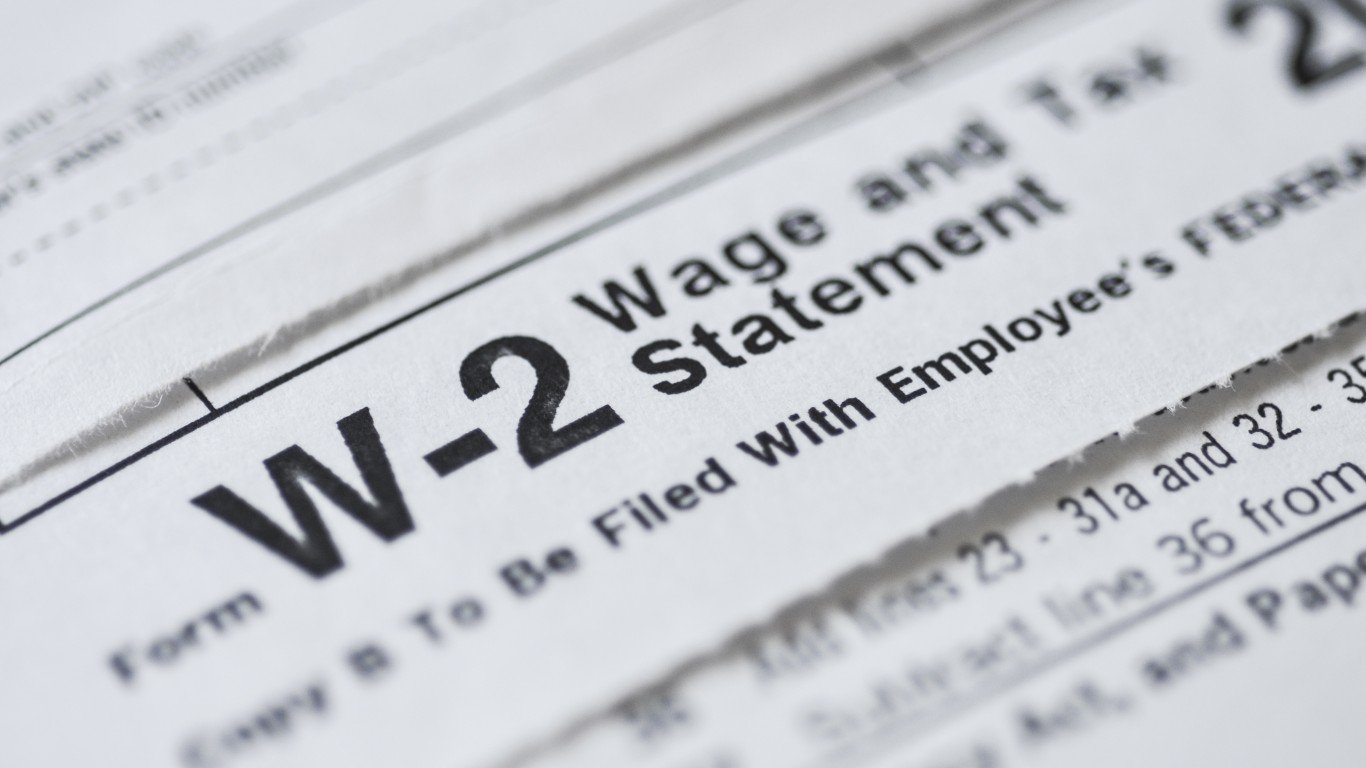
She digs through an old records box and finds the missing layer: a W-2 showing another $30,000, along with the tax return she filed that year. Social Security corrects the record and recalculates her benefit. A few months later, her monthly check rises. The fossil was not buried in rock. It was buried in payroll.
Why One Missing Job Can Change the Check
Social Security generally calculates retirement benefits from a worker’s 35 highest years of indexed earnings. Someone with fewer than 35 years gets zeros in the empty spaces. Someone with a badly understated year carries that smaller number into the average. Correcting the record matters only if the recovered wages enter those top 35 years. A missing $30,000 may do nothing for someone with 35 higher-earning years already on file. For this paleontologist, whose early career included graduate-school and seasonal fieldwork, the corrected year replaces a much weaker one.
The increase may be modest each month, but retirement gives modest numbers a long runway. An additional $40 a month becomes $9,600 over 20 years before future cost-of-living adjustments (COLAs). Once the benefit is corrected, later increases build from the higher amount. An old payroll error can therefore keep collecting from every check until someone notices it.
The Three-Year Rule Has Exceptions
Social Security ordinarily allows three years, three months, and 15 days after a tax year to correct an earnings record. Once that period passes, the record generally becomes final. A 20-year-old error is not automatically hopeless. Social Security can make later corrections in several circumstances, including when an employer omitted a worker from a wage report, reported the wages but they never reached the worker’s record, or when the agency needs to bring its records into line with a tax return filed on time.
That is the opening in this case. Her museum wages were reported on a timely tax return but never credited properly to her Social Security history. The old W-2 and return help establish both the earnings and the exception permitting a late correction. The paperwork does not defeat the time limit by itself. It gives Social Security evidence that the error fits one of the ways around it.
Missing self-employment income can be harder to recover. If the worker did not report that income on a tax return before the correction deadline expired, finding an old invoice years later generally will not create Social Security credit. That is why the distinction between missing employer wages and forgotten self-employment income matters.
Why Waiting Until Retirement Is Risky
A mistake becomes harder to prove with every passing year. Employers close. Payroll companies merge. People change names. Paper fades, and passwords disappear with old computers. Social Security recommends checking an earnings history regularly through a my Social Security account. A recent mistake may be corrected with a call to an employer. A 20-year-old one can turn into an archaeological expedition.
The numbers also need to be compared correctly. An employee should generally look at Social Security wages in Box 3 of Form W-2, not simply the taxable wages in Box 1. A self-employed worker’s record reflects net earnings after business expenses, not gross revenue. A difference is not always an error, but a zero or unexplained drop deserves a closer look.
What to Dig Out Now
Three steps can keep a payroll fossil from reaching retirement:
- Review the earnings history year by year. Compare it with W-2 forms, tax returns, and the employers remembered from each period. Pay particular attention to zeros, unusually low years, and years involving multiple jobs.
- Preserve the evidence. Scan W-2s, corrected wage statements, pay stubs, and filed returns before the paper disappears. Keep the files at least until the correct earnings appear in the Social Security record.
- Raise discrepancies promptly. Give Social Security the employer’s name, the year worked, the correct wage amount, and whatever documentation remains. The older the mistake, the more important it becomes to show why a late correction is still allowed.
She spent a career proving that old evidence can change the present. Her Social Security file was no different. The mistake had been buried for 20 years, but it was still taking a bite out of every check.
Contact [email protected] for any questions or corrections.
Gerelyn Terzo is the author of dividend investing handbook "Dividend Investing Strategies: How to Have Your Cake & Eat It Too." A veteran financial journalist, she covers agri-finance for outlets like Global AgInvesting and the broader stock market and personal finance for 24/7 Wall Street. She began at CNBC and later helped launch Fox Business in New York. Gerelyn currently resides in Woodland Park, Colorado and dabbles in nature photography as a hobby.