He Put $300,000 Into Real Assets at 64. One Ownership Choice Made Social Security Treat Him as Still Working.
He bought farmland expecting passive rent checks and a quiet retirement, but the way he structured one lease turned his investment into something Social Security recognized as a job.

This post may contain links from our sponsors and affiliates, and Flywheel Publishing may receive compensation for actions taken through them.
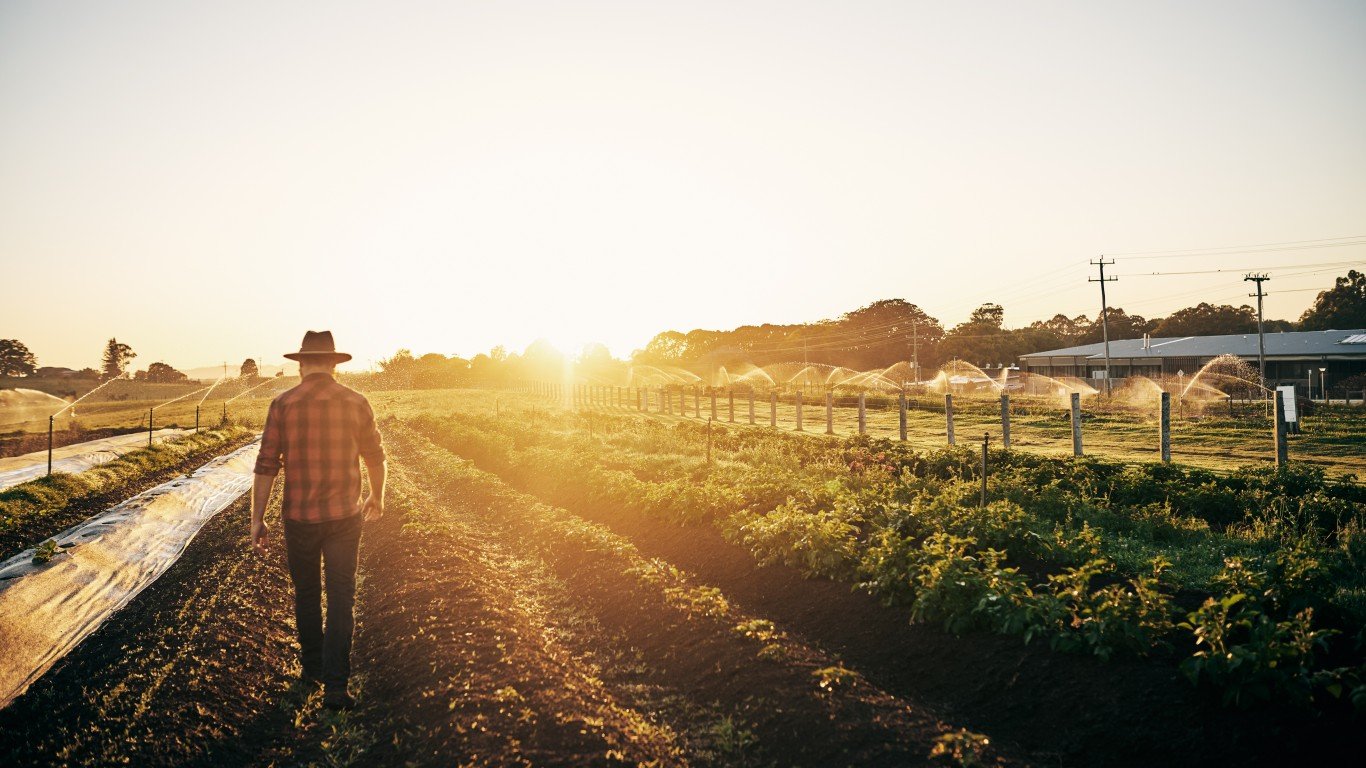
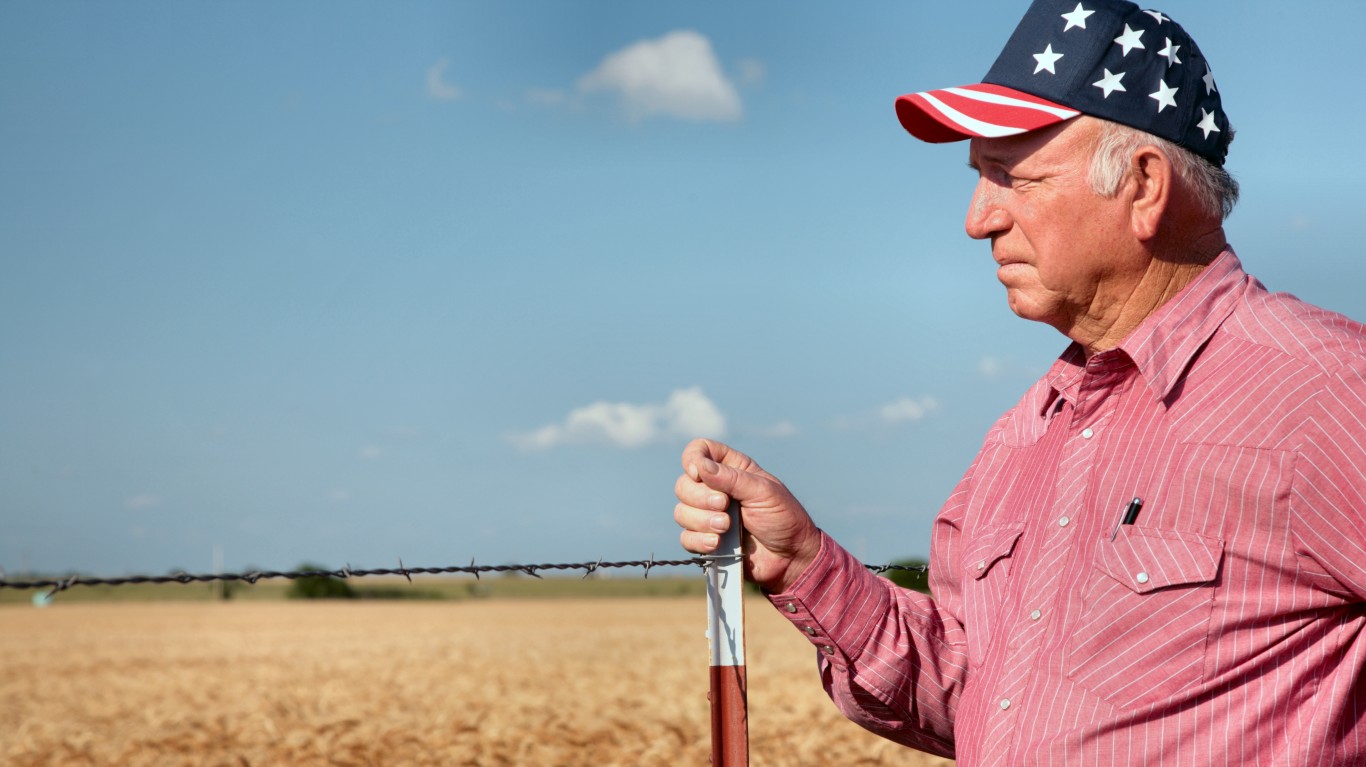
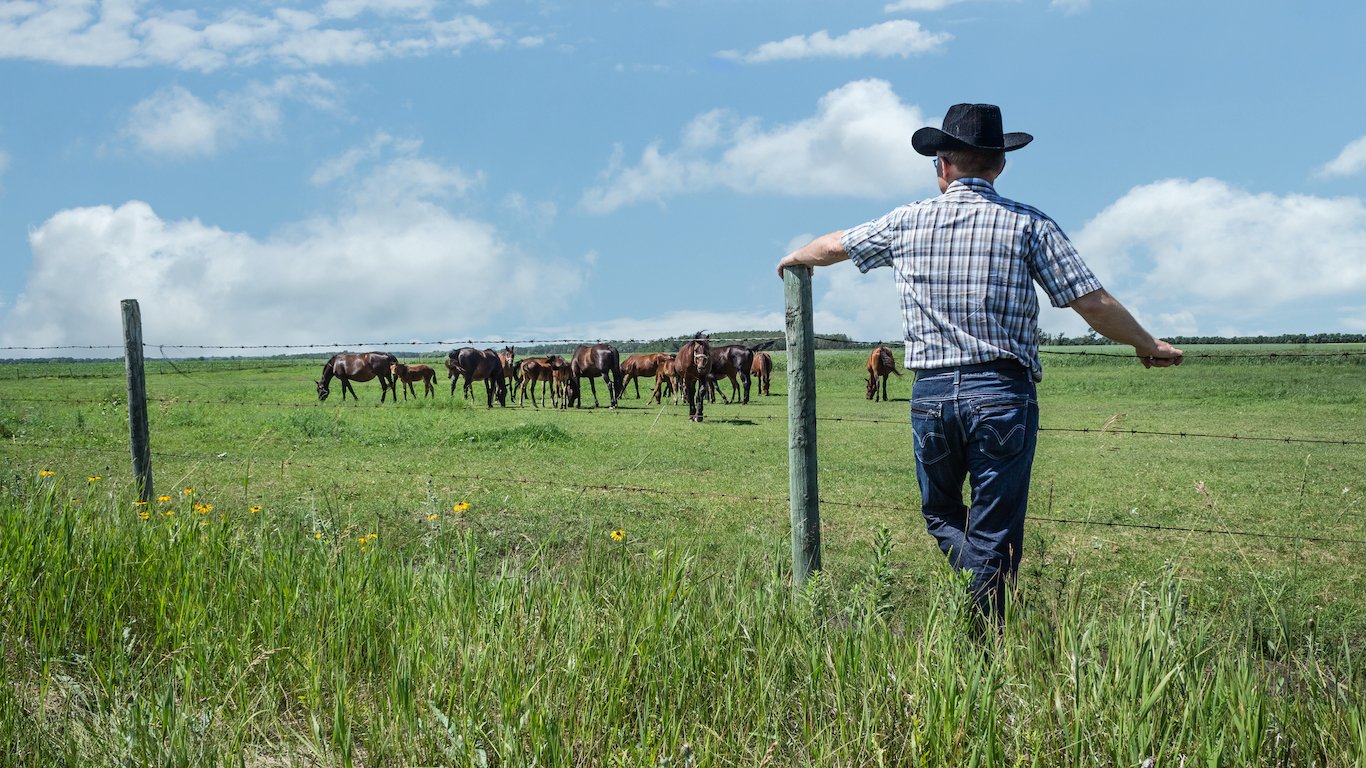
A 64-year-old walks into retirement with $300,000 earmarked for a real asset. He buys farmland, leases it to a local operator, and expects rent checks to arrive while he enjoys retirement. He already filed for Social Security at 62 and assumes land is land and rent is rent. Social Security does not see it that simply.
If he collects fixed cash rent and stays out of the operation, the income generally remains outside the retirement earnings test. If he takes part of the harvest and helps manage production, the same land can begin generating self-employment income. From the road, nothing changed. On his tax return, his investment started looking like a job.
The Lease Does Not Decide by Itself
Before full retirement age (FRA), Social Security applies the retirement earnings test to wages and net self-employment income. Investment income and ordinary rental income do not count. In 2026, someone under FRA for the entire year can earn $24,480 before withholding begins. Social Security then withholds $1 in benefits for every $2 earned above the limit. The withheld benefits are reflected in a later recalculation at FRA, but that does not replace the cash missing today.
The important line is not simply cash rent versus crop-share rent. The IRS looks at both the agreement and what the owner actually does. If the arrangement calls for him to participate in producing or managing the crop, and he follows through, the resulting income can become net self-employment earnings. A lease cannot call him passive while he is out there making decisions every week.
The Passive Route: Fixed Cash Rent
He buys the land and leases it to a farmer for a fixed amount per acre. The tenant chooses the crop, buys the inputs, runs the equipment, and decides when to harvest. The owner collects his rent and stays out of the cab. That income is generally reported as rental income and does not count under the Social Security earnings test. His monthly benefit is not withheld merely because the property produces rent.
The net rental income can still raise his adjusted gross income AGI, making more of his Social Security taxable and potentially lifting Medicare premiums two years later. “Not counted under the earnings test” does not translate to “invisible.” It means the income avoids this particular test.
The Active Route: A Share of the Harvest
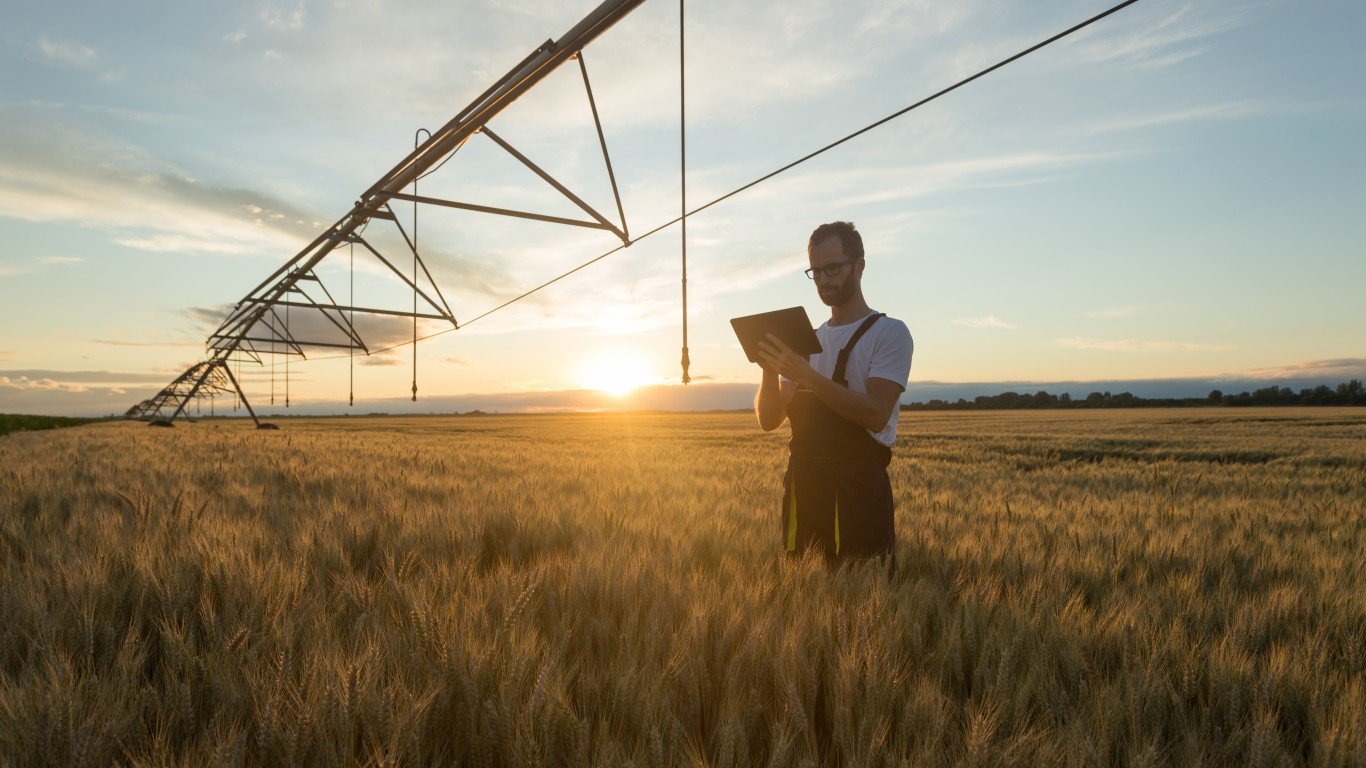
Now change the arrangement. Instead of fixed rent, he receives part of the crop. He helps choose seed, shares production costs, inspects the fields, discusses when to spray, and helps decide when the crop should be sold. That is where rent starts looking like work. The IRS generally treats crop-share income as self-employment income when the lease provides for material participation and the landowner actually participates. The income moves onto Schedule F and enters the Social Security earnings calculation.
Material participation can include regularly making important management decisions, advising the tenant and inspecting production, furnishing substantial equipment or production costs, or spending meaningful time working in the operation. It is based on conduct, not job title.
If his resulting net farm earnings push his total earned income over $24,480, the earnings test can temporarily withhold part of his Social Security. He may also owe self-employment tax. The land remains an investment on his balance sheet, but his role has crossed from landlord to working farm operator. A crop-share arrangement without material participation can remain outside self-employment earnings and is generally reported on Form 4835. Receiving part of the harvest is not enough by itself to flip the result.
The REIT Route: Acres Without the Chores
He could instead buy shares of a farmland real estate investment trust (REIT) in a brokerage account. The distributions are investment income, not wages or self-employment earnings, so they do not count against the earnings test. The trade-off is control. He owns shares in a company that owns land, not the field down the road. The benefit is liquidity and a clean separation between investing and working. Nobody from Social Security will ask whether he helped choose the seed.
What to Decide Before Signing
The practical question is not simply what he wants to own. It is how close he wants to stand to the operation after closing.
- Write the lease to match the role. A fixed cash lease with the tenant controlling production is cleaner for someone who wants passive income. A crop-share agreement involving management can create self-employment earnings.
- Make sure behavior matches the paper. Calling himself a passive landlord will not help if he regularly makes production decisions, supplies equipment, and inspects the crop.
- Model every consequence. Passive rent and REIT dividends can still affect taxes and future Medicare premiums. Materially participating farm income adds self-employment tax and the earnings test before FRA.
Real assets can fit comfortably inside a retirement portfolio. The trouble starts when a retiree buys an investment and quietly gives himself a job running it. The acres cannot explain the difference to Social Security. His lease and his muddy boots will.
Contact [email protected] for any questions or corrections.
Gerelyn Terzo is the author of dividend investing handbook "Dividend Investing Strategies: How to Have Your Cake & Eat It Too." A veteran financial journalist, she covers agri-finance for outlets like Global AgInvesting and the broader stock market and personal finance for 24/7 Wall Street. She began at CNBC and later helped launch Fox Business in New York. Gerelyn currently resides in Woodland Park, Colorado and dabbles in nature photography as a hobby.