He “Retired” From Farming and Leased Out the Acres. Telling the Tenant What to Plant Kept Him Self-Employed.
Handing over the keys to a tenant felt like retirement, but the IRS and Social Security may see a farmer who never stopped working. The difference comes down to one question nobody thinks to ask until the benefit checks start…

This post may contain links from our sponsors and affiliates, and Flywheel Publishing may receive compensation for actions taken through them.
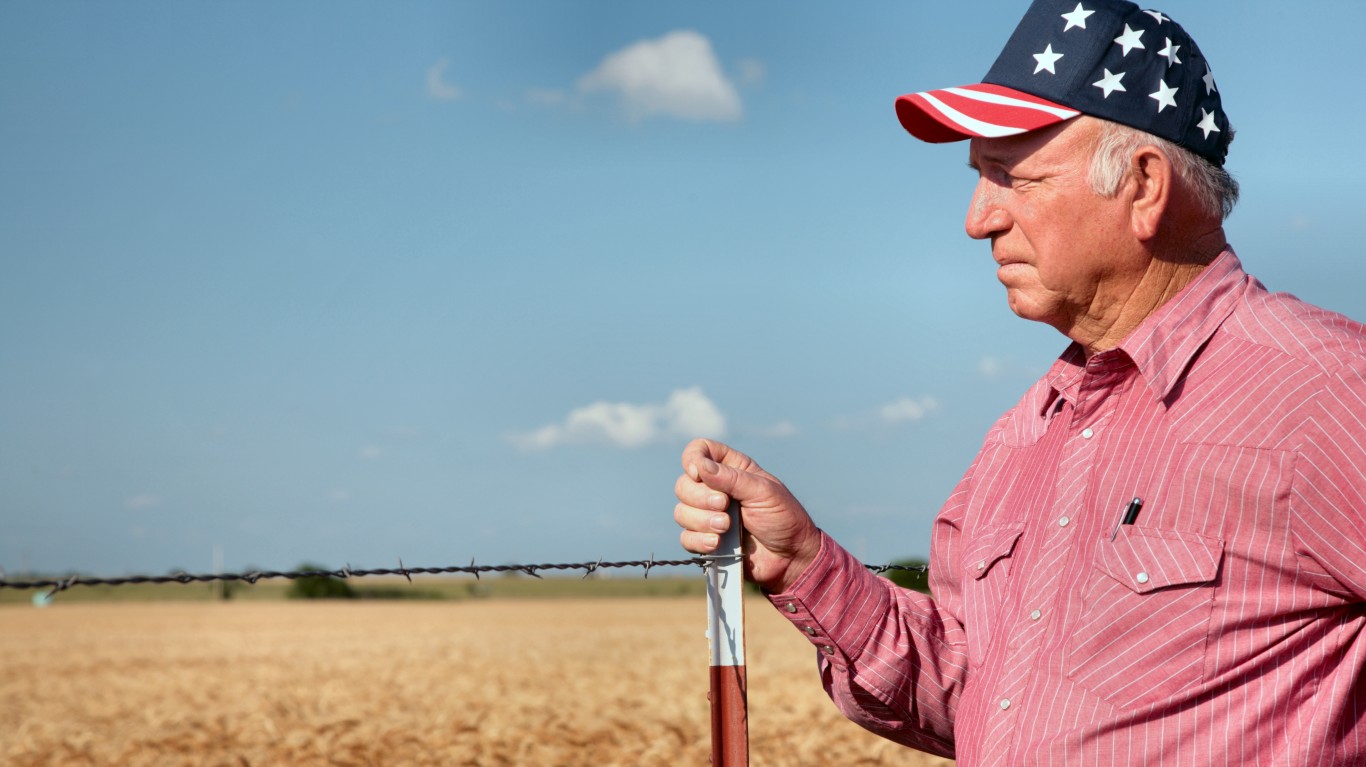
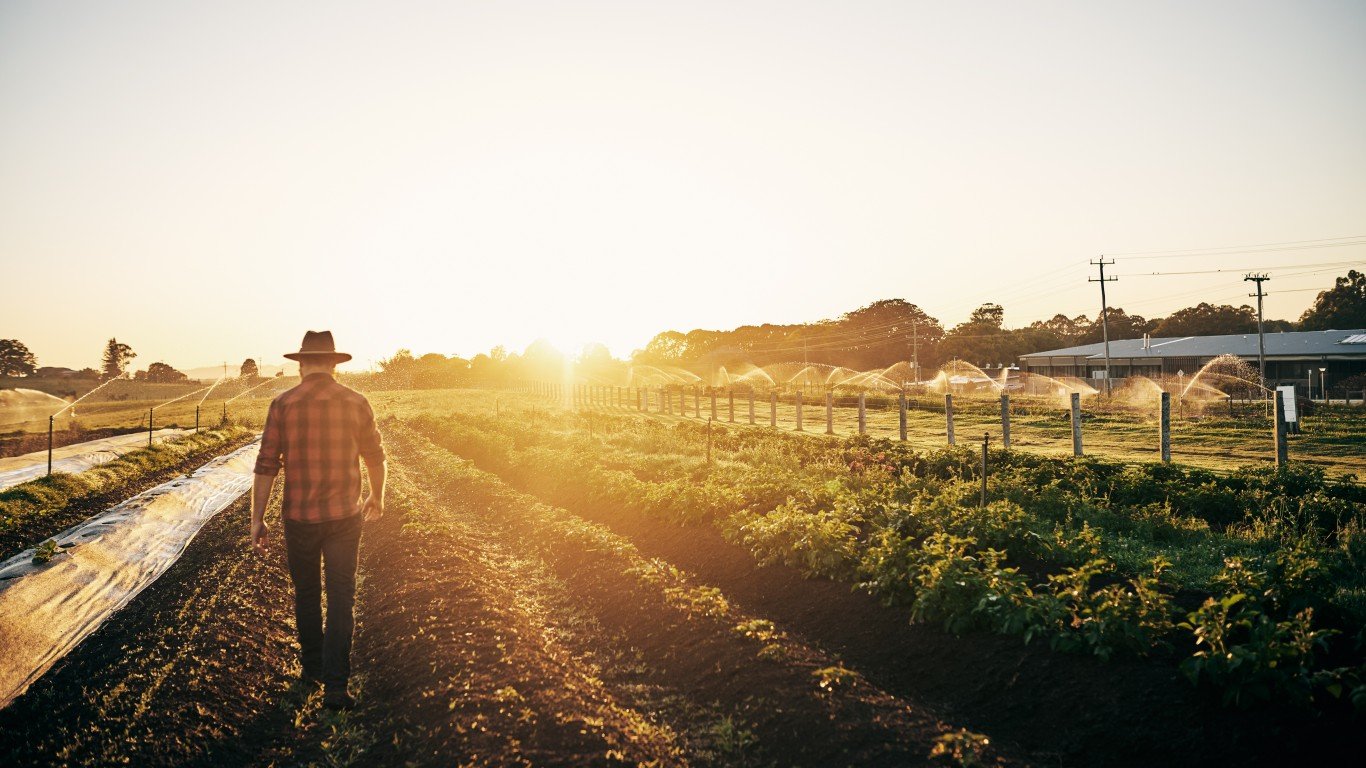
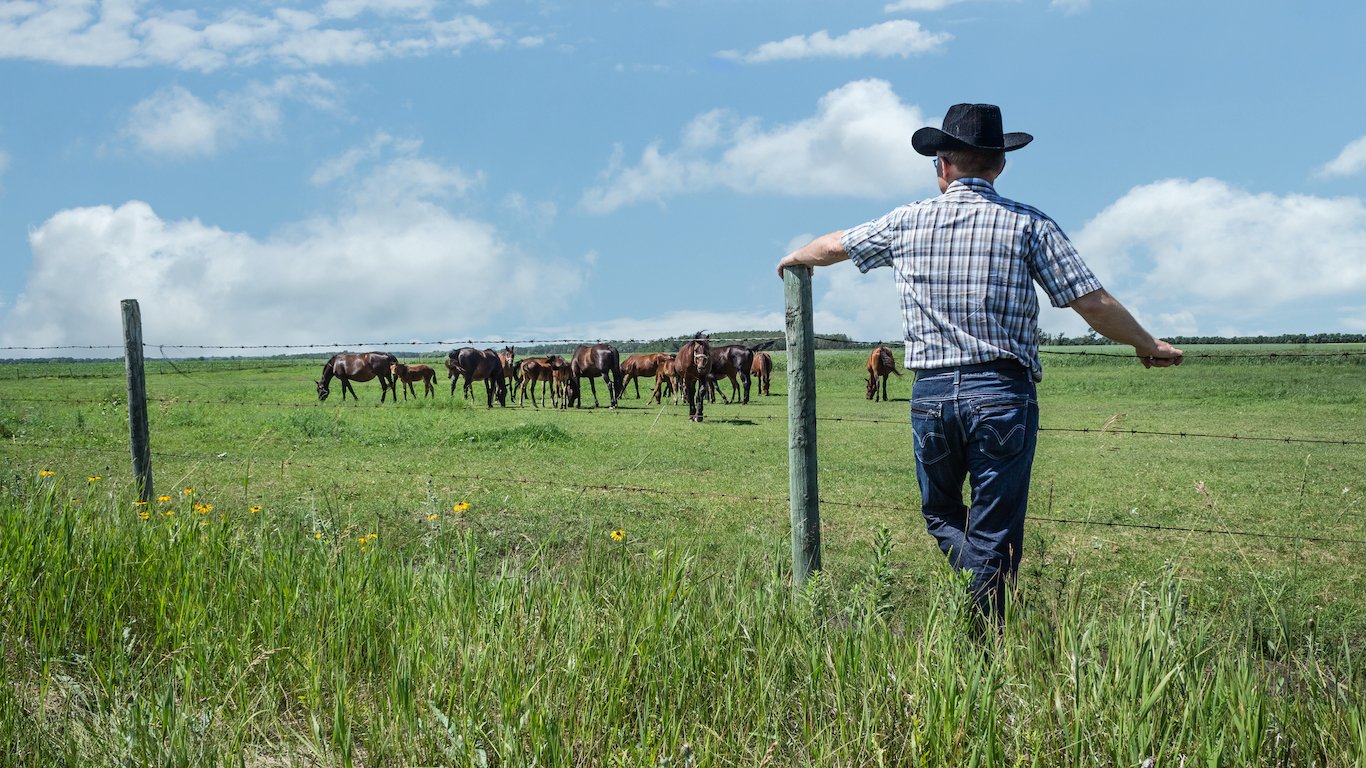
Picture a farmer in his mid-60s who filed for Social Security, handed the keys to a younger tenant, and figured the monthly checks were just rent. He still drives the section line once a week. He tells the tenant to stick with corn on the north quarter, weighs in on seed variety, and approves the fertilizer plan. He handed over the keys. He did not quite hand over the farm. In his mind, he retired. In the eyes of the IRS and the Social Security Administration, he may still be farming.
More than 2 million U.S. landowners rented out 348 million acres in 2024, according to the latest data available from the Department of Agriculture. The average non-farming landlord was 69.2 years old. That leaves plenty of retired farmers collecting rent while remaining close enough to the operation to influence what happens next.
Material Participation Is the Line That Matters
Farm rental income occupies an unusual corner of the tax code. Fixed cash rent received under an arrangement in which the owner provides no services and stays out of production decisions is generally reported as rental income. It is not ordinarily subject to self-employment tax or counted under Social Security’s retirement earnings test. The result can change when the rental agreement calls for the owner to participate in production or management and the owner actually does so. In that case, farm rental income, whether paid in cash or crop shares, may become net earnings from self-employment.
The IRS looks at the entire arrangement. Its guidelines consider whether the landlord regularly makes important management decisions, contributes labor, pays production expenses, supplies equipment, advises the tenant, or periodically inspects production. Working at least 100 hours over five or more weeks is another path toward material participation. Telling the tenant once to plant corn on the north quarter may not, by itself, establish material participation. Regularly choosing crops, approving seed and fertilizer, inspecting fields, and sharing management decisions is a different matter.
Once the income becomes self-employment earnings, two things happen:
- It may become subject to Social Security and Medicare self-employment taxes.
- For someone collecting Social Security before full retirement age (FRA), the net earnings may count under the retirement earnings test.
Same acres, same tenant, same rent check. The owner’s continued involvement changes the tax treatment.
Why the Earnings Test Bites Before Age 67
The stakes are highest for farmers who claimed Social Security early. For someone born in 1960 or later, filing at 62 can reduce the monthly benefit by as much as 30% compared with waiting until the FRA 67. In 2026, Social Security withholds $1 in benefits for every $2 of wages or net self-employment income above $24,480 for someone who remains below full retirement age all year. A higher limit and a $1-for-$3 formula apply during the year full retirement age is reached.
The withheld benefits are not simply forfeited. At full retirement age, Social Security recalculates the monthly benefit to account for months when checks were withheld. That produces a larger payment going forward, though it does not replace the missing cash when the farmer expected to receive it. Beginning with the month he reaches FRA, the earnings test disappears. He can earn any amount without benefit withholding. Self-employment tax can still apply to materially participating farm income, but the Social Security checks no longer stop because of it.
What to Sort Out Before Planting Season
Two questions deserve answers before the seed order goes in:
- Decide what kind of landlord you intend to be. If the goal is rental treatment, the written agreement should leave production decisions with the tenant, and the owner’s actual behavior should match it. A lease saying one thing while the landlord runs the operation from the pickup will not help much.
- Check your age and claiming status. A landlord already at full retirement age does not face the earnings test. Someone between 62 and 66 who is collecting benefits may see checks withheld if the rental arrangement produces net self-employment earnings.
The lease alone does not decide the outcome, and neither does the word “rent” written on a check. Social Security and the IRS look at what the owner actually does. The costliest mistake is claiming early under the assumption that farm rent will never count, then continuing to make the decisions that keep the operation running. A tax professional who understands agricultural leases can review the arrangement before the next crop year. The farmer may be retired. His weekly drive down the section line may tell a different story.
Contact [email protected] for any questions or corrections.
Gerelyn Terzo is the author of dividend investing handbook "Dividend Investing Strategies: How to Have Your Cake & Eat It Too." A veteran financial journalist, she covers agri-finance for outlets like Global AgInvesting and the broader stock market and personal finance for 24/7 Wall Street. She began at CNBC and later helped launch Fox Business in New York. Gerelyn currently resides in Woodland Park, Colorado and dabbles in nature photography as a hobby.