Medicaid Said Her Last $14,000 Had to Go to the Nursing Home First. She Spent It the Same Week on a Crypt and Two Burial Spaces for Her Kids, and the State Couldn’t Touch a Dollar
When Medicaid gave her a spend-down deadline, she found a legal move most families never consider, and the state had no claim on a single dollar of what she spent.

This post may contain links from our sponsors and affiliates, and Flywheel Publishing may receive compensation for actions taken through them.

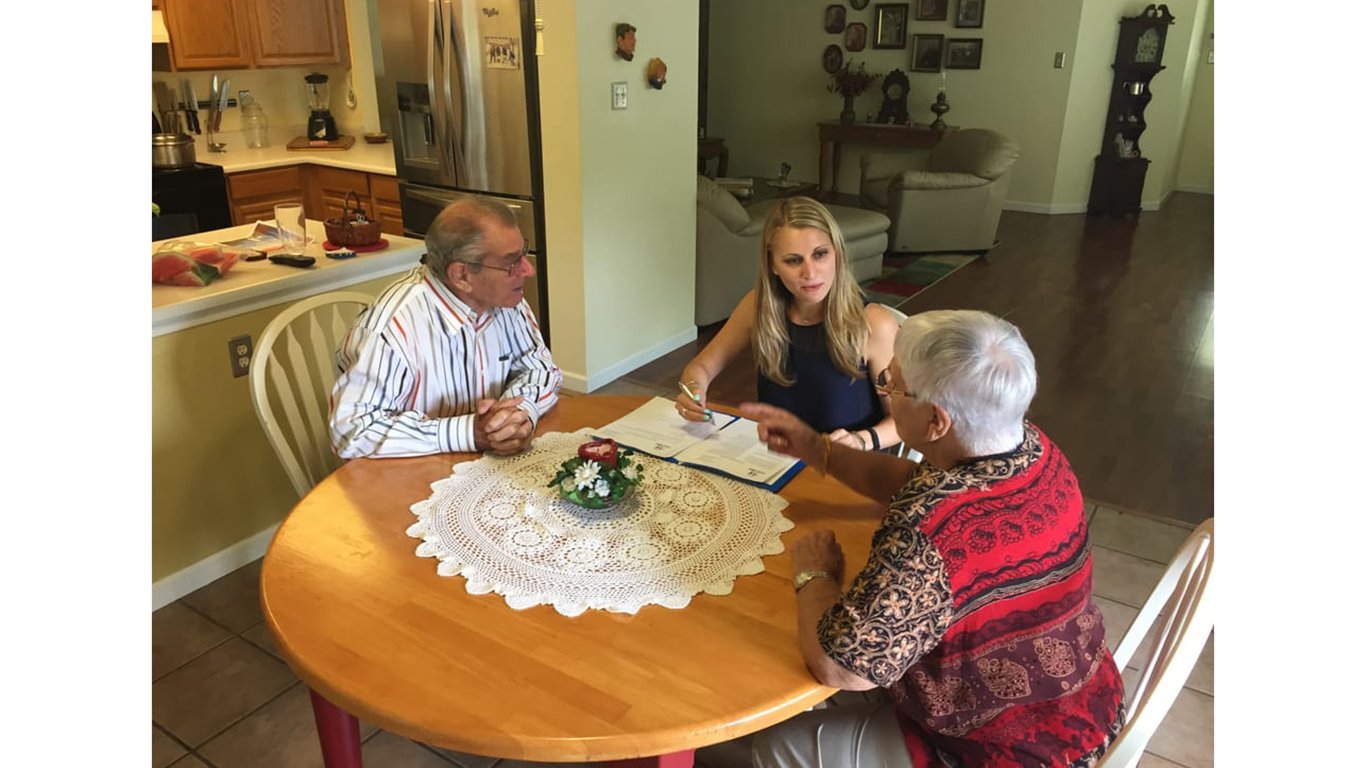
The caseworker’s letter was polite and blunt: her last $14,000 of countable savings had to come down before Medicaid would start paying for her nursing home. Most families read that as an instruction to write the check to the facility. She read it as a deadline. That same week she bought a mausoleum crypt for herself and burial spaces for her two children, and her countable savings fell below the line, with none of that money going toward the nursing home bill.
Families often face this question: once a parent enters a nursing home, what happens to their Social Security income? The answer explains why that last $14,000 deserves careful thought.
Why a Crypt Counts Differently Than a Savings Account
Medicaid’s nursing home asset rules in many states closely track Supplemental Security Income (SSI), the federal cash program for low-income seniors. Many states cap a single applicant’s countable assets at $2,000, and that cap is what forces the spend-down.
Social Security’s operating manual excludes burial spaces. That means spaces held for you, your spouse, or immediate family regardless of value. This covers plots, crypts, mausoleums, caskets, urns, niches, tombstones, vaults, and opening and closing costs. Immediate family includes parents, children of any age, siblings, and their spouses.
A $14,000 savings account can count against the limit, while qualifying burial spaces may not count at all. The five-year look-back targets assets given away or transferred for less than fair value. Buying an excluded burial space at a fair price is not the same as giving the money away.
Burial Spaces and Burial Funds Are Two Separate Buckets
Burial funds and burial spaces are separate. You and your spouse can each set aside only $1,500 in a burial fund, and that shrinks if you own certain life insurance or irrevocable funeral arrangements. A savings account labeled “funeral money” holding $8,000 still counts above that limit. Only the physical spaces and items get unlimited treatment.
A few details decide whether the exclusion holds up:
- Ownership: The space must be titled or under a paid contract giving current rights to it. Installment payments made before the balance is paid off may be treated as burial funds instead.
- One per purpose: Only one item per purpose per person qualifies. A cemetery lot and casket for the same person both qualify; a casket and urn do not.
- Paid status: The important question is whether she already owns the burial space or has a current right to use it. An installment contract that has not been fully paid may still be treated as burial funds instead.
- State rules: States handle documentation differently. Ask the caseworker which deeds, receipts, or contracts they require before you buy.
Where Her Social Security Check Goes Next
Once Medicaid covers her care, nearly all of her monthly benefit goes to the nursing home. She keeps a small personal needs allowance, with the federal minimum at just $30 a month.
Once Medicaid starts paying, there usually is not much monthly income left to rebuild burial savings. Even when Social Security rises, most of that increase generally goes toward her cost of care. Social Security’s lump-sum death payment is a mere $255, and even that is available only to certain surviving spouses or children. Without money already set aside, her family could be left covering much of the burial cost themselves.
What to Settle Before the Spend-Down Deadline
The hardest step to reverse is spending first and planning second. Before writing any check, list your family’s needs. This means a plot, crypt, headstone, opening and closing costs, and you should confirm with the caseworker how each will be documented.
Give more weight to what the paperwork says than to the price. It should show that she owns or has a current right to the burial space and identify the family member it is meant for. The same attention to ownership and beneficiaries shows up across estate planning, which is why the full checklist appears in a free guide here.
Her $14,000 did not simply disappear into the nursing-home bill. If her state’s rules recognize the burial-space exclusion, it went toward something her family would eventually need anyway. Because the details vary by state, checking with the caseworker or an elder law attorney before buying can protect the whole plan.
Contact [email protected] for any questions or corrections.
Gerelyn Terzo is the author of dividend investing handbook "Dividend Investing Strategies: How to Have Your Cake & Eat It Too." A veteran financial journalist, she covers agri-finance for outlets like Global AgInvesting and the broader stock market and personal finance for 24/7 Wall Street. She began at CNBC and later helped launch Fox Business in New York. Gerelyn currently resides in Woodland Park, Colorado and dabbles in nature photography as a hobby.