What People Should Know About Calories, Nutrition, and Energy Balance
Denira777 / Getty Images 11. Foods may have the same number of calories but offer different nutrients The body needs each macronutrient — carbohydrates, fats, and protein — for optimal health. “The most important thing is to eat the best…


Most people have some history with calorie counting. Some do it to lose extra pounds, others track them to gain weight. Calories — depending on whether they come from carbs, fat, or protein — are sometimes seen as the enemy. But they shouldn’t be.
Technically speaking, a calorie is a unit that measures energy. Not that we mean to scare you, but in nutrition, what we refer to as a single calorie is actually a kilocalorie, or 1,000 calories. Numbers usually make most matters simple, but not when it comes to food. How much energy you consume from eating means next to nothing if you don’t pay attention to the other nutrients in the food.
“Foods that are higher in calories but also rich in other healthy nutrients are better for you than low-calorie foods that have nothing but sugar,” Lorraine Kearney, a registered nutrition and dietetics technician and founder of Lorraine Kearney Nutrition, said.
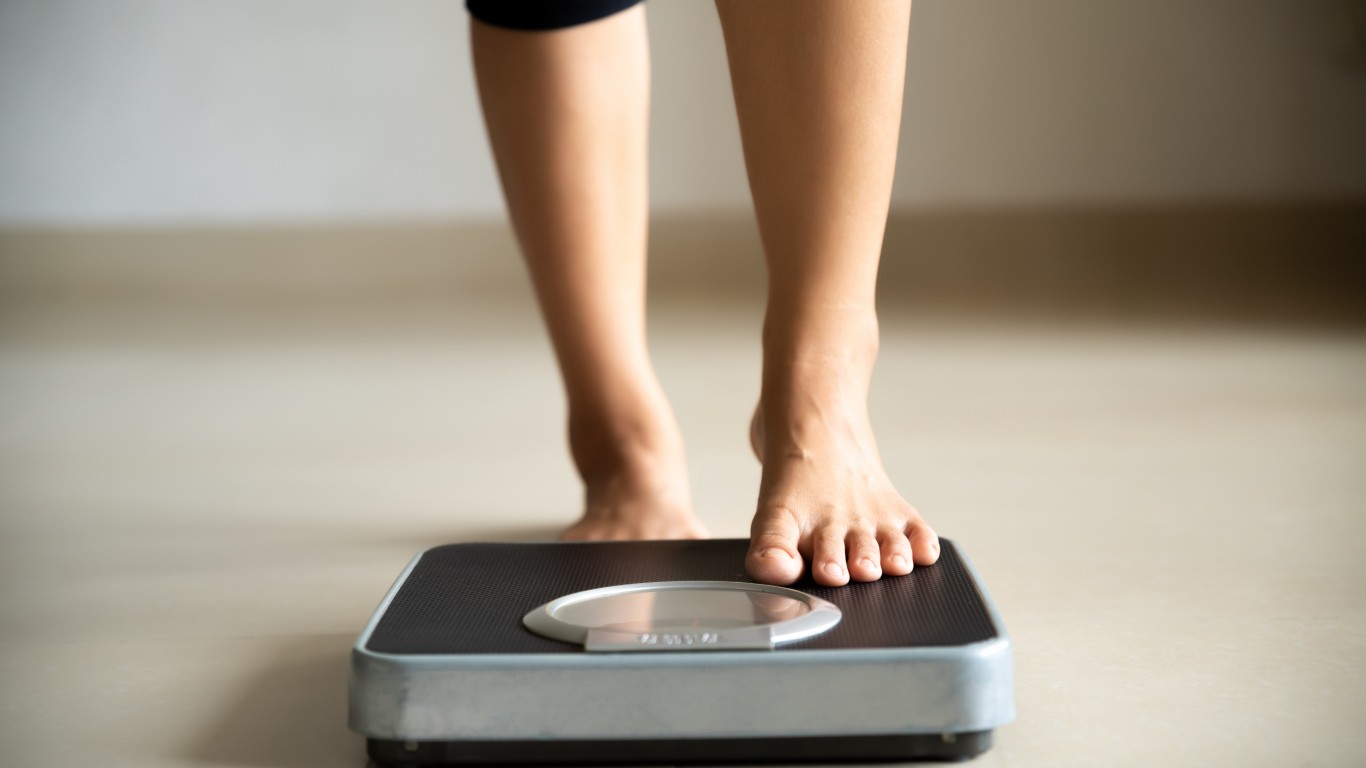
The process of burning calories is, unfortunately, not simple either. The basic fact that is true in all cases is that to need a calorie deficit — you have to burn more calories than you consume in a day. (These are 28 weight loss myths that pack on pounds.)
But the factors that play a key role into how exactly this is achieved vary from person to person. This is why many people who think they are doing everything right to get in shape or simply lead a healthier lifestyle are disappointed when they don’t see any improvement.
To compile a list of myths and facts about calories people should know, 24/7 Tempo consulted several healthy eating experts such as registered and certified nutritionists as well as diabetics technicians.
Click here to read about 17 things nutritionists want you to know about calories

1. More calories doesn’t mean more stamina
A calorie is a unit of energy, but eating many calories doesn’t necessarily makes us more energetic. In fact, “People sometimes say that when they eat less they have more energy,” Michele Jacobson, a certified nutritionist at Michele Jacobson Nutrition. This may be because the body expends less on digestion. “However, it is important to eat quality food from all the food groups, in order to be healthy, have the energy you need and function optimally.”

2. One size does not fit all
Guidelines about how many calories people need are vague. “Like overall nutrition needs, individual calorie needs are very specific to the person,” Amy Gorin, MS, RDN, owner of Amy Gorin Nutrition in the New York City area, said. How many calories you need in a day depends on so many things, including your age, gender, activity level, and weight goals, she noted.
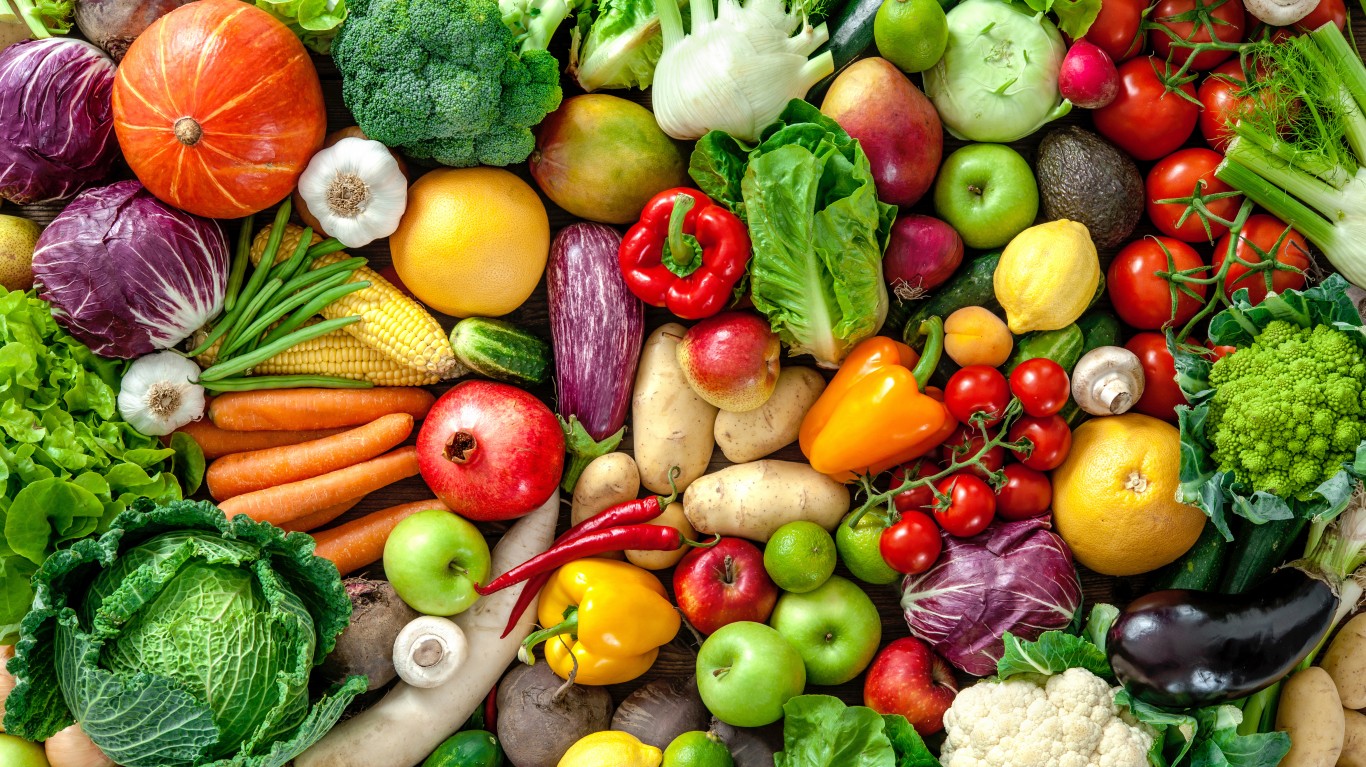
3. The best source of calories are plant-based foods
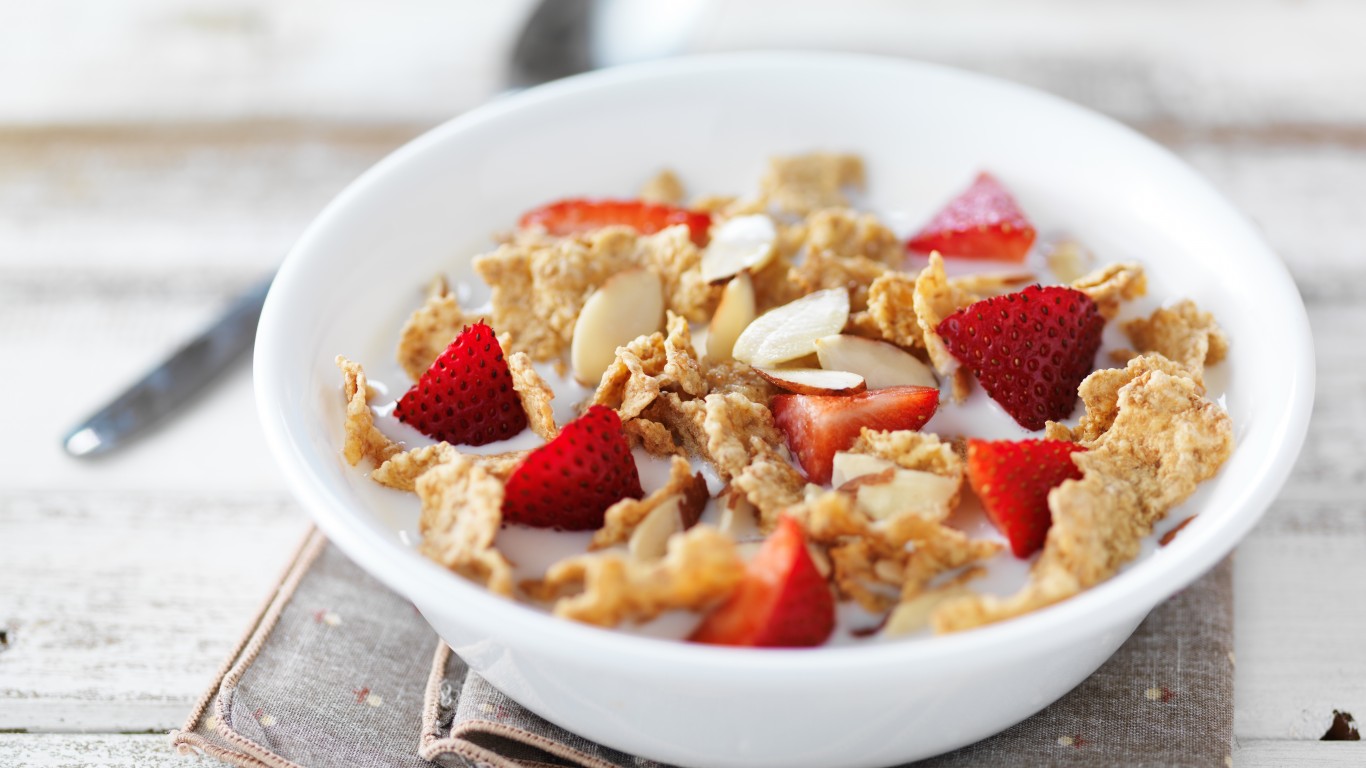
“People don’t look at the nutritional profile of the foods they are eating,” Kearney said. You can eat a decent-sized breakfast that is 500 calories, but if the foods were not a great source of nutrients and are processed quickly, you’ll be hungry in no time and likely to eat another 500 calories soon, she explained. “You really should be looking for plant-based food because they are low in calories but high in nutrients that give the body what it needs.”
4. Counting calories is not sustainable
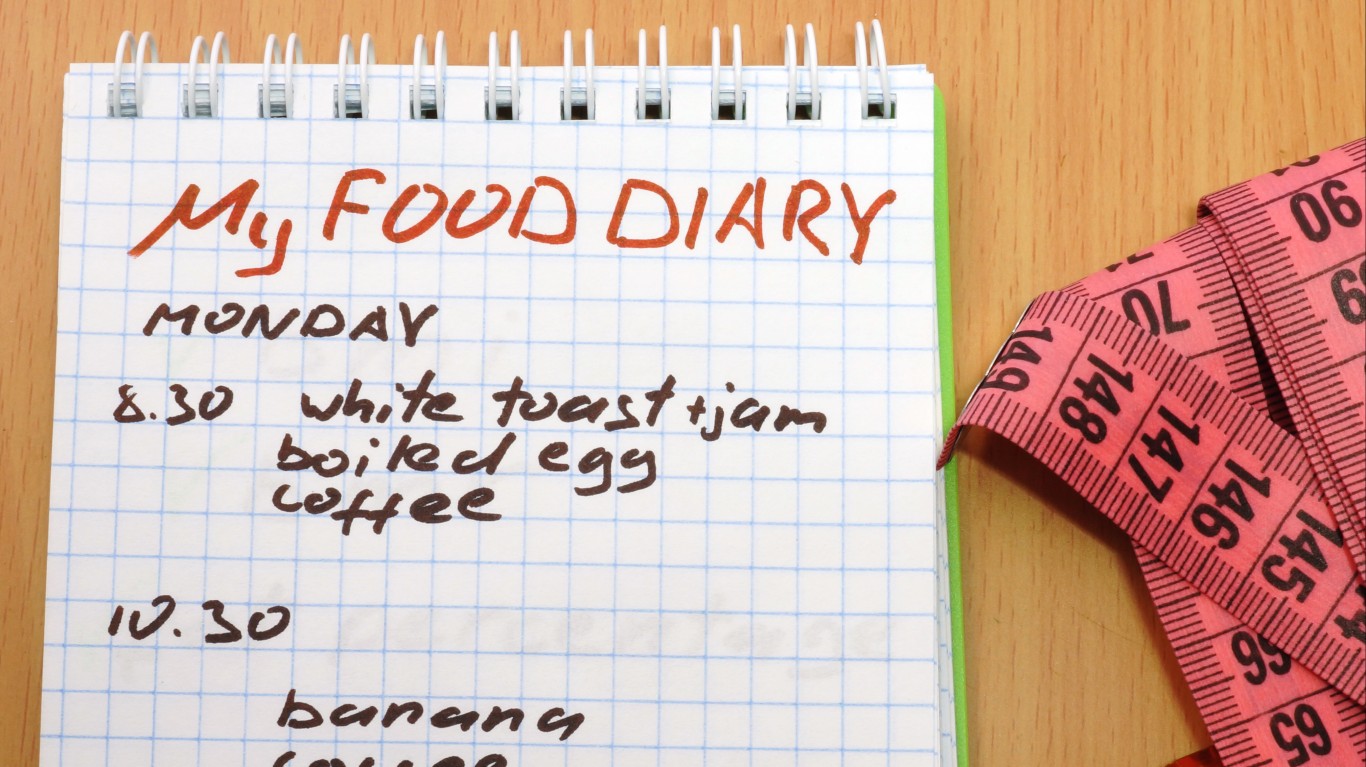
Jacobson said she did not believe that calorie-counting was a positive way to monitor one’s eating. “This is not a sustainable way to live,” she added. Constantly checking the calories, keeping a diary, calculating the numbers, having to decide a few times a day if you should eat something or not — it’s exhausting. “And furthermore, [it] tells nothing about the quality of the food you are eating.”
Eating a balanced diet with plenty of plant-based foods automatically takes care of the problem, Kearney added. “These foods are naturally low in calories, so you don’t have to worry about counting them or restricting yourself so much.”

5. Calorie-counting apps are not ideal
These apps don’t focus on vitamin and mineral content, so in a way their information is deceiving, Kearney noted. “You may be getting the right amount of calories according to the app but still not feel your best because you’re not getting the nutrition you need.” You need fiber, lean protein, and healthy fats to keep you full and healthy, not just a certain amount of calories.
6. The source of the calories is more important than the amount
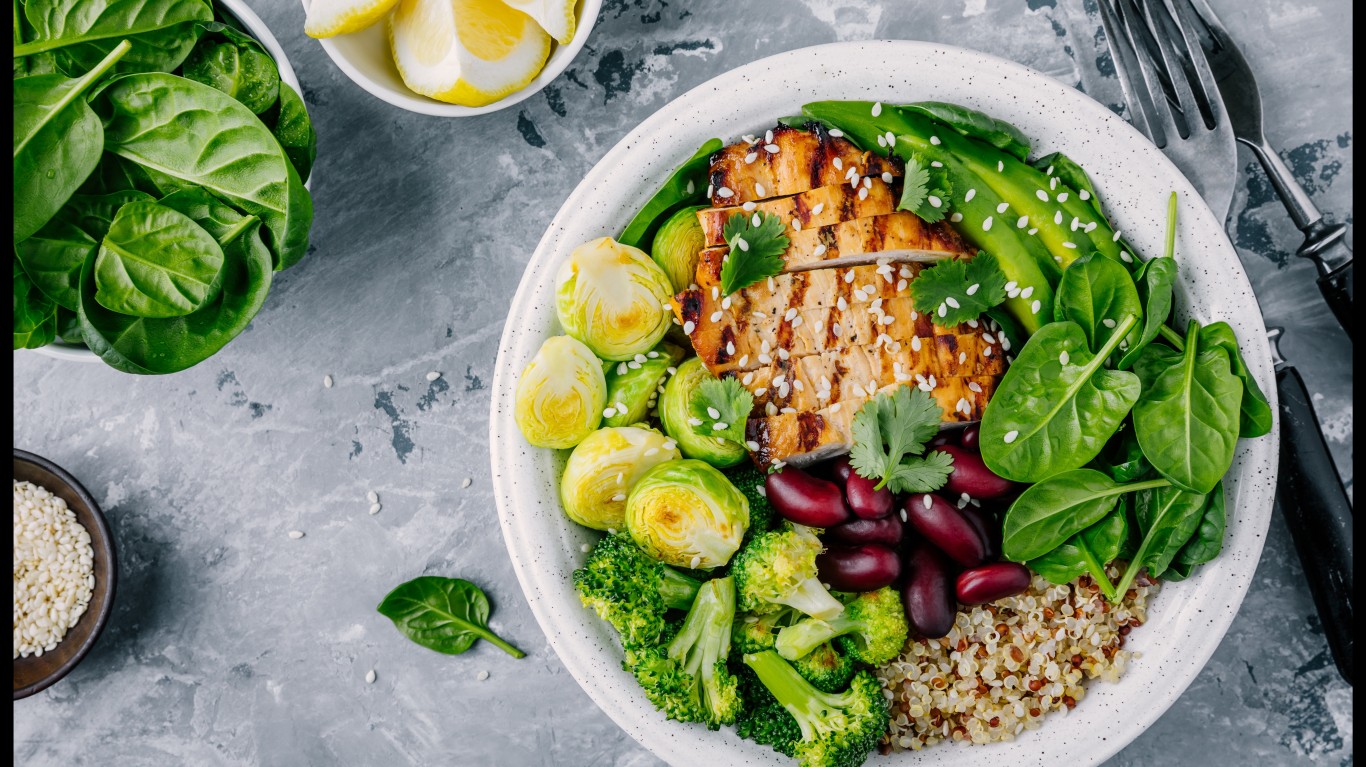
It matters where the calories come from. This, Jacobson says, is the most important thing people should remember about calories. “The range of nutrients you get in your diet is also of the utmost importance.” Not just the macronutrients — fats, carbohydrates, and protein — but micronutrients such as vitamins and minerals, too, are crucial for the body’s optimal functioning.
7. Focusing on metabolism may not be a good idea
Trying all kinds of foods and methods with the sole purpose of possibly speeding up your metabolic rate can have a boomerang effect, Jacobson explained. An individual needs to eat his or her healthiest diet and maintain an active lifestyle; the rest will follow naturally. “It is about being [healthy], not thin,” she added.

8. There is no need to obsess over metabolism
Lean mass is associated with a higher metabolic rate, according to Jacobson. In other words, two people can weigh the same; however, the one with more body fat will burn calories more slowly, she noted. There are several ways you can boost your metabolism — such as building muscle — but the change will be very small, according to the National Institutes of Health.

9. Strength training or cardio to burn more calories?
“Weight-bearing exercise burns calories, but cardio is best,” Jacobson said. A person who weighs 155 pounds will burn 112 calories in 30 minutes if he or she lifts weights, according to Harvard Medical School. The same person will burn almost 300 calories if he or she runs for half an hour at 5 mph. So, by session, cardio burns more calories than weightlifting. To avoid bulking up, simply do more reps per set, at a lower weight, Jacobson noted.

10. Elaborate coffee drinks contain many calories
Many people forget about calories in liquids and focus only on food. But there are many “offenders” on the market. “I actually hate to see people downing coffee drinks every day, or a few times a day,” Jacobson said. “These jumbo-sized cups are full of simple sugar syrups and high fat creamers.” A simple cup of coffee is OK, she noted. Any sugary drinks, even fruit juices, contain significant amounts of calories. And don’t forget alcoholic drinks, which also contain more calories than many people may realize.
11. Foods may have the same number of calories but offer different nutrients
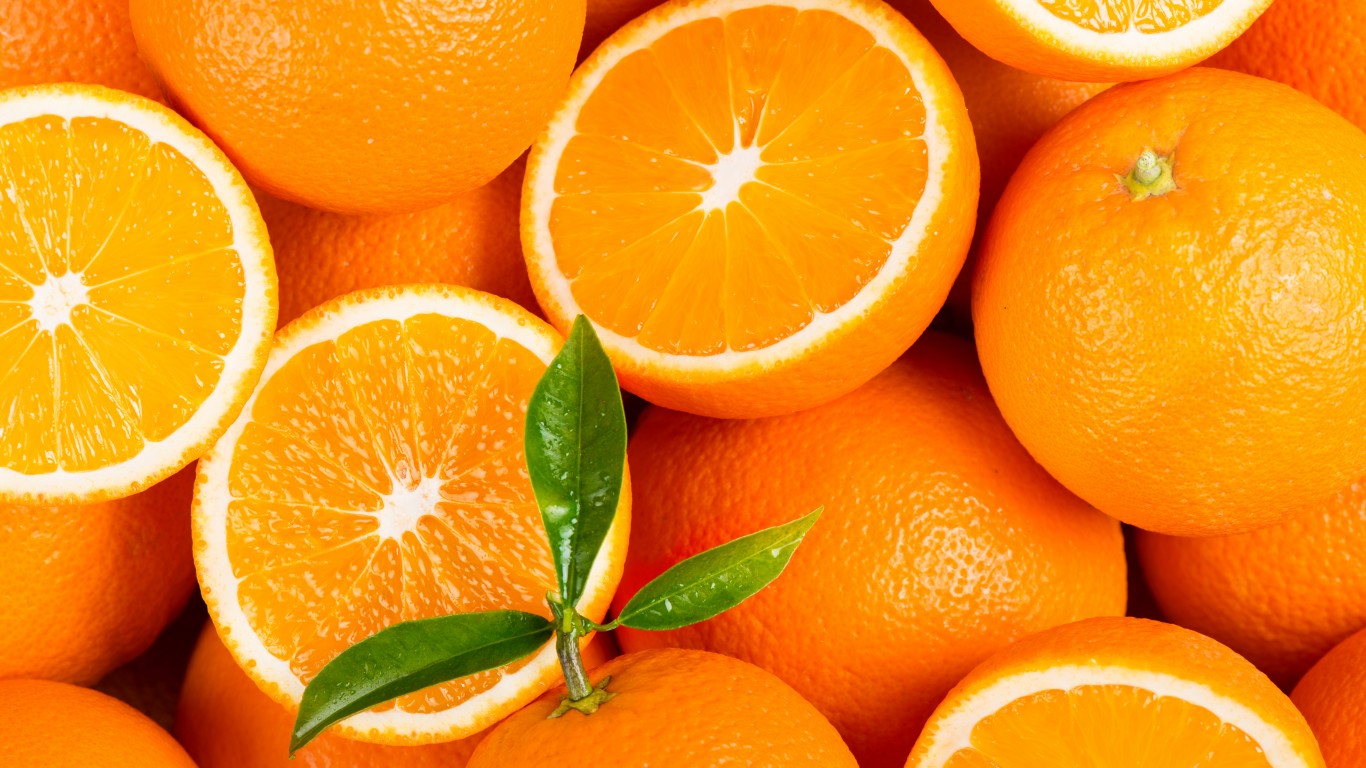
The body needs each macronutrient — carbohydrates, fats, and protein — for optimal health. “The most important thing is to eat the best quality,” Jacobson said. For example, a can of soda is full of carbs in the form of simple (and usually processed) sugar. “That’s not good.” An orange — not orange juice — is also high in carbs, but you will also get fiber, vitamins, and minerals, she noted. “So, you can eat two foods with comparable carbohydrate counts, but the benefit is different,” she added.

12. Zero-calories does not mean healthy at all
“[Zero-calorie drinks] are the worst,” Jacobson said. Diet soda is linked to a possible host of issues, including increased calorie intake overall, dementia, kidney problems, and type 2 diabetes. It can also disrupt your gut bacteria, she noted. Some research has shown that artificial sweeteners may induce sugar cravings, alter metabolism, and lead to obesity. This is why diet soda could be killing you in at least 10 ways.
13. 500-calorie deficit a day is OK, but the reality is more complex
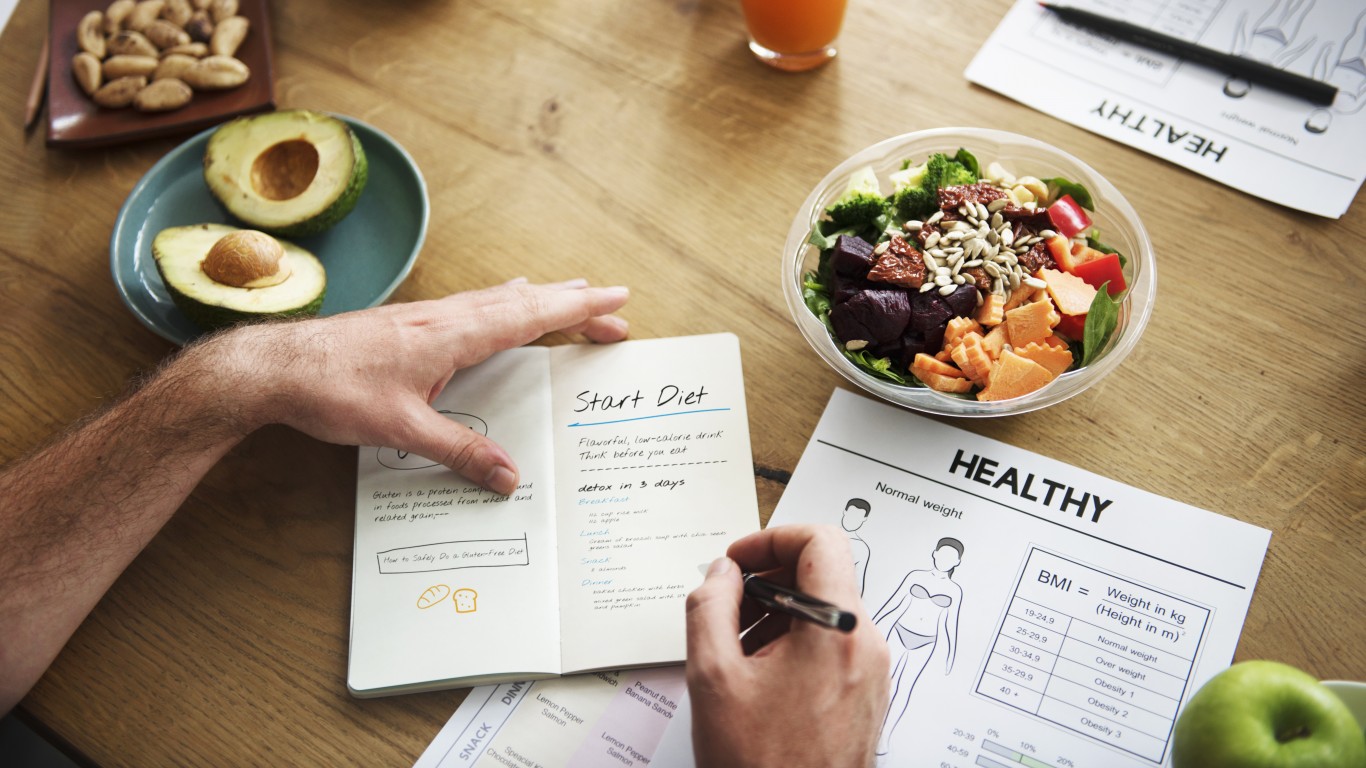
There are 3,500 calories in a pound of fat. Theoretically, if you were to create a daily calorie deficit of 500 calories a day — whether from cutting calories or from exercising or both — that would equate to a pound over the course of a week. “But it’s not usually that simple because the human body is very complex,” Gorin said. Speed of weight loss depends on factors such as metabolism, how much lean muscle you have, how much water weight you’re carrying, and more.

14. You need muscle to burn calories
“Gaining muscle is a fantastic way to enable your body to burn more calories,” Gorin said. Increasing muscle tissue can be great for weight loss because muscle burns more calories than fat. This is especially important as you get older because you lose muscle as you age — about 10% each decade after age 45, according to Gorin.
15. Be especially wary of some drinks
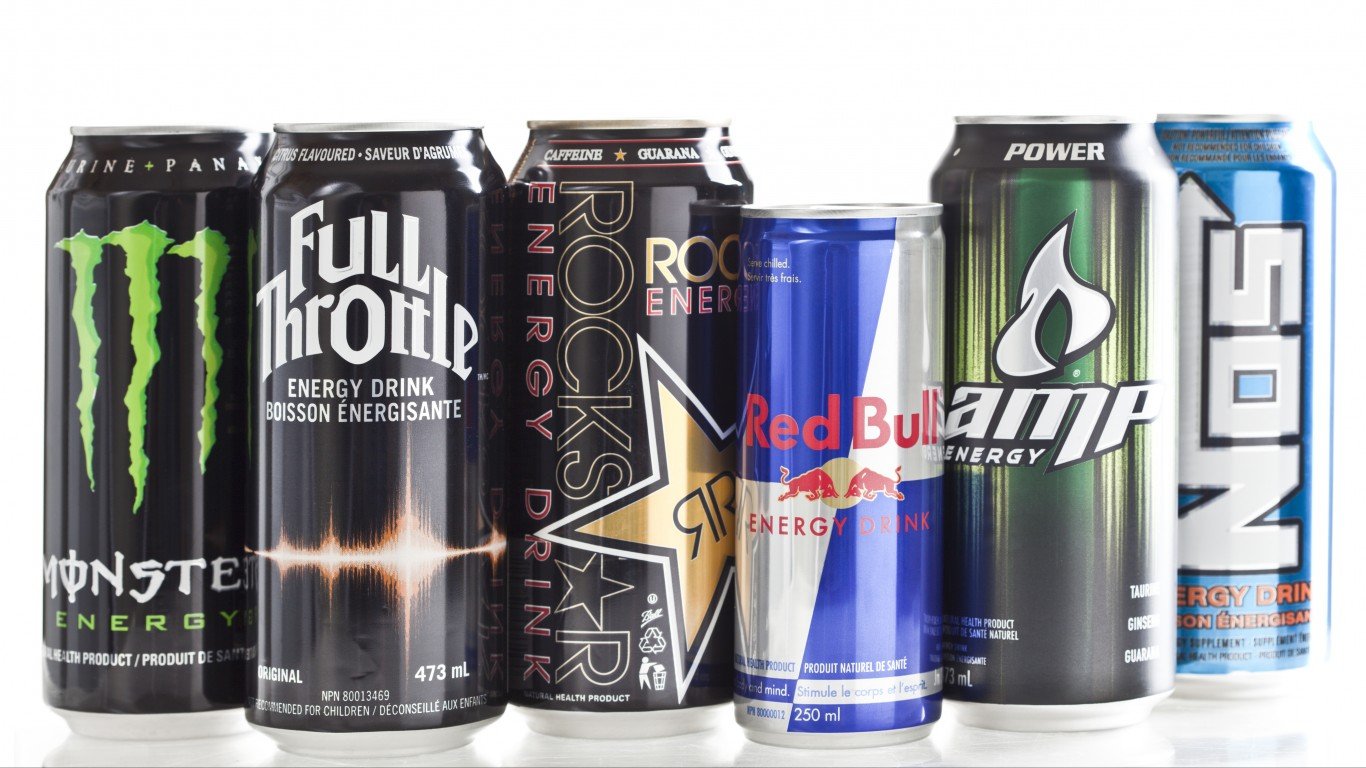
Different drinks range widely on how nutritious they are, Gorin noted. “What you want to keep at a minimum are beverages like sugar-sweetened soda, sugary energy drinks, and coffee drinks with lots of sweeteners.” There are some ways to make these healthier. For instance, you could blend up a frozen mochaccino as a breakfast smoothie, which tastes similar to a Starbucks Frappuccino but doesn’t contain any added sugar at all, Gorin added.
16. Low-calorie drink options are not better
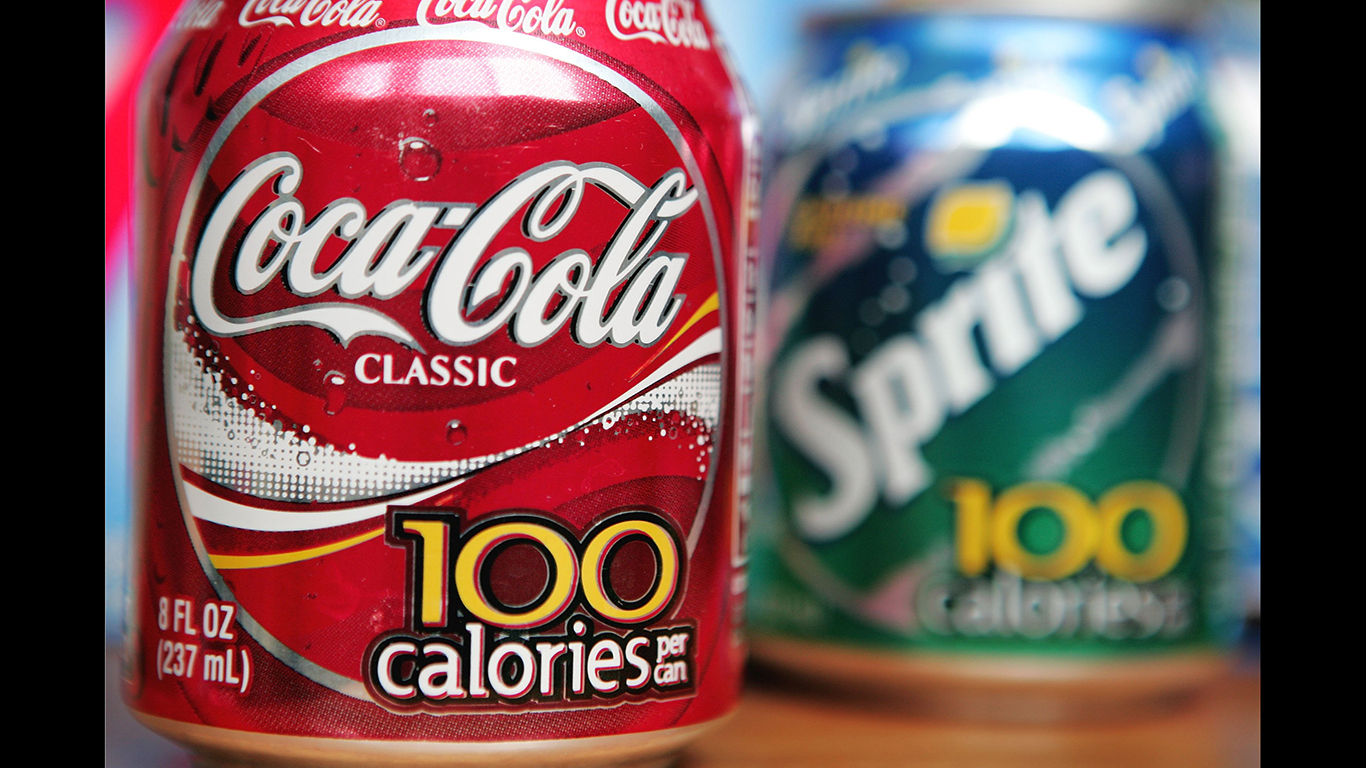
They may contain fewer calories than their original counterparts, but what they lack in calories they often make up for in artificial sweeteners, according to Kearney. “They have no natural flavor and could have [many] chemicals, which can cause inflammation,” she added. Those who consume these drinks can end up feeling bloated and craving sugar, Kearney explained.
17. The calories number on the ingredient label is not so important
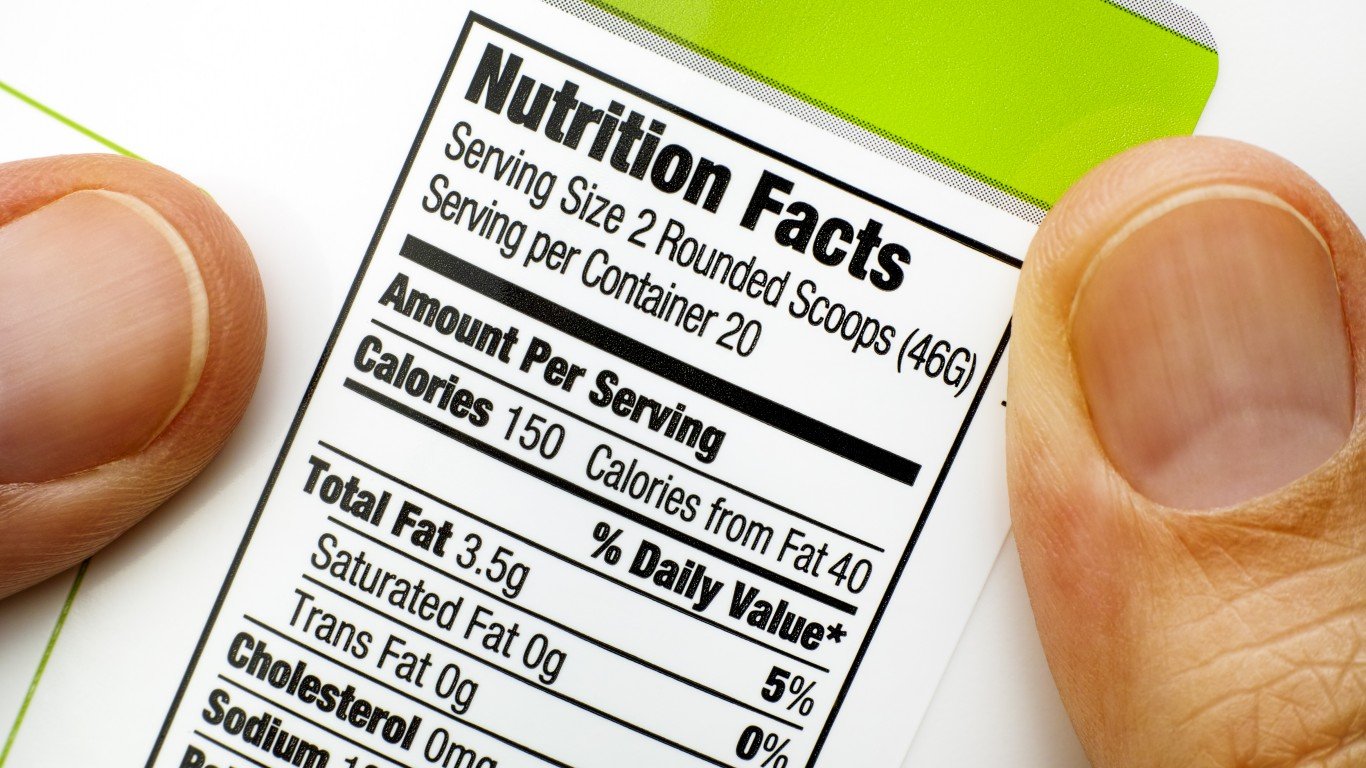
“Read the ingredient list first,” Kearney said. If there is anything on that list you don’t know what it is or what it means, you should probably leave the product in the store, she noted. After the ingredient list, look at the sugar, sodium, and fat content. “Fat should not be more than 10% of your daily calorie intake,” Kearney said. Make sure the product contains no trans fats, which raise cholesterol levels and increase the risk of developing diabetes and heart problems, according to the American Heart Association. This is just one of 28 dangerous things experts link to heart disease.
Contact [email protected] for any questions or corrections.
Hristina Byrnes is the editor of 247Tempo.com, where she handles the site's assignments and editing. She holds a master's degree in journalism from Columbia University, which she earned in 2012, and she specializes in translating complex health data research into engaging, accessible stories for a general audience.
When she's not poring over the latest data sets or brainstorming story ideas, you can find Hristina watching tennis, playing tennis with her son, or trying to get her daughter into tennis.