Is Bitcoin’s Dominance Slipping as Altcoins Gain Steam?
Bitcoin’s (CRYPTO: BTC) dominance sits around 60% as November trading turns choppy. Prices have dropped below $100,000, pushing the broader crypto market lower and shifting attention toward emerging altcoins that are holding up better. Bitcoin’s pullback has investors asking: Can…

This post may contain links from our sponsors and affiliates, and Flywheel Publishing may receive compensation for actions taken through them.

Bitcoin’s (CRYPTO: BTC) dominance sits around 60% as November trading turns choppy. Prices have dropped below $100,000, pushing the broader crypto market lower and shifting attention toward emerging altcoins that are holding up better.
Bitcoin’s pullback has investors asking: Can it maintain market leadership, or are altcoins ready to take over?
Bitcoin’s Three-Month Price Performance
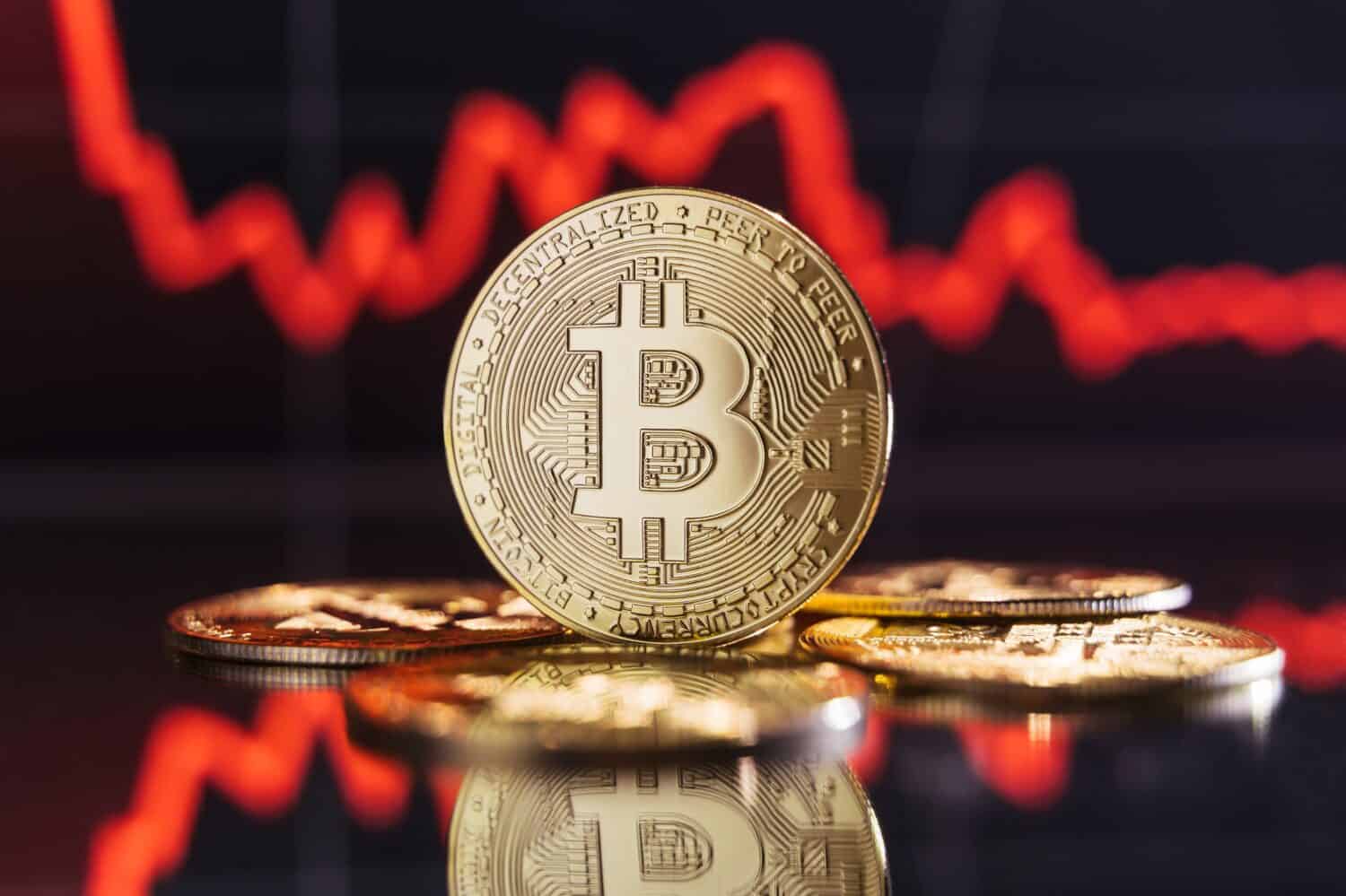
Bitcoin hit $126,000 three months ago. Since then, it’s been mostly downhill. The price crashed to about $106,000 after the crypto flash crash in early October, bounced back to $110,000-$115,000 by late October, then fell again. BTC now trades at $103,000 as of early Novermber.
The numbers tell the story: Bitcoin has dropped 16% in 30 days. Q4 momentum is gone as brief rallies get sold. Long-term holders are still up 49% over 12 months, but recent weakness has traders worried.
What’s Driving Bitcoin’s Market Position
Bitcoin’s market position keeps shifting. Price swings, liquidity moves, and investor mood all play a role. It’s still the biggest cryptocurrency, but its market share keeps shrinking. Here’s why:
1. Consecutive Price Drops
The main problem: Bitcoin can’t stop falling. After peaking around $126,000, it tumbled below $100,000. Each drop weakens confidence and pushes traders toward other assets. Traders are taking profits early or rotating into digital assets with stronger short-term charts. Lower highs and fresh selling waves have choked off new money. Capital is spreading out across the broader crypto market.
2. Regulatory Pressure and Tariff Uncertainty
Regulation and trade wars are hitting Bitcoin hard. Worries about Trump administration tariffs spooked risk markets, triggering sell-offs in stocks, commodities, and crypto. Bitcoin, despite being called digital gold, got caught in the downdraft.
Stricter rules in the U.S. and European Union aren’t helping. Compliance demands and ETF approval delays have made institutional investors cautious. Big money flows have dried up. Profit-taking picked up after the flash crash. Tariff fears and regulatory uncertainty have dented Bitcoin’s appeal as traders moved to stablecoins or hedged with other assets.
3. Rise of Altcoins
Altcoins are eating into Bitcoin’s dominance. Lately, alternative cryptocurrencies (especially those tied to DeFi, AI, and layer-2 projects) have attracted serious interest. These coins move quicker and offer bigger short-term gains, siphoning liquidity from Bitcoin.
As portfolios diversify, Bitcoin’s share of total crypto market value slides. More investors are branching out instead of sticking with Bitcoin. This ongoing shift has weakened its market position.
How Bitcoin Can Regain Market Dominance
Bitcoin has given up ground, but several trends could help it reclaim the top spot:
1. Renewed Institutional Confidence
Stronger institutional buying could flip the script. BlackRock’s ETF launch on the ASX and expanding spot ETFs worldwide signal institutional infrastructure is growing. If regulatory clarity arrives and the macro environment settles down, institutional money could pour back in, boosting Bitcoin’s liquidity and restoring its leadership.
2. Clearer Global Regulation
Potential U.S. crypto rules and Bitcoin’s classification as a CFTC commodity could deliver the stability investors want. Clear rules would cut uncertainty, pull capital back into Bitcoin, and separate it from altcoins. A stable regulatory setup would make Bitcoin the safest, most compliant digital asset, helping it win back market dominance.
Bitcoin Price Outlook for 2026
Here are the bullish, base, and bearish scenarios for Bitcoin heading into 2026.
Bullish Scenario
If institutional money flows back through spot ETFs, regulatory clarity improves, and Bitcoin gets recognized as a CFTC commodity, confidence could return fast. Fresh liquidity and stronger risk appetite could push Bitcoin to $120,000-$130,000, cementing its leadership and expanding its dominance.
Base Scenario
If markets stay mixed, with moderate institutional activity and cautious trading, Bitcoin will likely range between $100,000 and $115,000. This would reflect consolidation—neither bullish nor bearish—as investors wait for clearer signals from global economic and policy events.
Bearish Scenario
Bitcoin could slide further if regulatory uncertainty grows, geopolitical tensions heat up, or another sell-off hits. BTC could drop to the $90,000-$95,000 range, mirroring risk aversion and deeper market uncertainty.
The Bottom Line
Bitcoin’s recent performance shows a cooling period, not an extended downtrend. Volatility remains high, but Bitcoin’s institutional support, global adoption, and traditional finance integration ensure it remains at the heart of the digital assets market, regardless of short-term swings.
Contact [email protected] for any questions or corrections.
Sam Daodu is a crypto analyst and the editor of 24/7 Wall St.'s Crypto Desk, where he covers Bitcoin, XRP, Ethereum, Solana and the altcoins investors search for most. His work focuses on price levels, spot ETF flows, on-chain data and the regulatory decisions that move crypto markets, written so a first-time buyer and a seasoned trader can both use it.
Sam has written about crypto professionally since 2019 and has published more than 2,000 articles. Before joining 24/7 Wall St., he wrote for crypto media outlets and Web3 companies and ghostwrote for crypto founders and token launches. His analysis is syndicated on Yahoo Finance, MSN and AOL and has been cited by other crypto news sites. He also founded MacLabs Marketing, a content and personal branding agency for crypto founders and executives.
When he isn't reading charts, Sam is usually at the gym or watching One Piece, a series he maintains has better tokenomics than most altcoins.