Warren Buffett Stepping Down With 31% of Berkshire in Cash: His 3 Ultra Safest Stocks
These three longtime Warren Buffett favorite stock picks are likely to stay in the Berkshire Hathaway portfolio long after he steps down.

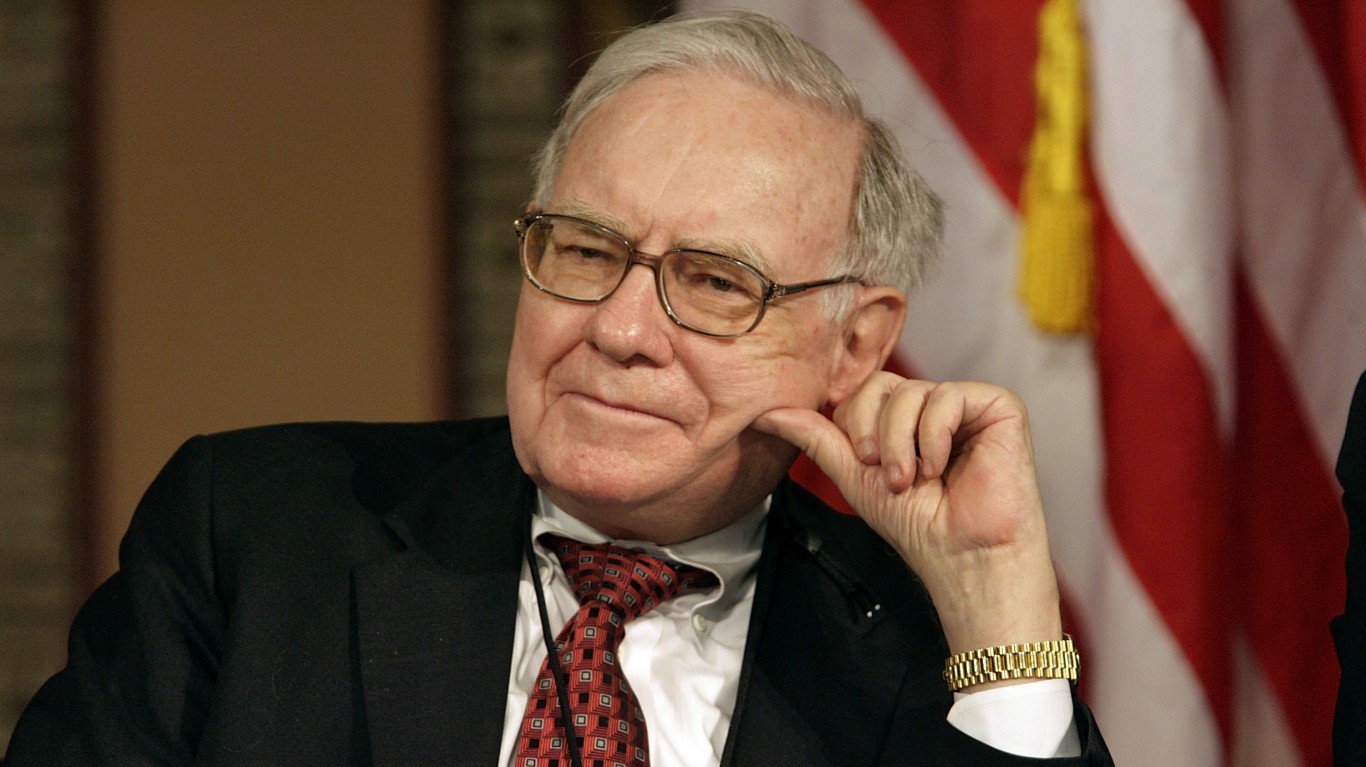
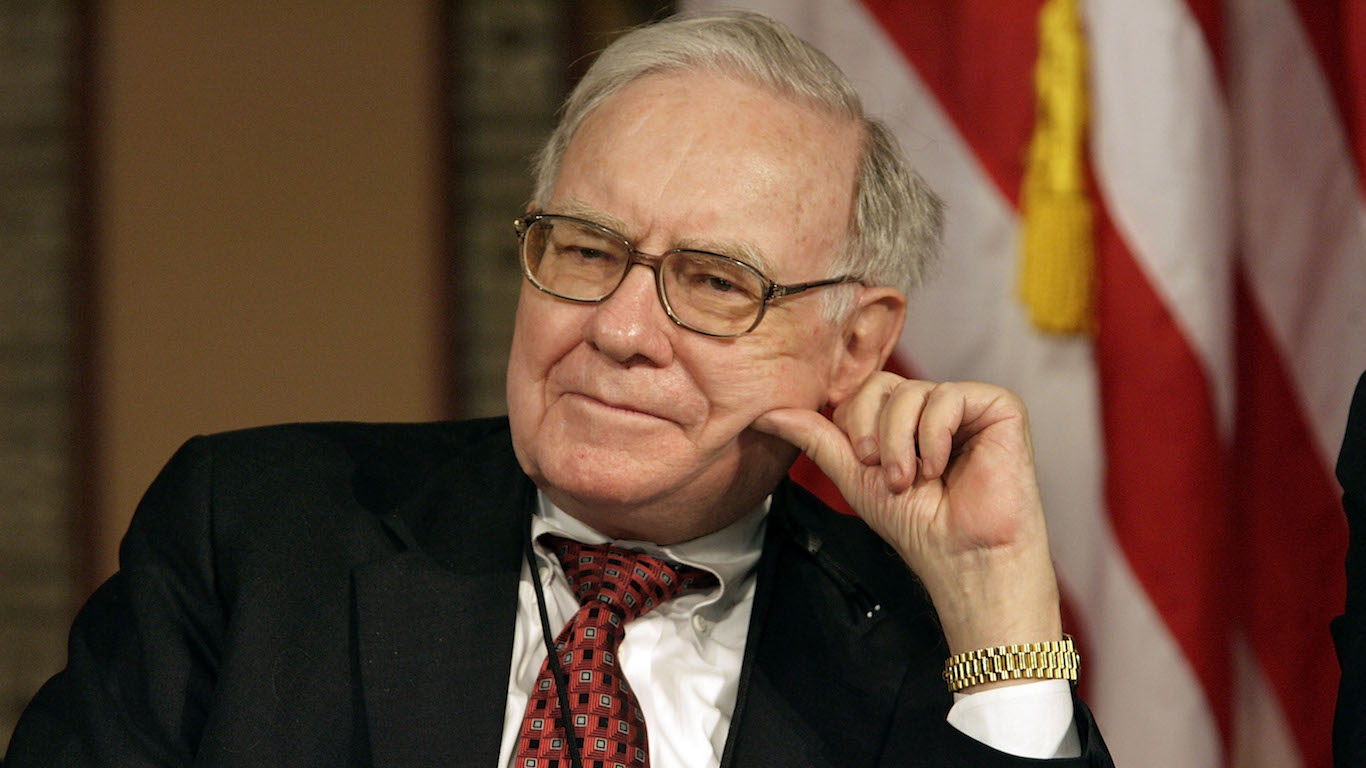
Warren Buffett’s Berkshire Hathaway is currently sitting on an unprecedented and massive cash pile, with approximately 31% of its portfolio held in cash and short-term Treasury bills—a record $381 billion. This enormous cash position continues to raise eyebrows across Wall Street, as it represents a stunning departure from Buffett’s typical approach of deploying capital into undervalued businesses and stocks.
The Oracle of Omaha has been a net seller of stocks for eight consecutive quarters, notably trimming Berkshire’s massive stake in Apple Inc. (NASDAQ: AAPL | AAPL Price Prediction) and offloading significant positions in Bank of America Corp. (NYSE: BAC). Many market professionals interpret this defensive posture as a strong signal that Buffett views current market valuations as overheated, with few attractive investment opportunities meeting his very stringent criteria for long-term value. In addition, he not only thinks the stock market is overvalued, but he has not repurchased any Berkshire Hathaway Inc. (NYSE: BRK-B) since the second quarter of 2024.
Long-time investors and Buffett mavens are familiar with this quote: “His favorite holding for an S&P 500 stock is forever.” So it is not surprising to report that for all of the success and stature Berkshire Hathaway has in the investment world, just five top companies make up over 70% of the fund’s total holdings. While much more concentrated than most portfolio managers would ever consider, the strategy has worked for Berkshire Hathaway investors for years. It is likely to continue doing so in the future. The question many would ask, given his impending departure, is what dividend stocks are likely to remain in the portfolio for the long term? We screened the portfolio, and these three longtime stalwarts, which pay dividends, are likely to stay in the portfolio for decades to come.
Why do we cover Warren Buffett’s stocks?
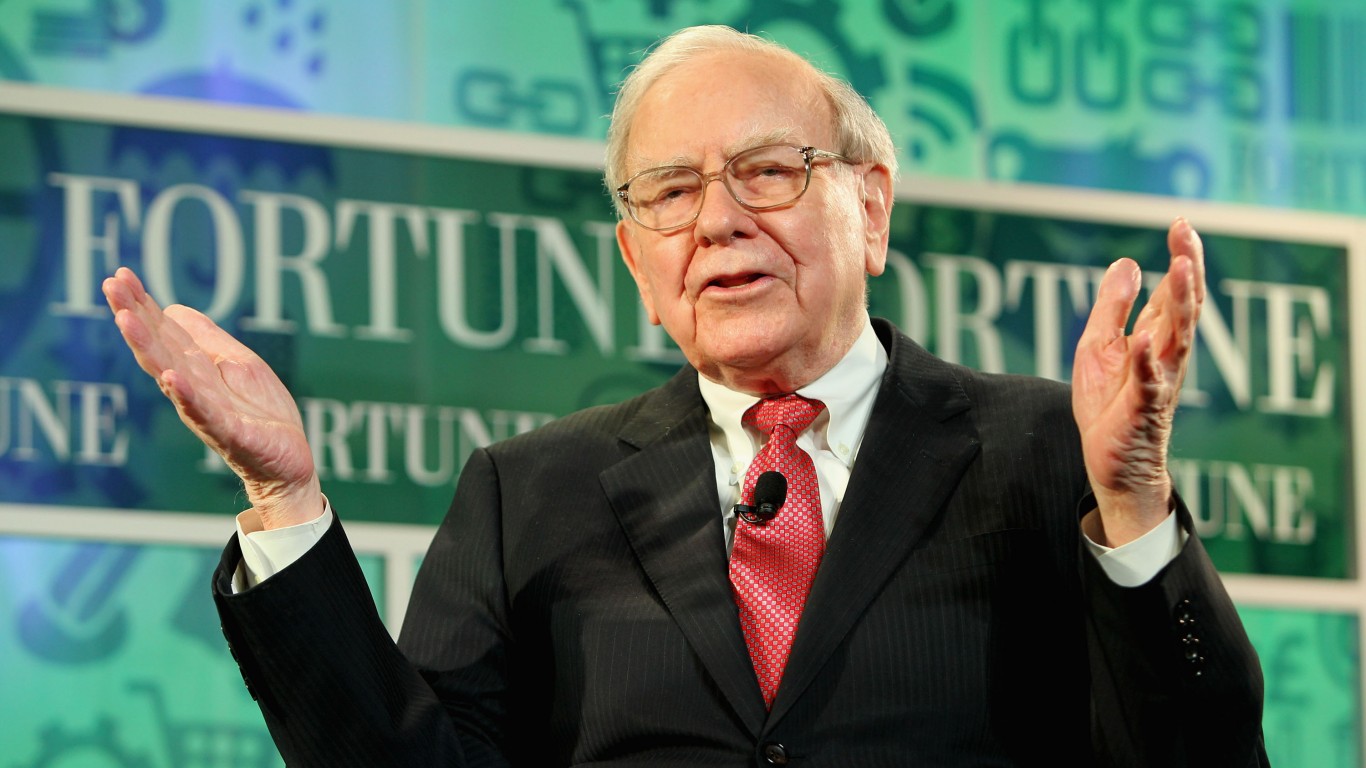
Few investors have the results and reputation that Buffett has garnered over the past 50 years. While investing has evolved in the past half-century, buying good companies with products and services recognized worldwide, while paying dividends, will always remain a timeless approach.
American Express
This American bank holding company and multinational financial services corporation specializes in payment cards. This stock has performed strongly in 2025, offering a dividend yield of 0.86%. American Express Co. (NYSE: AXP) is a globally integrated payments company that deals with card-issuing, merchant-acquiring, and card network businesses. It offers products and services to customers worldwide, including consumers, small businesses, mid-sized companies, and large corporations.
The financial giant posted strong third-quarter earnings per share of $4.14, exceeding analyst expectations of $3.99, representing a 19% year-over-year increase. Revenue grew 11% to $18.43 billion, surpassing the forecast of $18.05 billion, as net income increased 16% to $2.9 billion compared to last year.
Its segments include:
- U.S. Consumer Services, which offers travel and lifestyle services, as well as banking and non-card financing products.
- Commercial Services offers payment, expense management, banking, and non-card financing products.
- International Card Services provides services to international customers, including travel and lifestyle services, and manages certain international joint ventures and its loyalty coalition business.
- Global Merchant and Network Services operates a payments network that processes and settles card transactions, acquires merchants, and provides multichannel marketing programs, capabilities, services, and data analytics.
Berkshire Hathaway owns 151,610,700 shares, 21.6 % of American Express’s float, and 15.5% of the portfolio.
Wells Fargo has an Overweight rating with a $400 target price.
Coca-Cola
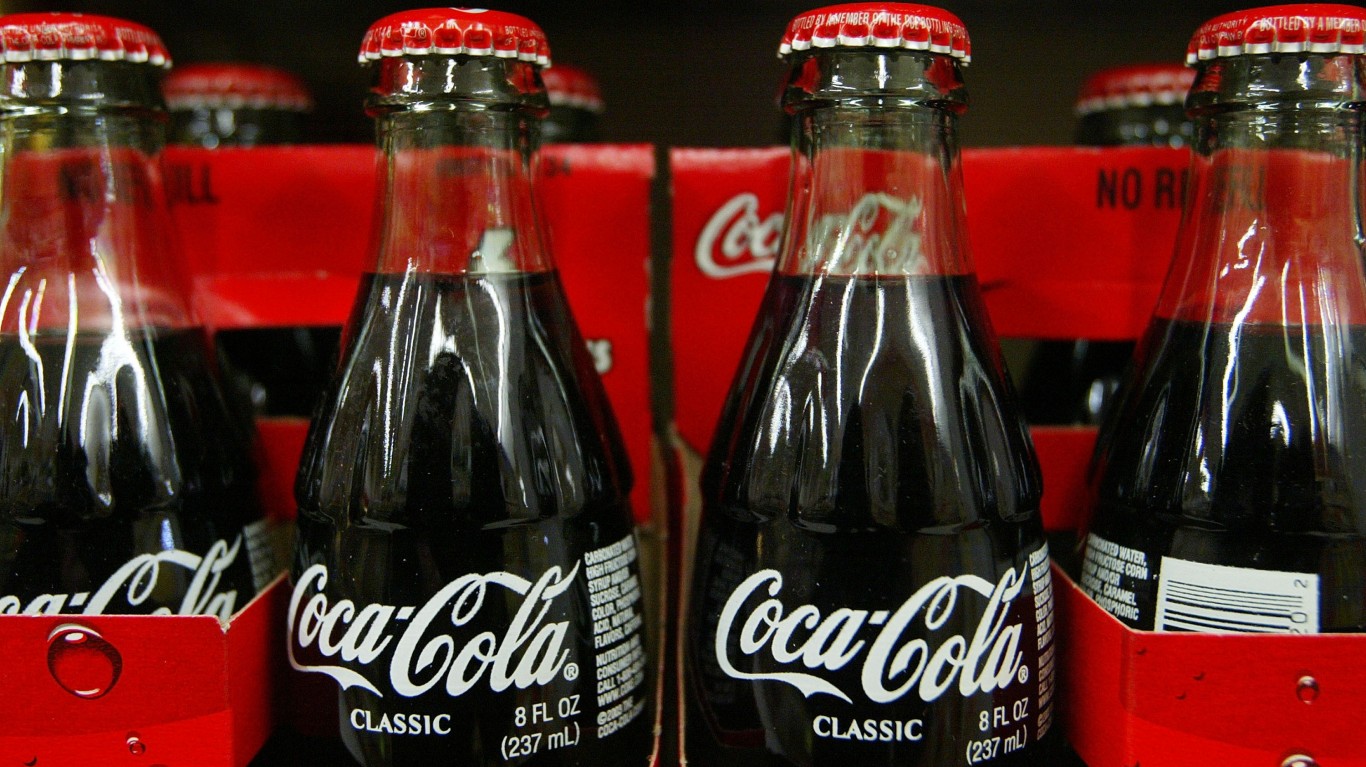
Coca-Cola Co. (NYSE: KO) is an American multinational corporation founded in 1892. This company remains a top long-time Buffett holding, and he owns a massive 400 million shares. They have increased by a solid 11% in 2025 and come with a dependable 2.92% dividend. Coca-Cola is the world’s largest beverage company, offering consumers more than 500 sparkling and still brands.
Led by Coca-Cola, one of the world’s most valuable and recognizable brands, the company’s portfolio features 20 billion-dollar brands, including:
- Diet Coke
- Coca-Cola Light
- Coca-Cola Zero Sugar
- Caffeine-free Diet Coke
- Cherry Coke
- Fanta Orange
- Fanta Zero Orange
- Fanta Zero Sugar
- Fanta Apple
- Sprite
- Sprite Zero Sugar
- Simply Orange
- Simply Apple
- Simply Grapefruit
- Fresca
- Schweppes
- Dasani
- Fuze Tea
- Glacéau Smartwater
- Glacéau Vitaminwater
- Gold Peak
- Ice Dew
- Powerade
- Topo Chico
- Minute Maid
Globally, it is the top provider of sparkling beverages, ready-to-drink coffees, juices, and juice drinks. Through the world’s most extensive beverage distribution system, consumers in more than 200 countries enjoy the company’s beverages at a rate of over 1.9 billion servings per day.
It is also important to remember that the company owns 16% of Monster Beverage Corp. (NASDAQ: MNST), which continues to deliver strong financial results.
Bank of America has a Buy rating and a target price of $80.
Kroger
This American retail company operates supermarkets and multi-department stores throughout the United States. This grocery chain giant is a consistently solid and conservative investment with a 2.02% dividend. Kroger Co. (NYSE: KR) also operates combination food and drug stores, marketplace stores, and price-impact warehouses.
Its combination of food and drug stores offers:
- Natural food and organic sections
- Pharmacies
- General Merchandise
- Pet centers
- Fresh seafood and organic produce
Multi-department stores offer:
- Apparel
- Home fashion and furnishings
- Outdoor living
- Electronics
- Automotive products
- Toys
The company’s marketplace stores offer:
- Full-service grocery, pharmacy, health, and beauty care
- Perishable goods, as well as general merchandise, including apparel, home goods, and toys
- Price-impact warehouse stores sell groceries, health and beauty care products, meat, dairy, baked goods, and fresh produce
The company also manufactures and processes food products in its supermarkets and online, and it sells fuel through 1,613 fuel centers.
Jefferies has a Buy rating with an $83 price objective.
As Warren Buffett Waves Goodbye, Five Dividend Stocks That Will Never Leave Berkshire Hathaway
Contact [email protected] for any questions or corrections.
Lee Jackson has covered Wall Street analysts' equity and debt research and equity strategy daily for 24/7 Wall St. since 2012. His broad, diverse career, including a stint as creative services director at an NBC affiliate in Austin, Texas, gives him unique insight into the financial industry.
Lee Jackson's journey in the financial industry spans more than 30 years, including nearly two decades as an institutional equity salesperson at Bear Stearns, Lehman Brothers, and Morgan Stanley. His career spanned pivotal sell-side Wall Street events, from the dot-com rise and bubble to the Long-Term Capital Management debacle, 9/11, and the Great Recession of 2008. This reflects his resilience and adaptability amid market volatility.
Lee Jackson’s practical financial industry experience, gained through a career at some of the biggest banks and brokerage firms, is complemented by a lifetime of writing across various platforms. This unique combination allows him to shed light on the intricacies of Wall Street in a way only someone with deep insider experience and knowledge can. Moreover, his extensive network across Wall Street continues to provide direct access for him and 24/7 Wall St., a privilege few firms enjoy.
Since 2012, Jackson’s work for 24/7 Wall St. has been featured in Barron’s, Yahoo Finance, MarketWatch, Business Insider, TradingView, Real Money, The Street, Seeking Alpha, Benzinga, and other media outlets. He attended the prestigious Cranbrook Schools in Bloomfield Hills, Michigan, and has a degree in broadcasting from the Specs Howard School of Media Arts.