Warren Buffett’s Hidden Portfolio Is Making a Big Bet on the U.S. Economy
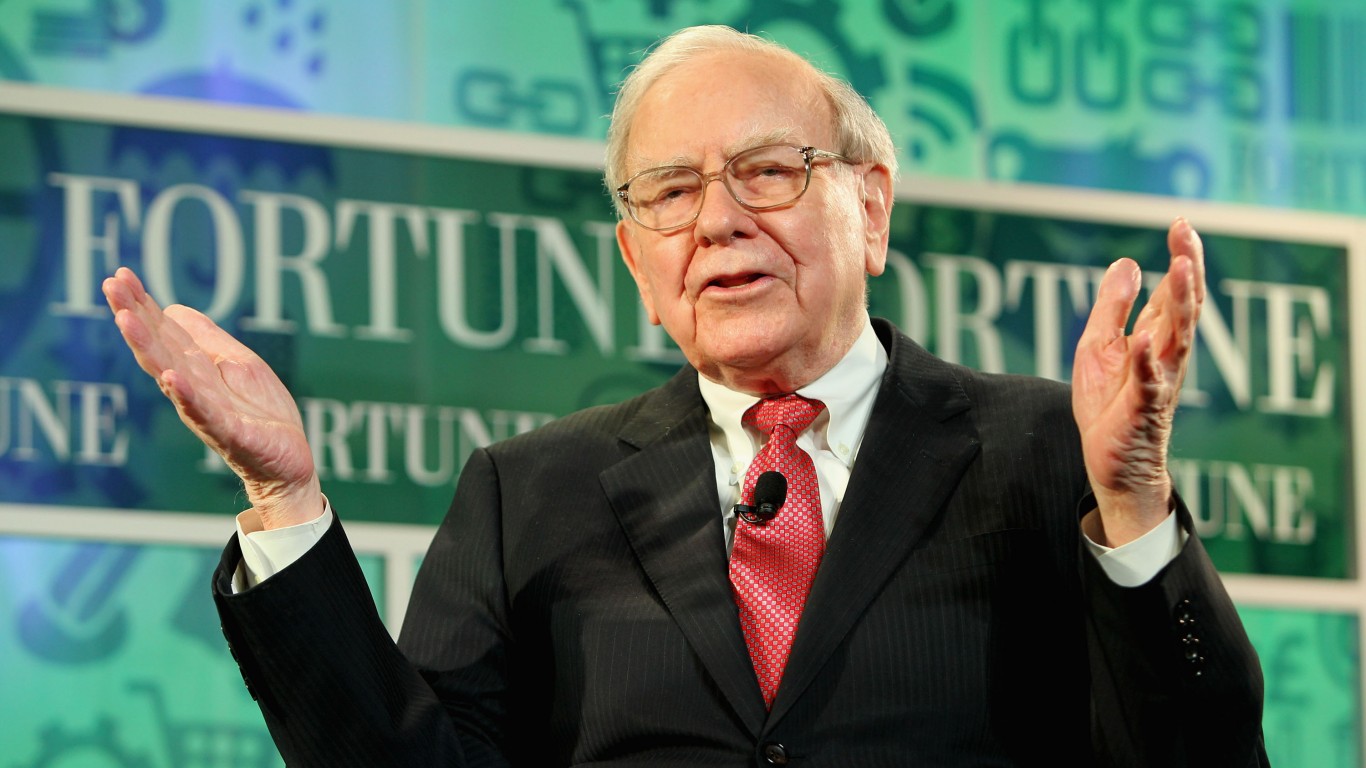
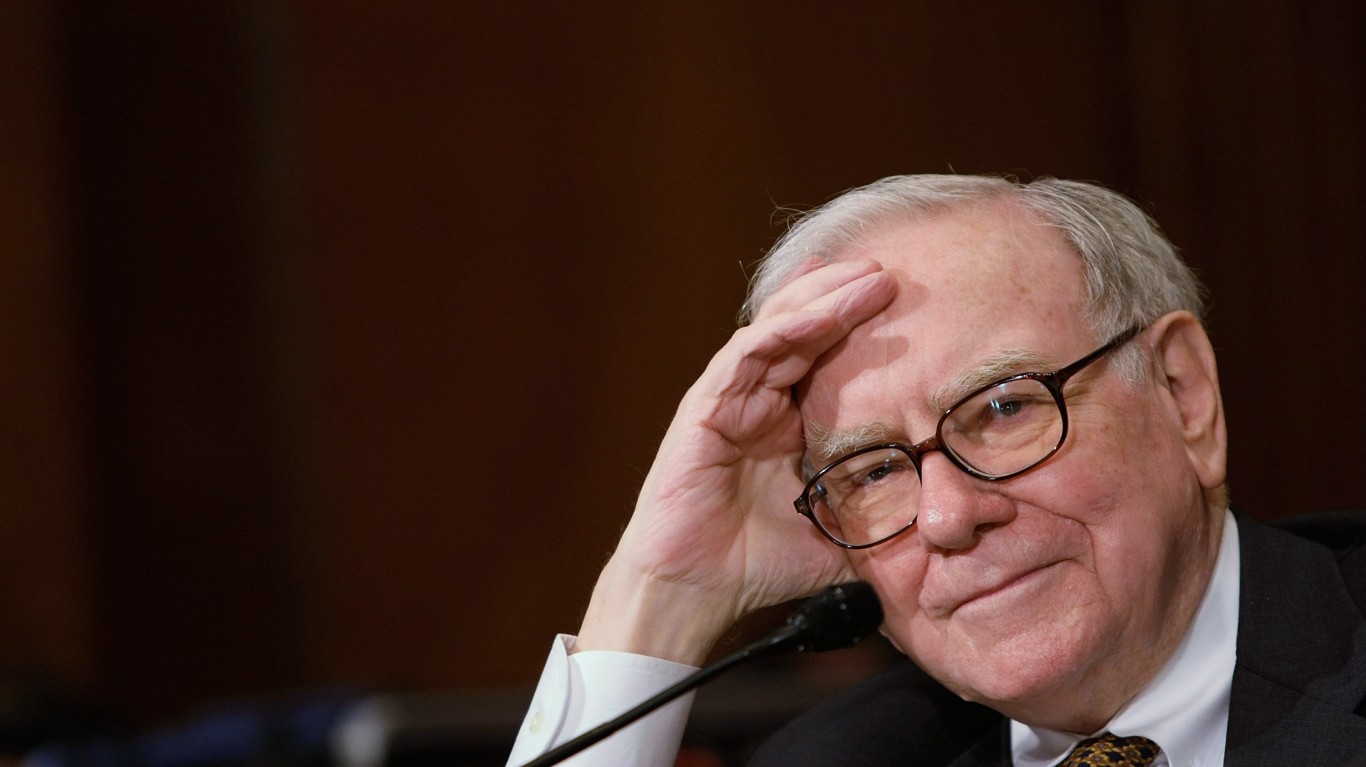
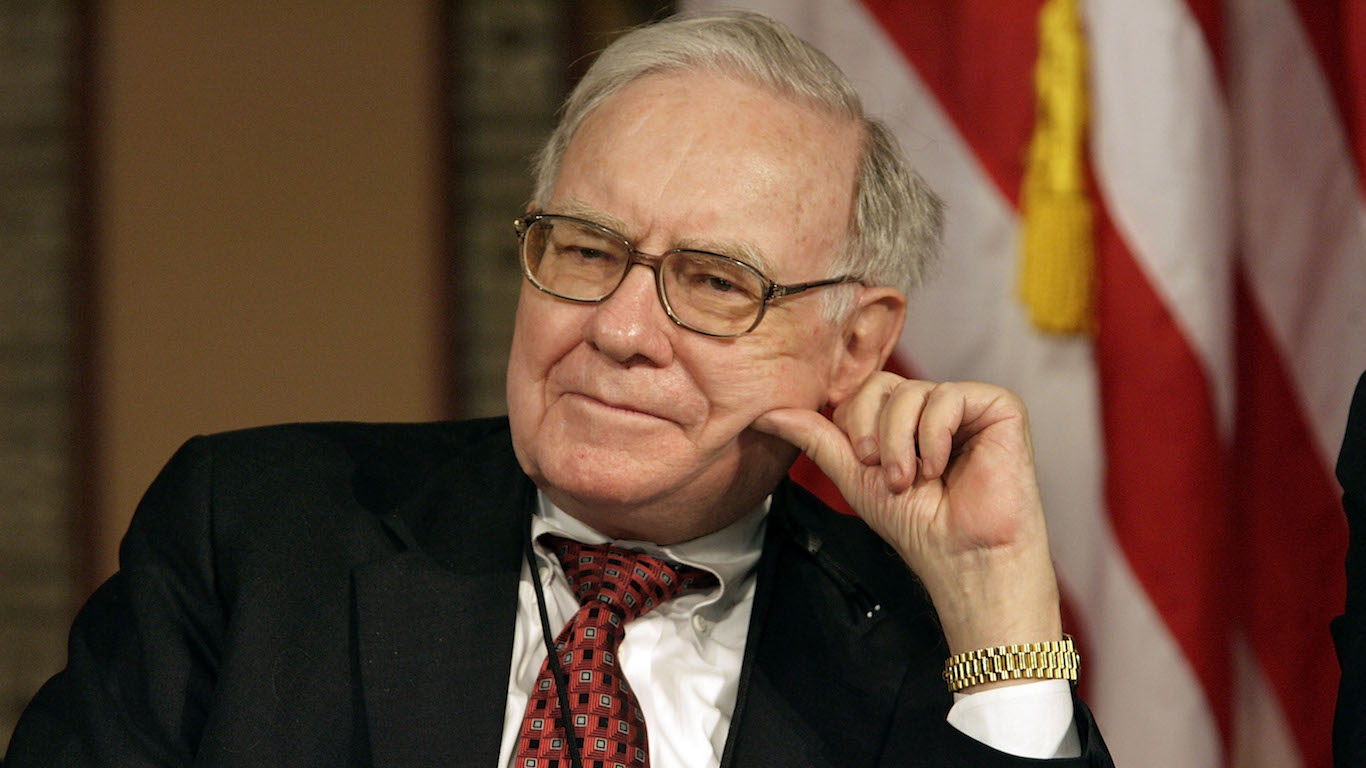
As Warren Buffett’s tenure at Berkshire Hathaway (NYSE:BRK-A | BRK-A Price Prediction)(NYSE:BRK-B) winds down, his track record as an investor stands unmatched, delivering returns exceeding 5 million percent since he took the reins over six decades ago. That compounds to…


As Warren Buffett’s tenure at Berkshire Hathaway (NYSE:BRK-A | BRK-A Price Prediction)(NYSE:BRK-B) winds down, his track record as an investor stands unmatched, delivering returns exceeding 5 million percent since he took the reins over six decades ago. That compounds to about 20% annually — twice the S&P 500′s pace over the period.
Investors pack Berkshire’s annual meetings in Omaha, and analysts dissect every 13F filing for clues to his moves. Less spotlighted, though, is the portfolio tucked inside a Berkshire subsidiary: New England Asset Management (NEAM). Acquired in 1998 through General Re, NEAM oversees about $85.5 billion in assets and a $765 million equity portfolio. It operates independently of Berkshire, chasing opportunities in exchange-traded funds (ETFs) and established stocks that echo Buffett’s value bent without overlapping Berkshire’s $258.7 billion holdings.
The money management firm recently filed its third-quarter 13F disclosures showing it doubled down on U.S. economic growth by significantly increasing its position in two broad-market trackers: Vanguard S&P 500 ETF (NYSEARCA:VOO) and iShares Core S&P Small-Cap ETF (NYSEARCA:IJR). This is quiet optimism about American businesses, from giants to upstarts, even as economic headwinds like inflation and high interest rates linger.
By blending large-cap stability with small-cap potential, NEAM’s choices highlight a conviction that the domestic engine remains robust heading into 2026.
Vanguard S&P 500 ETF (VOO)
NEAM made a big bet on the Vanguard S&P 500 ETF, increasing the number of shares owned from 13,540 shares to 92,580 shares, a 584% increase. The ETF is the second largest position in the portfolio, representing 7.4% of the total (and just behind the SPDR S&P 500 Trust ETF (NYSEARCA:SPY) at 8.7%). By making such a big purchase, NEAM underscores its commitment to a core holding in America’s corporate heavyweights.
This ETF mirrors the S&P 500, capturing 500 leading U.S. companies across sectors like technology, finance and health care. With assets of $1.5 trillion, Vanguard S&P 500 offers low-cost exposure — its expense ratio sits at a mere 0.03% — making it a staple for long-term builders. Top holdings include Nvidia (NASDAQ:NVDA) at over 8%, Apple (NASDAQ:AAPL) at nearly 7%, and Microsoft (NASDAQ:MSFT) around 6.5%. Together, they drive much of the index’s tech-fueled gains.
Performance has been strong, with the ETF returning about 17% year to date, outpacing its benchmark thanks to booming AI and cloud computing sectors. Over five years, it averaged 15% annual gains, beating 90% of large-blend peers. Dividends are currently yielding around 1.1% annually.
Yet, it’s not a risk-free bet. The S&P’s concentration in the “Magnificent Seven” tech names — now 35% of the index — amplifies its volatility if those stumble again as they did back in April amid tariff fears. Still, the ETF’s diversification across 11 sectors tempers that, with consumer staples and utilities providing ballast.
For NEAM, this ETF fits a strategy favoring steady compounding over flashy bets, positioning its portfolio for U.S. large-cap leadership as corporate earnings are forecast to grow 12% in 2026.
iShares Core S&P Small-Cap ETF (IJR)
Complementing its large-cap play, NEAM ramped up exposure to the iShares Core S&P Small-Cap ETF, tapping into the upside potential of smaller U.S. firms. The ETF tracks the S&P SmallCap 600, holding about 600 companies with market caps ranging from $850 million to $3.5 billion, including regional banks, manufacturers and niche tech outfits. Managing $90.7 billion in assets, it charges just 0.06% annually, delivering efficient access to this often-overlooked segment.
Small caps have lagged over the past few years but are showing signs of a rebound: the Russell 2000 index is beating the S&P 500 19% to 14% over the last six months and is about even with the benchmark index for the year. The iShares Core S&P Small-Cap ETF has only posted 8% returns year-to-date but is matching its larger brethren with 14% gains in the past six months. The ETF’s 1.9% yield comes from quarterly dividends, supported by its holdings’ reinvestment focus.
NEAM tripled its holdings of the ETF in Q3, acquiring around 30,700 shares. This reflects faith in small caps’ role as economic accelerators, as they generate 40% of U.S. jobs and often lead recoveries, with earnings projected to rise 20% next year. It’s still just a small position — just 0.69% of the total — but the $5 million bet is notable anyway.
Small-cap stocks have lagged the broader market due to the Federal Reserve’s interest rate policies, which sharply increase borrowing costs for smaller companies. As we are now in a period of rate-easing, the small-cap growth engine just might be revving up, and NEAM seems to be betting on small firms outpacing larger ones as the economy broadens beyond megacaps.
Contact [email protected] for any questions or corrections.
After two decades of patrolling the dark corners of suburbia as a police officer, Rich Duprey hung up his badge and gun to begin writing full time about stocks and investing. For the past 20 years, he’s been cruising the markets looking for companies to lock up as long-term holdings in a portfolio while writing extensively on the broad sectors of consumer goods, technology, and industrials. Because his experience isn’t from the typical financial analyst track, Rich is able to break down complex topics into understandable and useful action points for the average investor. His writings have appeared on The Motley Fool, InvestorPlace, Yahoo! Finance, Money Morning, and, of course, 24/7 Wall St. He has been featured in both U.S. and international publications, including MarketWatch, Financial Times, Forbes, Fast Company, and USA Today.