Greg Abel Is Now Running Berkshire. Here Are the 3 Moves That Will Define His Era
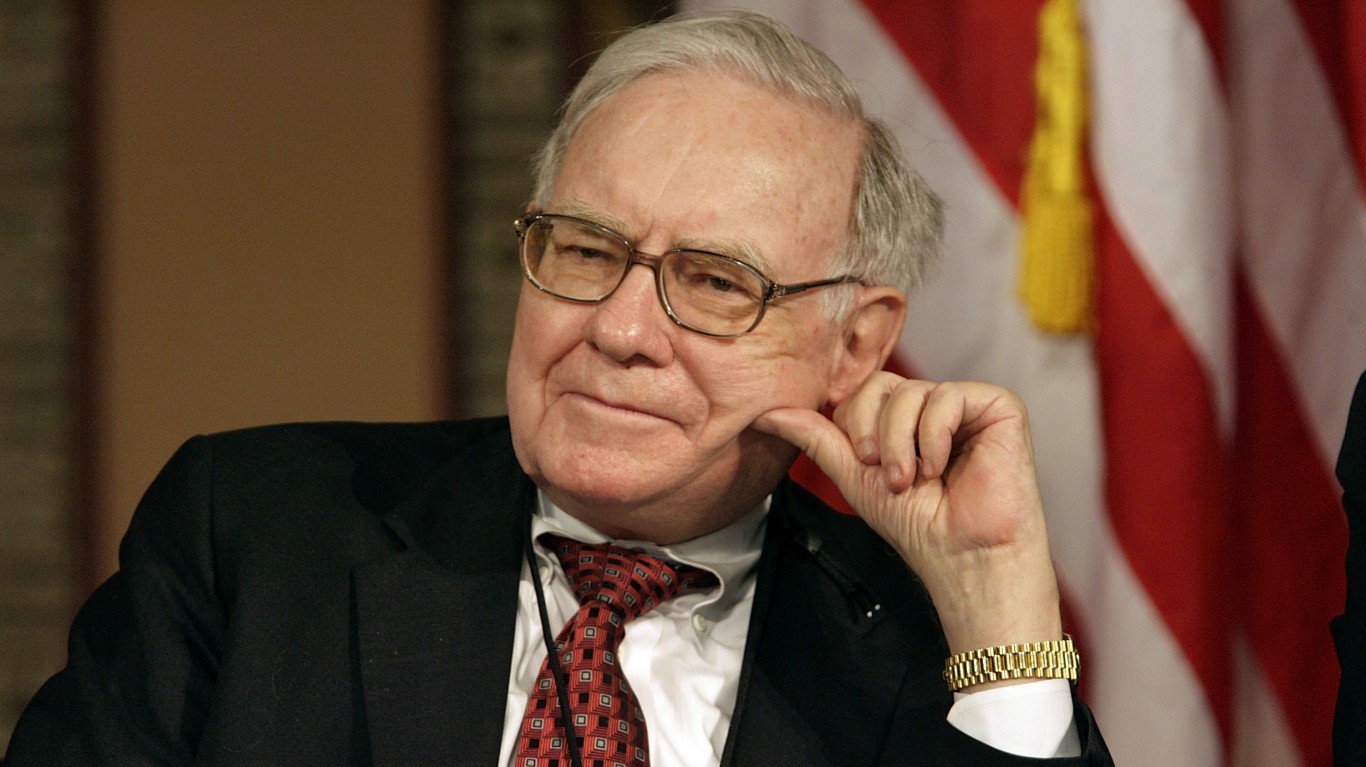
Greg Abel officially took the helm at Berkshire Hathaway (NYSE:BRK-B | BRK-B Price Prediction) on January 1, 2026, inheriting a fortress balance sheet, a legendary reputation, and a cash pile that would make most sovereign wealth funds blush. The first…

Greg Abel officially took the helm at Berkshire Hathaway (NYSE:BRK-B | BRK-B Price Prediction) on January 1, 2026, inheriting a fortress balance sheet, a legendary reputation, and a cash pile that would make most sovereign wealth funds blush. The first two months of his tenure have been anything but quiet. Three moves are already shaping what the Abel era will look like, and they tell you a lot about the man running the show.
Move 1: Cutting Loose the Kraft Heinz Albatross
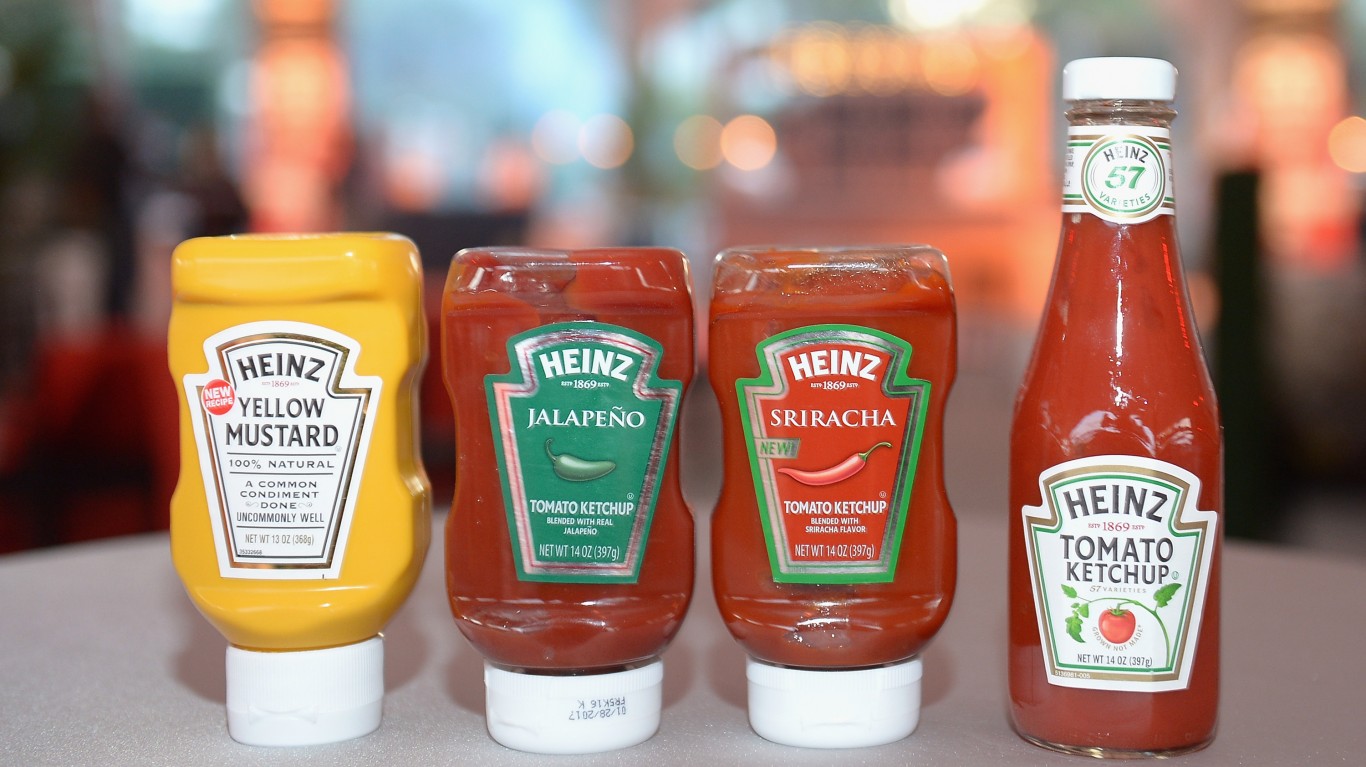
The first signal Abel sent was about intellectual honesty. Berkshire is reportedly exiting its 27.5% stake in Kraft Heinz stake in Kraft Heinz (NASDAQ:KHC), a position even Buffett publicly called a mistake. The exit isn’t painless. Berkshire is expected to absorb an estimated $2.5 billion loss on the sale.
But here’s the thing: holding a bad position out of pride is far more expensive than taking the loss. Abel is signaling he won’t be sentimental with capital. Morningstar noted the move “signifies a potential shift in the firm’s investment strategy” and maintained its fair value estimate, viewing Berkshire as slightly undervalued despite the hit.
That’s the right read. Freeing up roughly $7.7 billion from a stagnant holding and redeploying it into something with actual momentum is exactly what a new CEO should do.
Move 2: Reshaping the Equity Portfolio
Abel didn’t just trim one position. In Q4 2025, Berkshire reduced stakes in Apple, Bank of America, and Amazon, using those proceeds to build new positions. The firm added a significant holding in The New York Times, increased its positions in Chevron and Chubb, and initiated a stake in Domino’s Pizza (NYSE:DPZ). Berkshire ended the quarter with $274.2 billion in reportable U.S. equity holdings, a 2.6% increase from the prior quarter.
Morningstar analysts flagged Domino’s as the most compelling of the new buys, citing its wide economic moat and valuation. Think of Domino’s like a toll bridge for pizza delivery infrastructure. The brand, the logistics network, and the franchisee model create a business that is genuinely hard to displace.
Move 3: Resuming Buybacks and Putting Skin in the Game
This one matters most psychologically. After a nearly two-year pause on repurchases, Berkshire resumed stock buybacks on March 5, 2026. Abel also personally purchased $15 million worth of Class A shares, a direct signal that he believes the stock is trading below intrinsic value.
Context matters here. Abel’s first shareholder letter in late February had explicitly said there were “no immediate plans for stock buybacks,” which contributed to shares sliding nearly 5%. The reversal just days later, backed by his own dollars, was a confidence statement.
Berkshire ended 2025 with $373.3 billion in combined cash and short-term investments and generated $25 billion in free cash flow for the year. Abel has the resources. These three moves suggest he also has the conviction to use them.
Kraft Heinz remains one of the most scrutinized holdings in Berkshire’s history, and its exit marks a clean break from one of Buffett’s most acknowledged missteps.
Contact [email protected] for any questions or corrections.
I write to invest, and I invest to spend more time with nature. Usually all at the same time. I'm a retired equities guy who saw a recession or four, and lives for what comes out of the other side of them.
I cover stocks across the board cause even though I feel like I've seen it all, there's always another way out there to make, and lose money. I want to help you do more of the former, and none of the latter. Making money with friends is my oxygen.
Let's go!