The One Commodity ETF Every Retirement Portfolio Needs as Inflation Insurance
Retirement portfolios are built on one assumption that inflation keeps quietly attacking: that a dollar saved today will buy roughly a dollar’s worth of goods tomorrow. With the Consumer Price Index sitting at 326.6 and Core PCE rising steadily from…


Retirement portfolios are built on one assumption that inflation keeps quietly attacking: that a dollar saved today will buy roughly a dollar’s worth of goods tomorrow. With the Consumer Price Index sitting at 326.6 and Core PCE rising steadily from 125.267 in March 2025 to 127.918 by December 2025, that assumption deserves scrutiny.
Invesco DB Commodity Index Tracking Fund (NYSEARCA:DBC) is designed specifically to address this problem. Its role is not to replace stocks or bonds in a retirement portfolio. It acts as a counterweight when inflation erodes the purchasing power of fixed-income holdings.
How DBC Actually Works
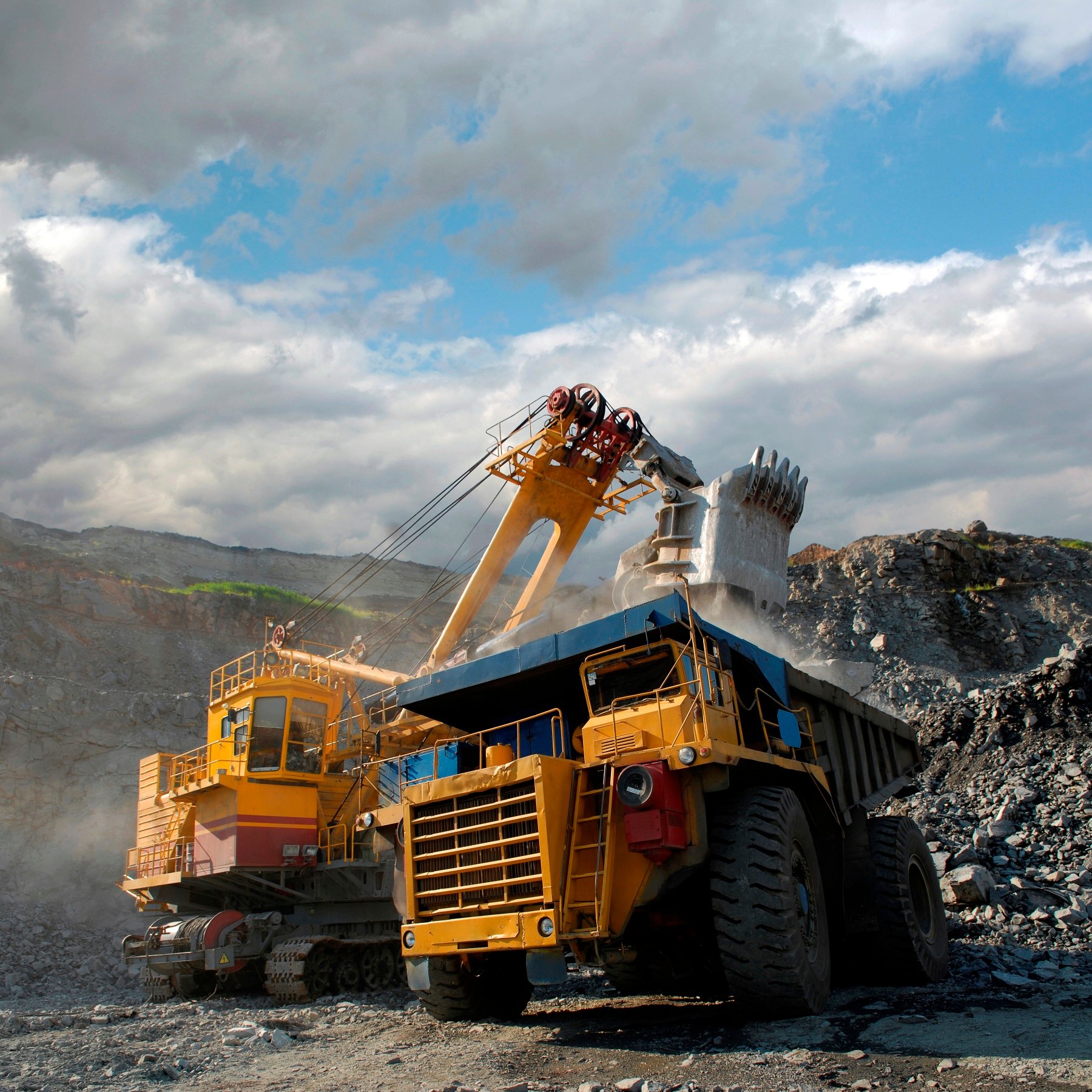
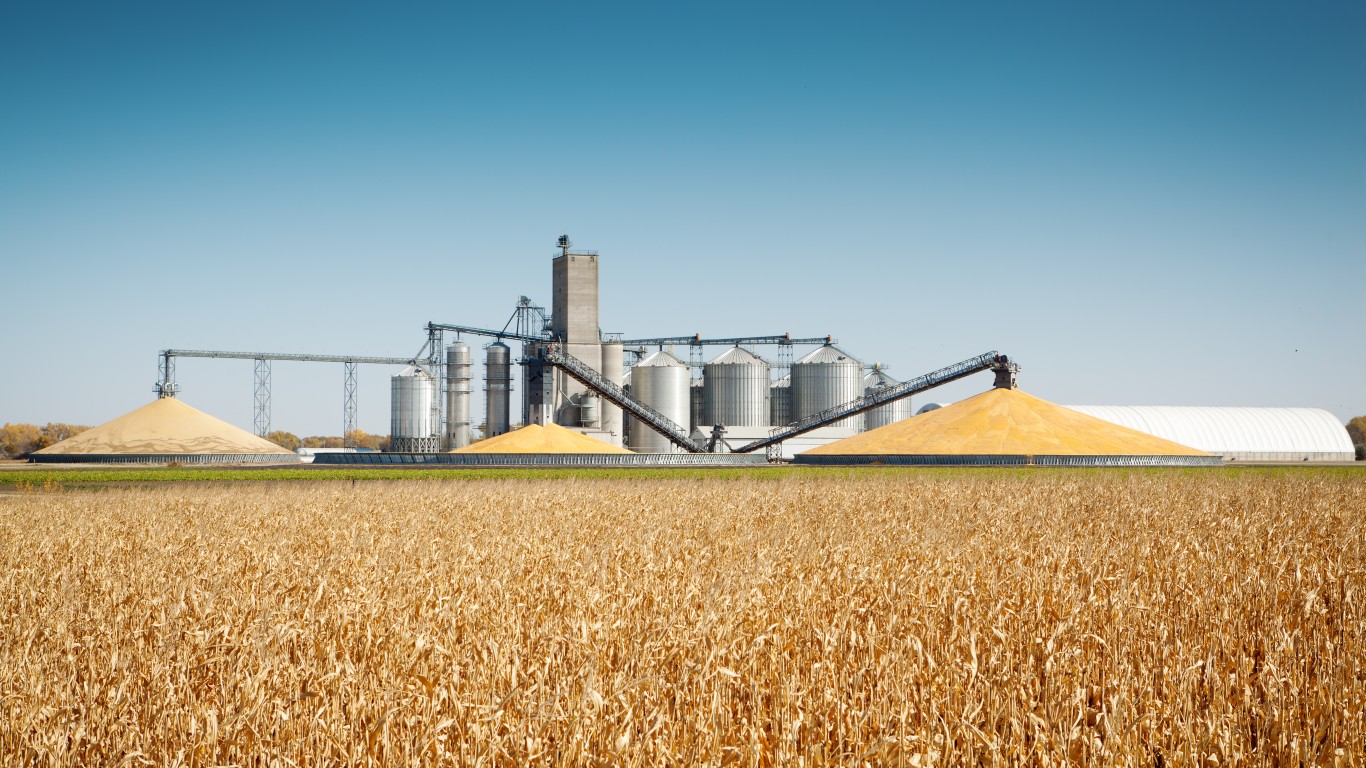
DBC holds futures contracts across energy, metals, and agricultural commodities rather than physical assets. What makes it distinct is its optimum yield roll methodology, which selects futures contract expiration dates designed to minimize contango drag. Contango is the condition where futures prices exceed spot prices, eroding returns when a fund rolls contracts. This is the fund’s core structural advantage over simpler commodity benchmarks.
The portfolio is genuinely diversified. Energy futures including Brent crude and WTI represent the largest exposure, while gold futures at 7.12% anchor the precious metals sleeve. Agricultural commodities, industrial metals, and livestock round out the rest. About 38% of the fund sits in short-term Treasuries and government money market instruments, serving as collateral for futures positions and generating modest yield.
A Strong Stretch, But With Important Context
DBC has delivered in the current inflationary environment. The fund is up 15.88% year-to-date in 2026 and 22.47% over the past year. The five-year return of 74.82% reflects the commodity cycle that began in 2021. Those are real numbers, but they reflect a period of above-average inflation. During low-inflation years, commodity funds like DBC can lag badly and test investor patience.
The Real Tradeoffs
Three constraints matter for retirement investors. The 0.85% expense ratio is reasonable for this strategy but compounds meaningfully over a 20-year retirement horizon. Futures-based funds also generate complex tax reporting through K-1 forms — investors who want to avoid that friction can look at PDBC, Invesco’s tax-advantaged version that uses a corporate structure instead.
The deeper challenge is volatility. Commodity prices swing in ways bond investors are not accustomed to, and that turbulence flows directly into DBC’s price. WTI crude moved dramatically across 2025, illustrating how quickly the fund’s value can shift based on energy market conditions. That volatility is a feature, not a bug, for inflation hedging, but a genuine test of investor patience during quieter inflation periods.
Some financial planners have discussed commodity ETFs like DBC in the context of a 5-10% inflation hedge allocation within diversified retirement portfolios. The fund’s volatility and cyclical nature mean it behaves very differently from bonds, and periods of low inflation have historically tested investor patience.
Contact [email protected] for any questions or corrections.
Austin Smith is a financial publisher with over two decades of experience as an investor, analyst, and advisor. He covers stocks, ETFs, Artificial intelligence and personal finance for 24/7 Wall St. Previously, he spent over a decade at The Motley Fool as a senior editor for Fool.com, portfolio advisor for Millionacres, and launched The Ascent to help reader take control of their personal finances.
His work has been featured on Fool.com, NPR, CNBC, USA Today, Yahoo Finance, MSN, AOL, Marketwatch, and many other publications. He is as an advisor to private companies, and co-hosts The AI Investor Podcast with Eric Bleeker.
When not looking for investment opportunities, he can be found skiing, running, or playing soccer with his children. Learn more about Austin's investment approach here.