Retirees Are Using a 3.56% Yield ETF to Turn Rising Grocery Costs Into Income
Grocery bills have climbed steadily for two years, and Bureau of Labor Statistics data confirms it: the Food CPI hit 345.17 in January 2026, the highest reading in the 12-month dataset, up from 337.75 in April 2025. For retirees on…

Grocery bills have climbed steadily for two years, and Bureau of Labor Statistics data confirms it: the Food CPI hit 345.17 in January 2026, the highest reading in the 12-month dataset, up from 337.75 in April 2025. For retirees on fixed incomes watching purchasing power erode, that trend is the problem this agricultural ETF was designed to address.
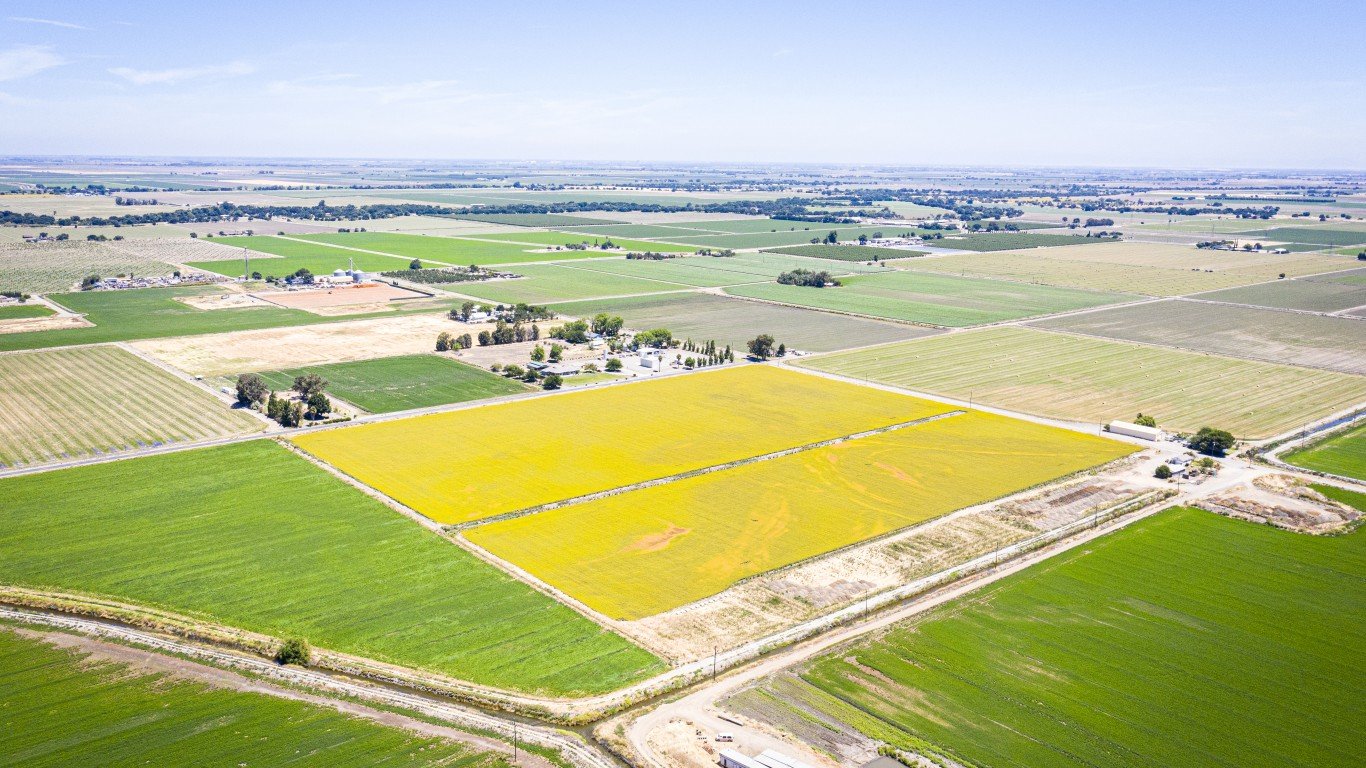
Invesco DB Agriculture Fund (NYSEARCA:DBA) gives investors direct exposure to agricultural commodity futures, including livestock, grains, and soft commodities, packaged into a single ETF that has traded since January 2007. Its five-year gain of 72.23% reflects how closely the fund tracked the post-pandemic food price surge, a period when agricultural futures outpaced most traditional asset classes. The fund has added a 1.96% gain so far in 2026.
For income-focused retirees, DBA also distributes a 3.56% dividend yield dividend yield, though the 0.85% annual expense ratio should be factored into net return expectations — a cost that is relatively modest given the complexity of managing a futures-based portfolio.
The Macro Signal That Matters Most: Trade Policy and Supply Disruption
The biggest macro force shaping DBA’s outlook is trade policy. Tariffs on agricultural imports and retaliatory measures from major food-producing nations directly affect the futures prices DBA holds. A 2025 Globe and Mail analysis cited trade tariffs alongside supply constraints and global demand as key drivers behind DBA’s rally. When trade routes are disrupted or export bans hit commodities like wheat or soybeans, futures prices move fast and DBA moves with them.
The USDA’s World Agricultural Supply and Demand Estimates report, released monthly, is the best single source to track. Any revision to global crop production or export forecasts can reprice the fund’s underlying futures contracts within days. The U.S. Trade Representative’s office is also worth watching for new tariff announcements affecting agricultural goods.
How DBA Actually Generates Its Income
DBA’s income mechanics are unusual and worth understanding before treating it like a bond substitute. The fund holds agricultural futures contracts, but the bulk of its assets sit in short-term Treasuries and government money market instruments as collateral. Those two positions currently represent roughly 40% of the portfolio. The annual distribution comes largely from interest earned on that collateral, not from commodity price gains.
That explains the wide variation in annual payouts: when short-term rates were near zero in 2022, the distribution fell to just $0.096 in 2022 per share; by 2024, with rates elevated, it recovered to $1.08 per share in 2024 — illustrating how sensitive the income stream is to Fed policy, not just food prices. With the Fed holding rates elevated, that collateral income stays meaningful. Aggressive cuts would compress the distribution even if food prices keep climbing.
One structural note for retirees: DBA issues a K-1 tax form rather than a standard 1099, adding complexity at tax time. Confirm your tax situation before holding this fund in a taxable account.
Watch the monthly USDA crop report for shifts in global supply forecasts, and track Fed rate decisions closely.
Contact [email protected] for any questions or corrections.
Austin Smith is a financial publisher with over two decades of experience as an investor, analyst, and advisor. He covers stocks, ETFs, Artificial intelligence and personal finance for 24/7 Wall St. Previously, he spent over a decade at The Motley Fool as a senior editor for Fool.com, portfolio advisor for Millionacres, and launched The Ascent to help reader take control of their personal finances.
His work has been featured on Fool.com, NPR, CNBC, USA Today, Yahoo Finance, MSN, AOL, Marketwatch, and many other publications. He is as an advisor to private companies, and co-hosts The AI Investor Podcast with Eric Bleeker.
When not looking for investment opportunities, he can be found skiing, running, or playing soccer with his children. Learn more about Austin's investment approach here.