Amazon Rises 5%, Globalstar Jumps 10% as $11.57 Billion Acquisition Ignites a Satellite War With SpaceX
Amazon (NASDAQ:AMZN | AMZN Price Prediction) stock is up 5% today, rising from $239.89 to $252, after the company announced a blockbuster $11.57 billion acquisition of Globalstar (NASDAQ:GSAT). The deal is designed to turbocharge Amazon’s Project Kuiper satellite broadband initiative…


Amazon (NASDAQ:AMZN | AMZN Price Prediction) stock is up 5% today, rising from $239.89 to $252, after the company announced a blockbuster $11.57 billion acquisition of Globalstar (NASDAQ:GSAT). The deal is designed to turbocharge Amazon’s Project Kuiper satellite broadband initiative and put it in direct competition with SpaceX’s Starlink. So, let’s break down what’s moving these stocks and why it matters.
Globalstar stock is surging 10% on the news, climbing from $72.89 to $80. That’s on top of a 273% gain over the past year, making today’s pop feel less like a surprise and more like a confirmation of what the market has been pricing in for months. The acquisition validates Globalstar’s spectrum and satellite assets at a premium investors had long suspected was coming.
Amazon’s $11.57 Billion Bet on the Satellite Race
Amazon’s Project Kuiper aims to deliver high-speed internet to remote areas globally, competing head-to-head with SpaceX’s Starlink constellation. CEO Andy Jassy has called low earth orbit satellites one of the “seminal opportunities” alongside AI, chips, and robotics. Acquiring Globalstar hands Amazon a functioning satellite network, licensed spectrum, and critical infrastructure that would take years to build from scratch.
Globalstar’s globally harmonized Band 53/n53 spectrum is widely considered the crown jewel here. That spectrum is uniquely valuable because it’s licensed across markets worldwide, something that’s nearly impossible to replicate. It’s the kind of asset that makes a deal look cheap even at $11.57 billion.
The timing is notable. Amazon had already signaled aggressive infrastructure ambitions, with $200 billion in capex planned for 2026, primarily AI-related. Folding Globalstar’s assets into that spending plan accelerates the Kuiper roadmap considerably. For more on Amazon’s earlier moves tying Globalstar and AWS AI revenue together, this April 9 analysis laid out the strategic groundwork well.
Globalstar’s Strategic Value Goes Beyond Satellites
Globalstar isn’t just a satellite company anymore. Its XCOM RAN private 5G platform is in early commercialization, with Boingo completing a proof-of-concept trial for private 5G deployments. That technology adds an industrial connectivity layer that fits neatly into Amazon’s broader ambitions around AI-led logistics and warehouse automation.
There’s a notable complexity in the deal worth flagging. Apple (NASDAQ:AAPL) holds a 20% stake in Globalstar and has allocated 85% of its network capacity, powering the emergency SOS feature on iPhones. How Amazon navigates that existing relationship with a major competitor will be one of the first questions analysts ask. Granted, the capacity arrangement could continue under new ownership, but it introduces a layer of deal complexity that regulators and investors will watch closely.
On the financial side, Globalstar posted $71.96 million in revenue for Q1 2026, up 18% year over year, with Wholesale Capacity Services rising 28% to $46.29 million. Full-year 2026 guidance calls for revenue of $280 to $305 million with an adjusted EBITDA margin of approximately 50%. Those are solid fundamentals for a company being absorbed into a $2.7 trillion enterprise.
SpaceX Was Already Circling
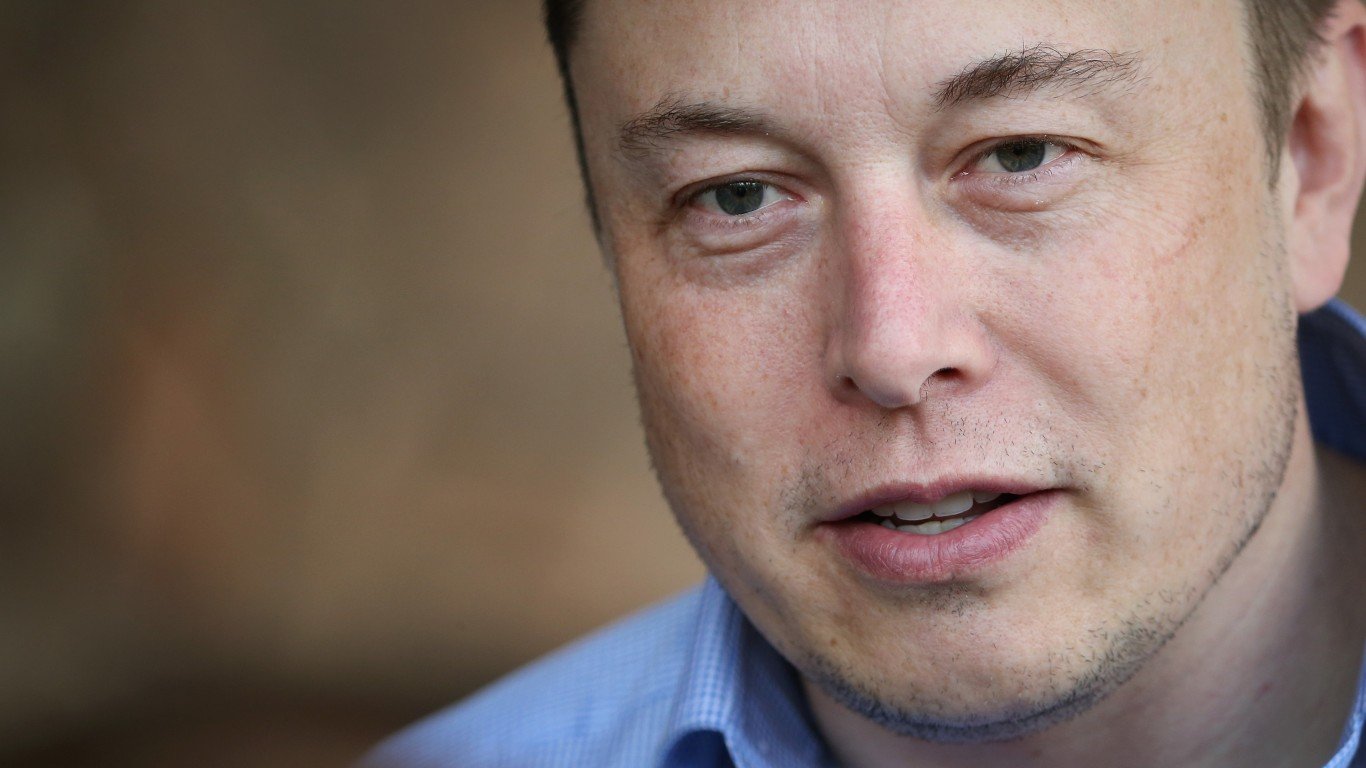
The competitive stakes become clear when you look at who else wanted these assets. SpaceX had previously explored its own acquisition of Globalstar in November 2025, which means Amazon effectively outbid Tesla (NASDAQ:TSLA) CEO Elon Musk’s space company for these assets. That context reframes this deal as less of a strategic choice and more of a defensive necessity. Amazon couldn’t afford to let Starlink absorb Globalstar’s spectrum.
Amazon’s Q4 results already showed momentum heading into this deal. AWS revenue hit $35.58 billion in Q4, up 24% year over year, the fastest growth in 13 quarters. Advertising services added another $21.32 billion, up 23%. The cash generation engine is running hot, and that gives Amazon the financial firepower to absorb a deal of this scale without breaking stride.
What to Watch
Watch for whether the Apple capacity arrangement becomes a sticking point in regulatory review, and whether SpaceX responds with a countermove in the spectrum or satellite M&A space. The prediction market for AMZN stock closing up today sits at 99.1% probability, so the market has already made its call on today’s session.
No matter how you slice it, this deal reshapes the satellite internet landscape. Amazon stock was up 4% year-to-date heading into today, and this acquisition gives the bull case a concrete infrastructure catalyst to point to through the rest of 2026.
Contact [email protected] for any questions or corrections.
David Moadel is financial writer specializing in stocks, ETFs, options, precious metals, and Bitcoin. David has written well over 1,000 articles for leading online publications, helping investors understand markets, income strategies, and risk.
His work has appeared in The Motley Fool, InvestorPlace, U.S. News & World Report, TipRanks, ValueWalk, Benzinga, Market Realist, TalkMarkets, Finmasters, 24/7 Wall St., and others.
With a master’s degree in education, David has taught at the elementary, high school, and college levels. That teaching background shapes his writing style: clear, educational, and practical. David has also built a loyal social-media audience by providing trustworthy financial content on YouTube, X/Twitter, and StockTwits.