




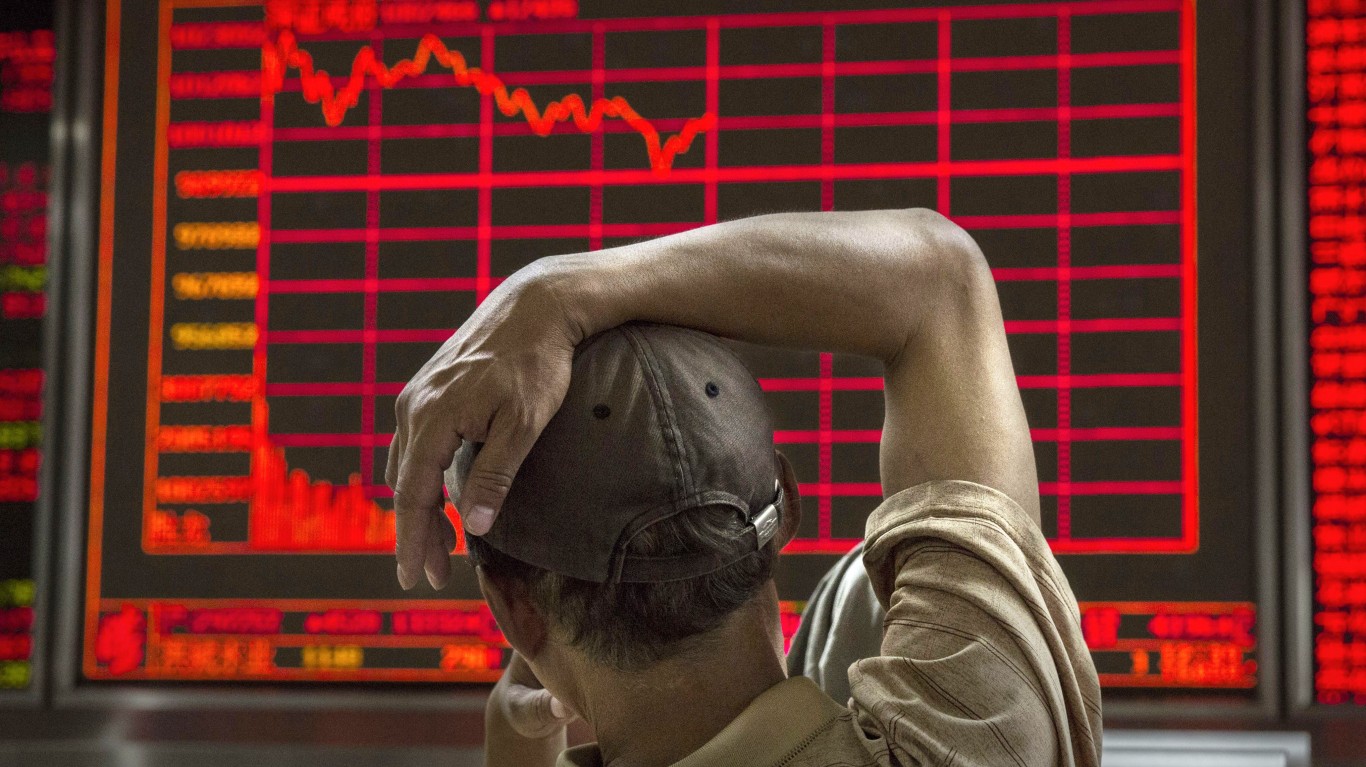
WTI crude oil surged above $114 per barrel in early April after the U.S. imposed a naval blockade on Iran following the collapse of peace talks in Islamabad. Oil climbed from $56 in early January to over $100 by April 1, as the Iran war shut down tanker traffic through the Strait of Hormuz. A brief ceasefire in early April offered temporary relief before failed negotiations pushed Trump toward escalation. The White House is now signaling it may reopen diplomatic channels, and WTI has pulled back toward $91. Yet investors who bought SPDR S&P Oil & Gas Exploration & Production ETF (NYSEARCA:XOP) expecting a windfall are sitting with a ~30% gain year-to-date, not the blowout they imagined.
What XOP Holds and How It Works
XOP tracks the S&P Oil & Gas Exploration & Production Select Industry Index, holding 99.3% of its portfolio in energy, almost entirely upstream producers. The fund’s equal-weight methodology gives each holding roughly the same slice regardless of size. A smaller driller like APA carries ~2.9% of the fund, essentially the same as ConocoPhillips (NYSE:COP | COP Price Prediction) at ~2.6%.
The return engine is straightforward: E&P companies pump oil and gas, sell it at spot prices, and earnings move with commodity prices. XOP is the purest expression of that bet, with a 0.35% expense ratio and a 1.6% dividend yield.
Why $114 Oil Hasn’t Delivered the Expected Returns
COP, one of XOP’s top holdings, realized just $42 per barrel of oil equivalent in Q4 2025, down 19% year-over-year. Hedging programs lock in prices before spikes. Product mix, transportation differentials, and natural gas exposure dilute what producers actually receive. COP’s full-year 2025 net income fell 13% despite revenue growing 12.7%, because cost inflation and lower realized prices compressed margins.
Occidental Petroleum (NYSE:OXY) shows this more sharply. The company’s high debt is eating the upside that $100 oil was supposed to deliver.
The Refining Advantage XOP Misses
XOP’s equal-weight structure includes some refiners, but Marathon Petroleum (NYSE:MPC) sits at just ~2.5% of XOP, a rounding error. MPC posted an adjusted EPS beat of 35% in Q4 2025, with refining margins expanding from $12.9 to $18.7 per barrel. MPC is up ~38% year-to-date, versus XOP’s ~30%. Over one year, MPC has gained 83% while XOP has gained 56%. XOP investors captured almost none of that refining boom.
Chevron (NYSE:CVX), an integrated major with a downstream cushion, saw full-year net income fall 30% in 2025 despite record production. Pure-play E&P, which is what XOP overwhelmingly holds, had it worse.
Three Structural Constraints That Cap Upside
- Equal-weight drag: XOP’s methodology rebalances quarterly, giving smaller, more leveraged drillers the same weight as larger operators. When smaller names blow up, they pull the whole fund down. High turnover also creates capital gains distributions, reducing after-tax returns.
- The capex treadmill: E&P companies must continuously reinvest to maintain production. COP spent $12.6 billion in capital expenditures across 2025 while targeting a $1 billion cost reduction in 2026. OXY spent $6.4 billion in capex in 2025. Free cash flow is materially less than operating cash flow, limiting how much of the oil price windfall flows to shareholders.
- OPEC ceiling: Every price spike above $100 invites a supply response. OPEC+ has announced output hikes adding bearish pressure. Prediction markets currently put only a 21% probability on WTI touching $110 this week, and the $90 level carries a high probability of being reached. The geopolitical premium is real but fragile.
XOP works best as a short-duration tactical bet when an oil supply shock is expected to benefit upstream producers directly. It is a poor vehicle for capturing refining booms, integrated major stability, or sustained income. Holding it as a core energy allocation through a full cycle will likely leave real returns well below what the commodity price chart implies.










 Top Gaining Stocks
 Top Losing Stocks