Jim Cramer Says ‘It Just Didn’t Happen’ — and That’s Why Many Americans Missed the Most Powerful Rally of 2026
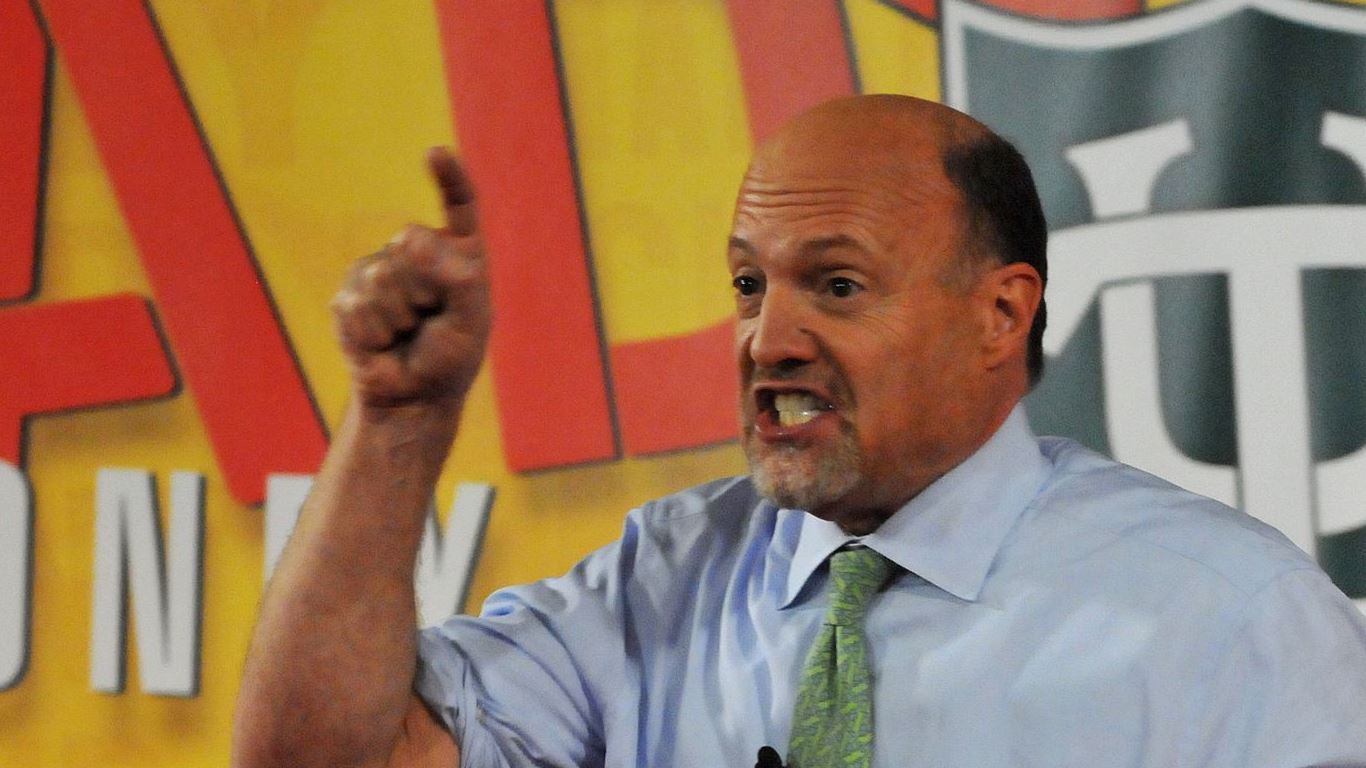
On the April 14 episode of Mad Money, Jim Cramer delivered a sharp diagnosis of why so many investors missed one of the strongest market moves of the year: The catastrophes they feared never arrived. “It just didn’t happen,” Cramer…

This post may contain links from our sponsors and affiliates, and Flywheel Publishing may receive compensation for actions taken through them.
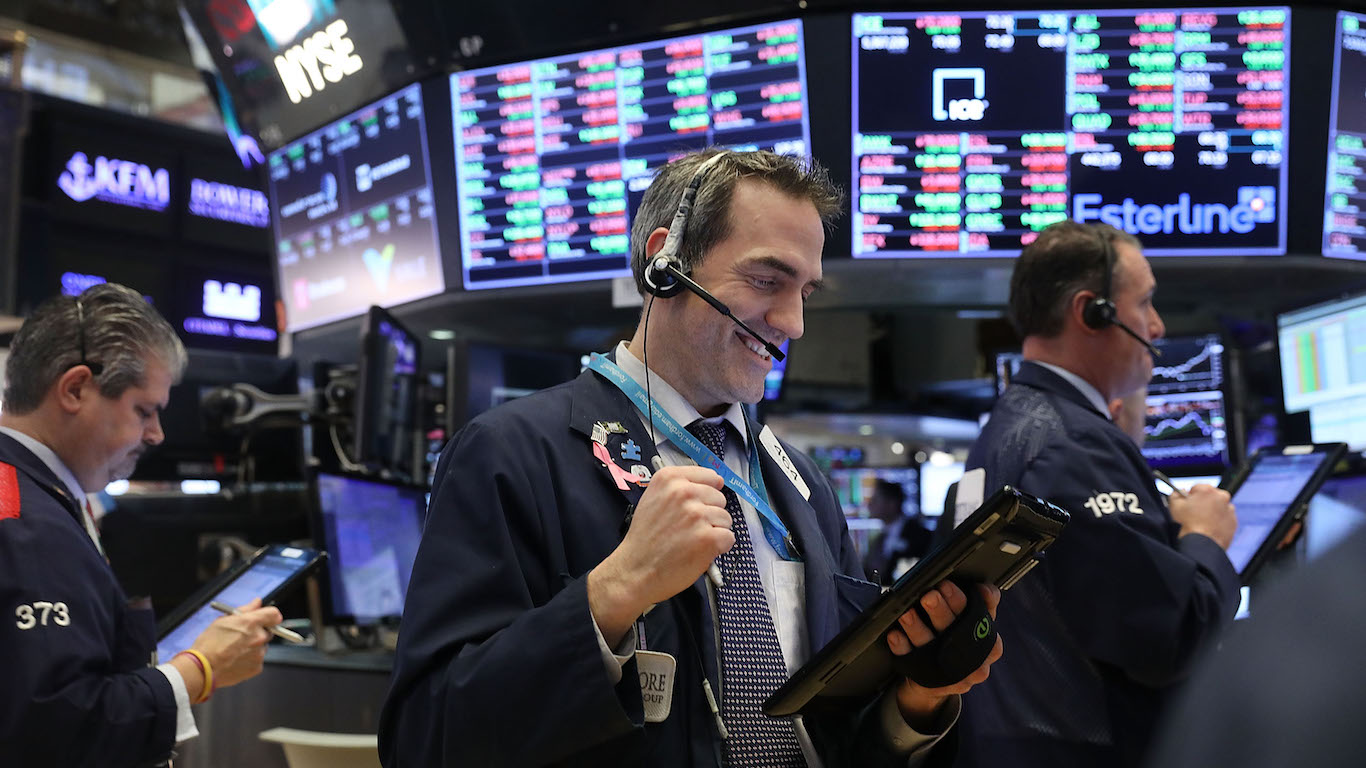
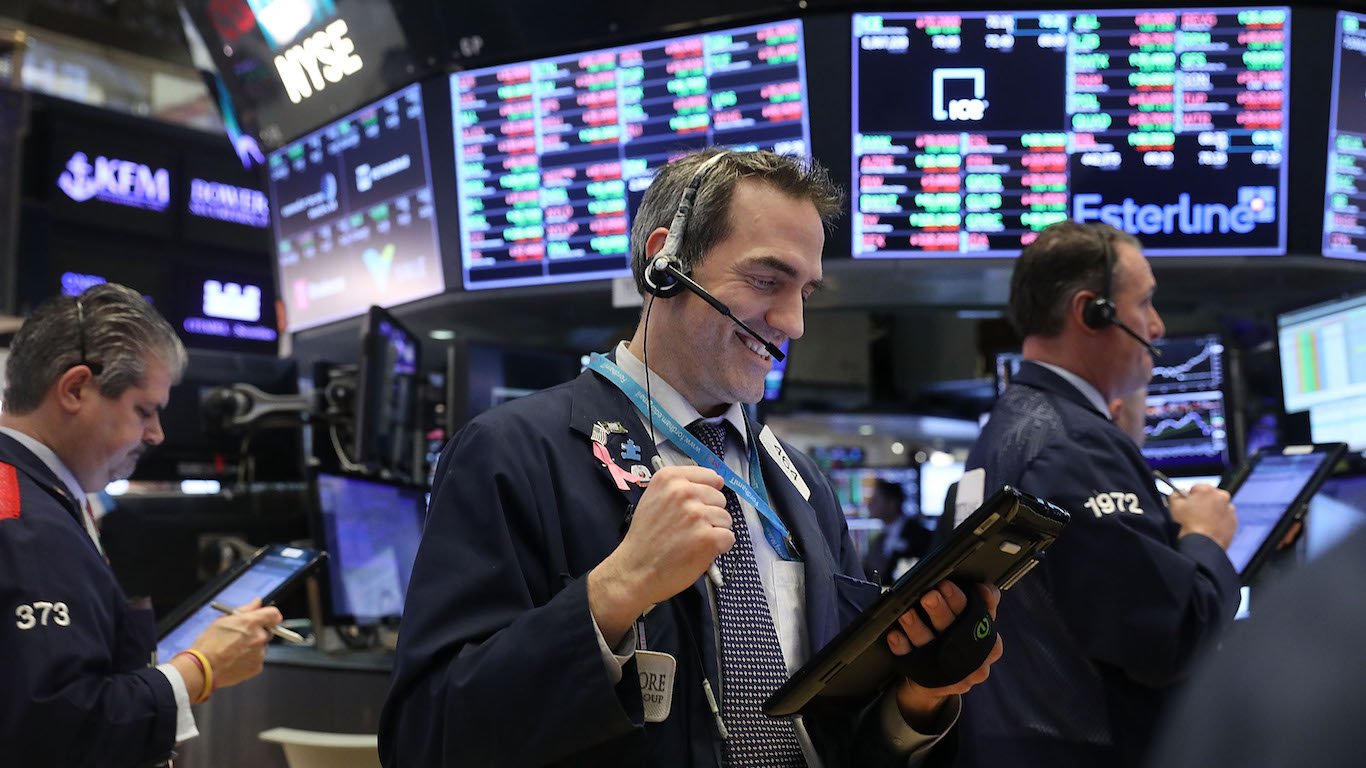
On the April 14 episode of Mad Money, Jim Cramer delivered a sharp diagnosis of why so many investors missed one of the strongest market moves of the year: The catastrophes they feared never arrived. “It just didn’t happen,” Cramer said the session’s gains reflected a collapse of fear rather than a surge of new optimism. The Nasdaq rose 2% and the S&P 500 gained 1% on the day.
Geopolitical fears, private credit collapse warnings, and Magnificent Seven death narratives all failed to materialize. Investors positioned defensively around those narratives missed the move. Cramer’s charitable trust was selling into the overbought rally rather than adding new positions, signaling he sees the current level as a place to trim, not chase.
The Fear That Wasn’t
The VIX tells the story cleanly. The fear gauge stood at 19.12 as of April 13, down 30% over the prior month, after spiking as high as 31.05 on March 27. Meanwhile, University of Michigan consumer sentiment survey hit a record low in March and is deep in recessionary territory. Retail investors, anchored to fear, stayed sidelined as equities recovered.
Nvidia and Amazon Led the Charge
Nvidia (NASDAQ:NVDA | NVDA Price Prediction) gained 9% over the past week, moving from $178.10 to $198.51. The fundamental case remains intact: Q4 FY2026 revenue came in at $68.13 billion, up 73% year over year, with Data Center networking revenue surging 263%. CEO Jensen Huang stated: “Computing demand is growing exponentially — the agentic AI inflection point has arrived.”
Amazon (NASDAQ:AMZN) was the week’s standout, rising more than 10% from $213.77 to $248.13. AWS grew 24% to $35.58 billion in Q4, its fastest pace in 13 quarters, and the company has $200 billion in capex planned for 2026. Apple (NASDAQ:AAPL) added 2% on the week, with its 2.5 billion active device installed base providing durable revenue visibility.
Cramer’s Bank Call: Santander Over the Field
Cramer’s banking preference is specific. He likes Banco Santander over Deutsche Bank, supported by the numbers. Banco Santander (NYSE:SAN) gained nearly 4% on the week and is up 85% over the past year. Full-year 2025 profit reached $12.81 billion, with a return on tangible equity of 16% and an efficiency ratio of 41%, the best in over 15 years. CEO Ana Botin is targeting RoTE above 20% by 2028.
Wells Fargo: Strong Fundamentals, Soft Reaction
Cramer views Wells Fargo (NYSE:WFC) as trying to bottom but disappointing. The stock was down slightly on the week, despite a solid Q1 report filed that morning. CEO Charlie Scharf noted “diluted earnings per share increasing 15%, revenue increasing 6%, loans increasing 11% and deposits increasing 7% compared to a year ago.” The muted response may reflect macro uncertainty rather than underlying business weakness.
One macro wildcard Cramer flagged: Larry Fink told him oil could be cut in half if the current conflict ends. With Brent crude at $94 per barrel as of April 15, a resolution scenario carries significant deflationary implications for consumers and corporate margins, removing one of the last genuine macro fears overhanging the market.
Contact [email protected] for any questions or corrections.
Joel South covers large-cap stocks, dividend investing, and major market trends, with a focus on earnings analysis, valuation, and turning complex data into actionable insights for investors.
He brings more than 15 years of experience as an investor and financial journalist, including 12 years at The Motley Fool, where he served as an investment analyst, Bureau Chief, and later led the Fool.com investing news desk. He has also co-hosted an investing podcast and appeared across TV and radio discussing market trends.