Tesla Gets $360 Price Target as Traders Ask: How Much Will Terafab Really Cost?
Tesla (NASDAQ:TSLA | TSLA Price Prediction) stock heads into its April 22 Q1-2026 earnings report carrying a fresh set of questions that go well beyond the usual delivery count and margin debate. Barclays is keeping an Equal Weight rating with…

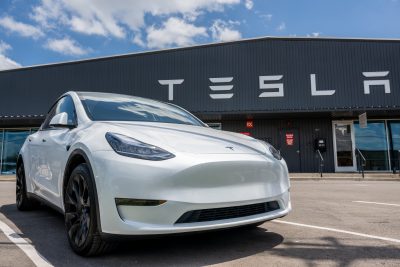
Tesla (NASDAQ:TSLA | TSLA Price Prediction) stock heads into its April 22 Q1-2026 earnings report carrying a fresh set of questions that go well beyond the usual delivery count and margin debate. Barclays is keeping an Equal Weight rating with a $360 price target, and the firm’s central concern is one that could reshape how investors think about Tesla’s capital story for years: how much will Terafab actually cost?
TSLA stock is down 16% year-to-date, trading around $378 on Wednesday morning. That weakness reflects little disclosed progress on Robotaxi and Optimus, two of the initiatives investors are most eager to see monetized. Following Tesla’s recent UBS upgrade, which made the bull case for Tesla as a physical AI platform, Barclays is taking a noticeably more cautious stance into the print.
| Ticker | Company | Firm | Action | Old Rating | New Rating | Old Target | New Target |
|---|---|---|---|---|---|---|---|
| TSLA | Tesla | Barclays | Reiteration | Equal Weight | Equal Weight | $360 | $360 |
The Analyst’s Case
Barclays acknowledges that the TSLA stock selloff “could imply on the surface an opportunity for the stock to outperform” on Q1 results. However, the firm warns that any commentary on incremental capex “could be perceived negatively.”
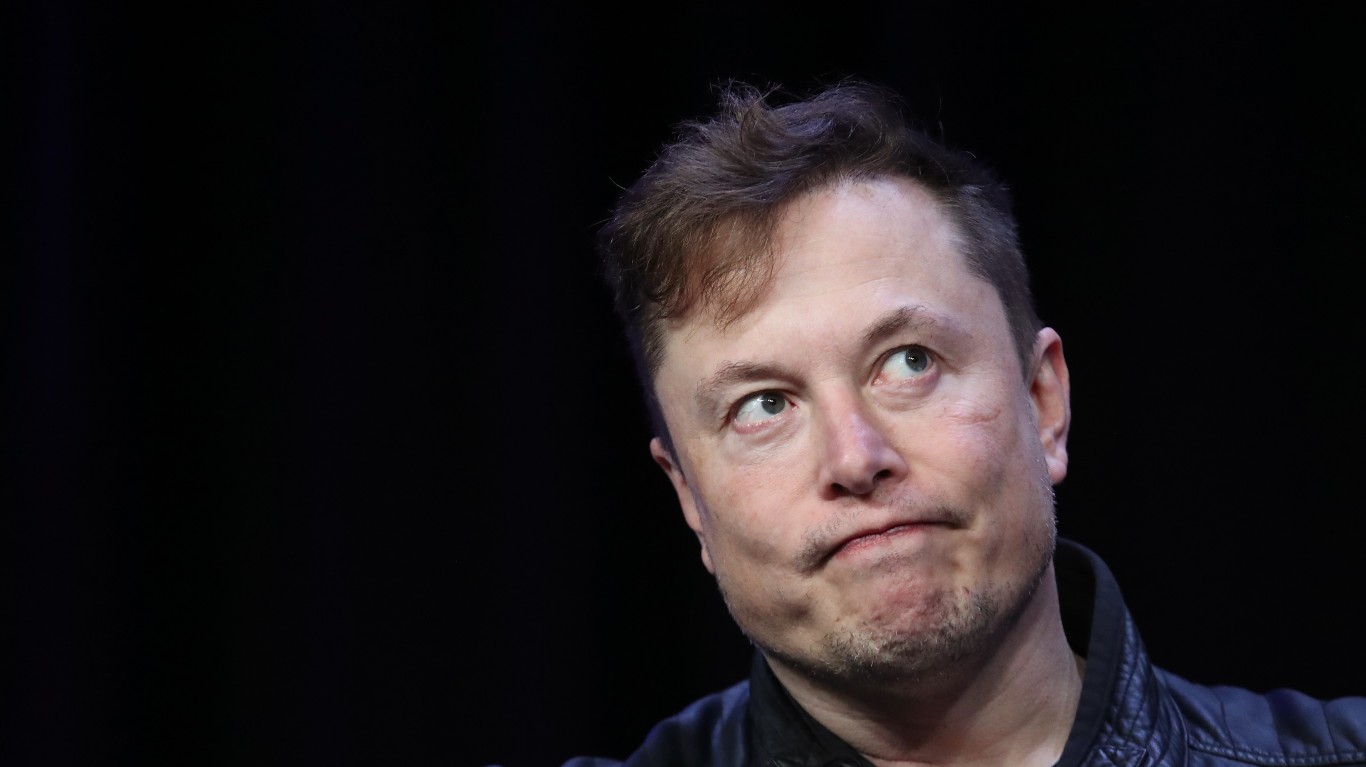
The core concern is Terafab, Tesla CEO Elon Musk’s proposed domestic semiconductor facility. On the Q4 2025 earnings call, Musk described it as “a very big fab that includes logic, memory, and packaging. Domestically.” Tesla CFO Vaibhav Taneja confirmed it was not included in the $20 billion 2026 capex guidance, with a separate update promised in future quarters.
Barclays estimates that Terafab could cost in the mid-single digit trillion dollar range if fully built out. Even if Tesla’s capex doesn’t “exponentially increase,” the firm expects a further step up from the elevated $20 billion figure Tesla already guided to. That’s a significant ask for a company whose full-year 2025 free cash flow came in at $6.22 billion.
Company Snapshot
Tesla’s Q4 2025 results showed tension between margin recovery and volume pressure. Gross margin expanded to 20%, while vehicle deliveries fell 16% year-over-year to 418,227 units. The energy segment was strong, posting $3.837 billion in revenue, up 25% year-over-year, with record Q4 deployments of 14.2 GWh.
Tesla ended the quarter with $44.059 billion in cash and equivalents, up 173% year-over-year, giving it a meaningful war chest. The stock carries a trailing P/E ratio of 322x, reflecting the premium investors assign to Tesla’s long-term AI and autonomy ambitions rather than its current earnings power.
Why the Move Matters Now
The Q1 2026 earnings call on April 22 is shaping up as a pivotal capex communication moment. Prediction markets currently assign a 53% probability to Tesla missing or matching Q1 earnings expectations, with only a 47% chance of a beat. The capex narrative could matter more than the EPS line itself.
Musk laid out the strategic rationale on the last call, declaring, “If we don’t do the Tesla TerraFab, we’re going to be limited by supplier output of chips.” Taneja reinforced the necessity framing: “Remember, all this comes out of necessity. It’s not that we want to do it. It’s just we have no choice.”
What It Means for Your Portfolio
For long-term investors, the Terafab question is genuinely difficult to size. A mid-single digit trillion dollar fab would dwarf Tesla’s current market cap of roughly $1.4 trillion, and the funding path remains undefined.
You’d want to own Tesla shares if you believe the vertical integration thesis justifies that scale of investment and that Tesla can execute it. If you’re skeptical of the timeline or capital discipline, Barclays’ Equal Weight stance offers a reasonable framework for staying patient.
The TSLA stock analyst consensus target sits at $415.30, above Barclays’ $360, suggesting Wall Street is broadly more optimistic. Tesla’s recent UBS upgrade made the case that the stock had become too cheap to ignore as a physical AI platform. Barclays is asking investors to wait for clarity on what “physical AI” will actually cost before pricing it in.
Contact [email protected] for any questions or corrections.
David Moadel is financial writer specializing in stocks, ETFs, options, precious metals, and Bitcoin. David has written well over 1,000 articles for leading online publications, helping investors understand markets, income strategies, and risk.His work has appeared in The Motley Fool, InvestorPlace, U.S. News & World Report, TipRanks, ValueWalk, Benzinga, Market Realist, TalkMarkets, Finmasters, 24/7 Wall St., and others.With a master’s degree in education, David has taught at the elementary, high school, and college levels. That teaching background shapes his writing style: clear, educational, and practical. David has also built a loyal social-media audience by providing trustworthy financial content on YouTube, X/Twitter, and StockTwits.