From Bill Gates to Tim Cook: 7 Iconic CEOs Who Chose Executive Chair Over Retirement
Iconic founders and long-tenured CEOs rarely walk away entirely. They migrate to the executive chairperson seat, retaining board voting power, equity alignment, and strategic influence. The pattern signals whether a handoff is clean and time-boxed or whether it carries shadow-CEO…

Iconic founders and long-tenured CEOs rarely walk away entirely. They migrate to the executive chairperson seat, retaining board voting power, equity alignment, and strategic influence. The pattern signals whether a handoff is clean and time-boxed or whether it carries shadow-CEO risk and strategic drift. Here is how seven landmark transitions compare.
7. Bill Gates, Microsoft
Microsoft (NASDAQ: MSFT | MSFT Price Prediction) set the modern template. Gates left the CEO role in 2000, served as board chair, then technical advisor, then exited the board entirely. The gradual transition gave Satya Nadella room to build a cloud and AI franchise: Q3 FY26 revenue of $82.89 billion (+18.3%), Azure +40%, and an AI run rate of $37 billion (+123% year over year). Since Gates left the board, the stock has returned around 156%. The cleanest handoff on this list.
6. Larry Ellison, Oracle
Oracle (NYSE: ORCL) shows what happens when the chair remains the dominant strategic voice. Ellison stepped down as CEO in 2014 but remains executive chair and CTO, with 40.5% insider ownership. Q3 FY26 delivered $17.19 billion in revenue, IaaS up 84% to $4.89 billion, and remaining performance obligations of $553 billion (+325% year over year). Five-year return: 143.4%. This works when founder vision aligns with market momentum.
5. Howard Schultz, Starbucks
Starbucks (NASDAQ: SBUX) illustrates the optionality embedded in the chair role. Schultz cycled through chair and chair emeritus titles, returning as CEO multiple times. Brian Niccol now holds the reins, with Q2 FY26 revenue of $9.53 billion (+8.8%), global comps +6.2%, and a Niccol quote calling it “the turn in our turnaround.” Shares are up 26.6% year to date. The chair status keeps the comeback door open, for better or worse.
4. Jeff Bezos, Amazon
Amazon (NASDAQ: AMZN) exemplifies a clean founder handoff. Bezos transitioned to executive chair in 2021 to focus on Blue Origin and the Day 1 Fund. Andy Jassy now runs the company, posting Q1 FY26 revenue of $181.52 billion (+16.6%) and AWS revenue of $37.59 billion (+28%), the fastest growth in 15 quarters. Jassy said: “We’re in the middle of some of the biggest inflections of our lifetime.” Polymarket puts Jassy’s odds of departing in 2026 at 15%.
3. Bob Iger, Disney
Disney (NYSE: DIS) is the cautionary tale. Iger retired, watched the Chapek era unravel, then returned. The shareholder cost was substantial: shares are down 40.3% over five years. The current team is rebuilding, with Q2 FY26 revenue of $25.17 billion (+6.5%), entertainment SVOD operating income up 88% to $582 million, and a raised FY26 buyback target of $8 billion. A botched chair-to-retirement transition ranks among the most expensive governance mistakes a board can make.
2. Warren Buffett, Berkshire Hathaway
Berkshire Hathaway (NYSE: BRK-B) is the textbook founder handoff. Buffett has stepped back as CEO with Greg Abel taking over, while Buffett remains as board chair. Insider activity backs the plan: Abel personally acquired 23 Class A shares in March 2026 at prices between $725,210 and $733,300. The stock trades at a P/E of 14 with a 9.8% return on equity. The open question is whether Berkshire can keep beating the S&P 500 without Buffett at the wheel.
1. Tim Cook, Apple
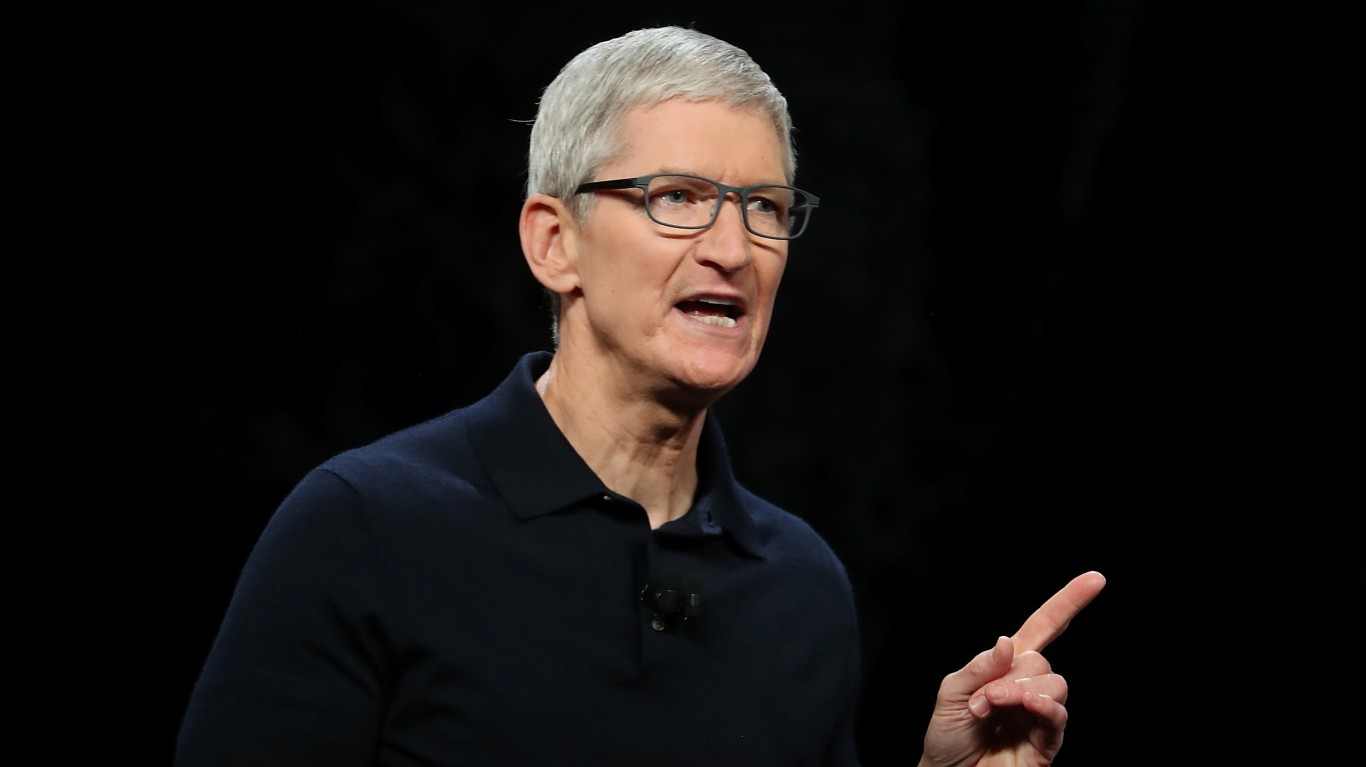
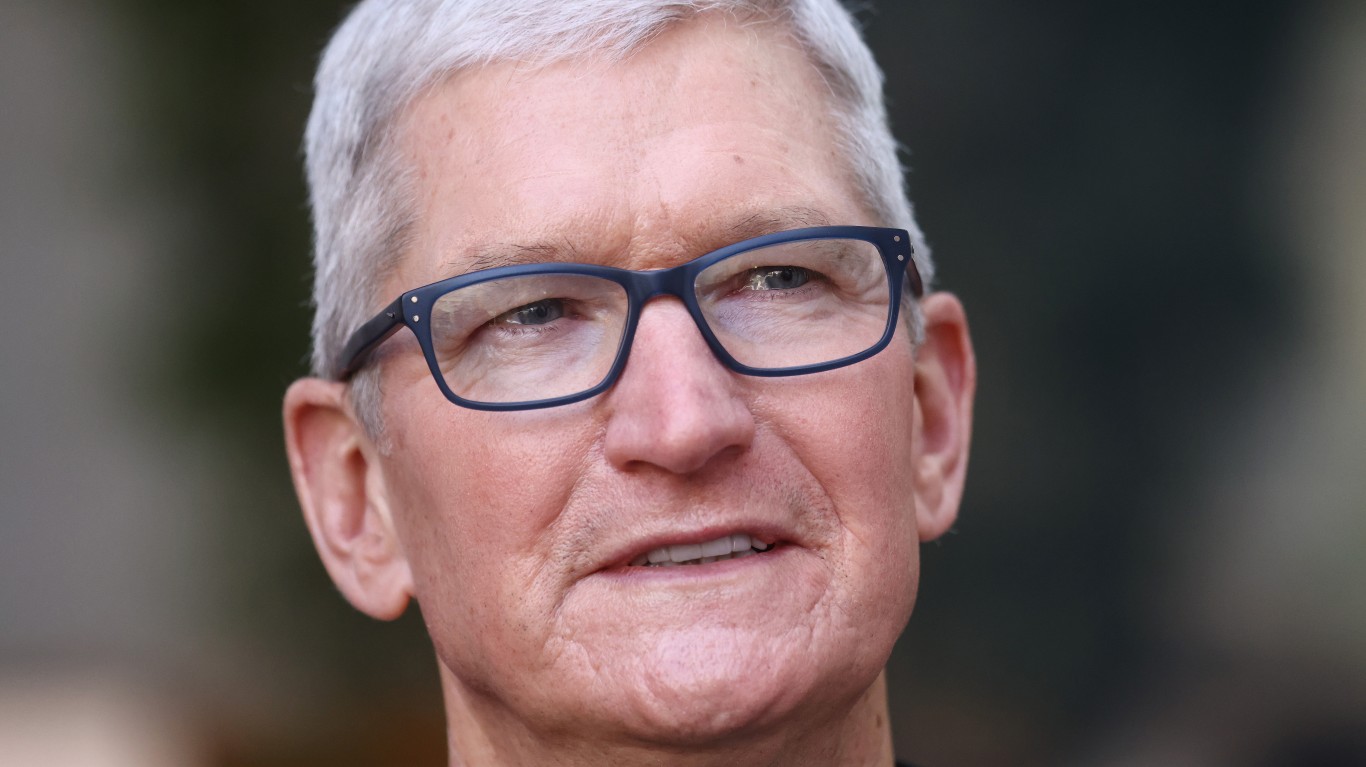
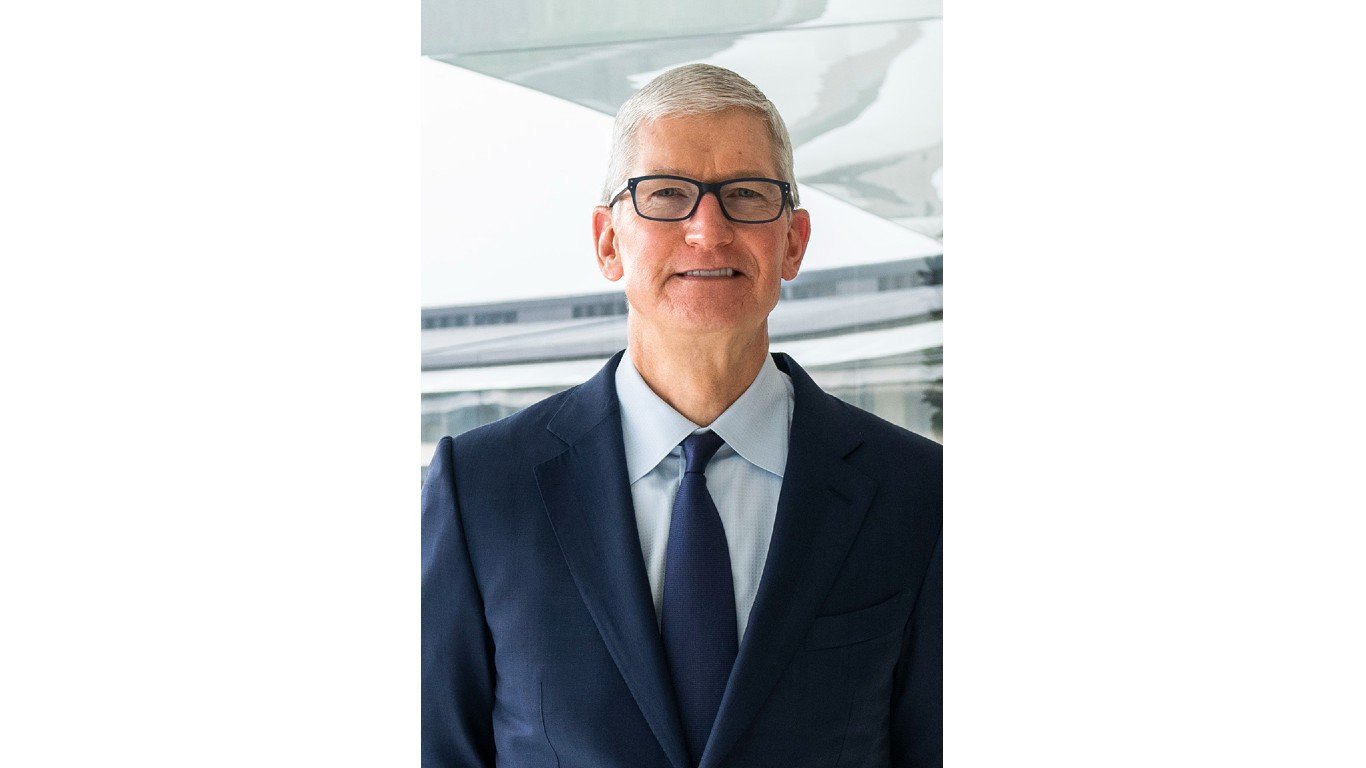
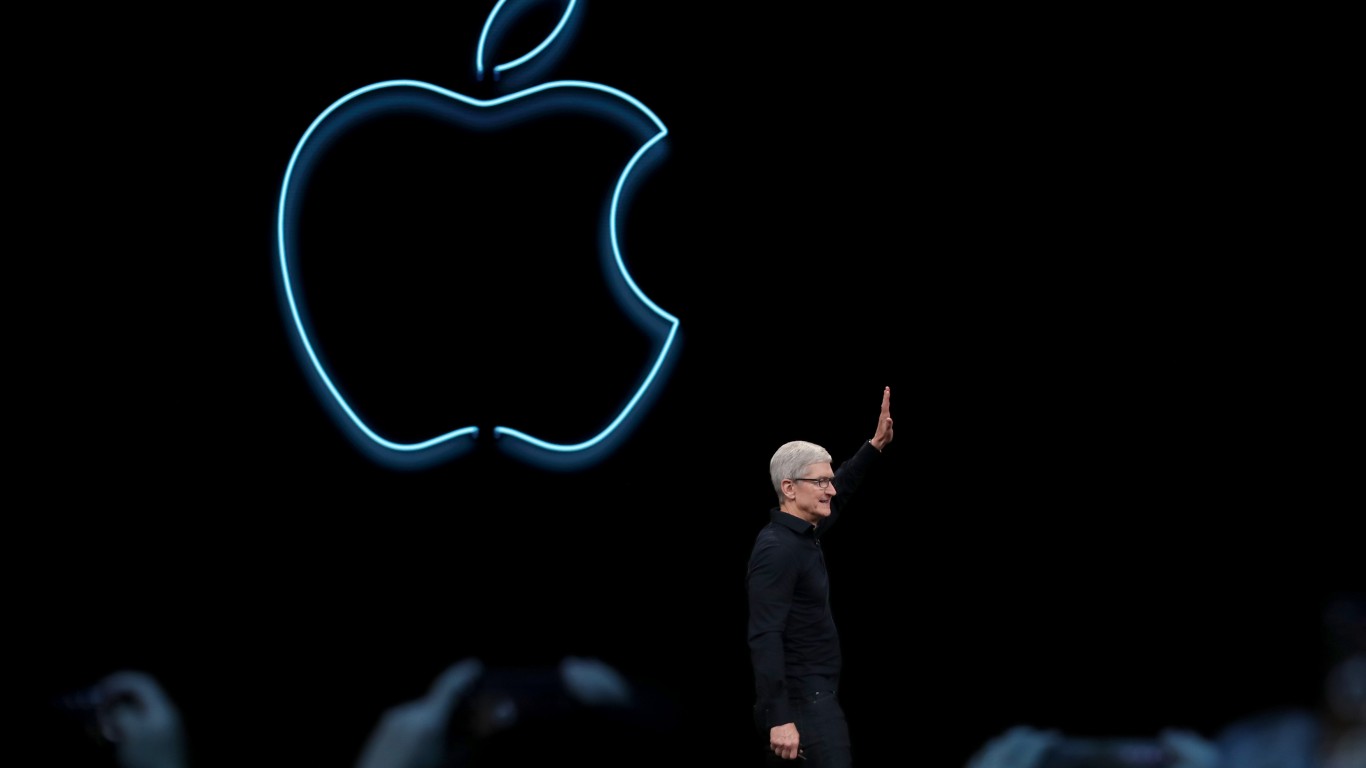
Apple (NASDAQ: AAPL) just delivered the most newsworthy chair transition in years. On April 20, 2026, Apple announced Cook becomes executive chair effective September 1, with John Ternus, SVP Hardware Engineering, taking over as CEO. Cook will assist with engaging policymakers worldwide, and Arthur Levinson shifts to lead independent director role. The policymaker focus signals how central geopolitics and regulation have become. Cook’s tenure took Apple from roughly $350 billion to $4 trillion in market cap, a 2,517.94% total return since August 24, 2011. Q2 FY26 delivered record March-quarter revenue of $111.18 billion (+16.6%), EPS of $2.01, iPhone revenue of $56.99 billion, and a $100 billion buyback authorization. Cook said it himself: “Today Apple is proud to report our best March quarter ever.” Ternus inherits operating authority from inside, the structural feature that typically makes these handoffs succeed.
What This Pattern Means for Investors
The board chair role is governance shorthand. Worry more when the role is open-ended, when the new CEO lacks operating authority, or when the outgoing leader has a history of returning. Worry less when the chair seat is time-boxed, the successor came from inside, and equity alignment stays intact. Cook’s Apple transition checks the calming boxes; Iger’s Disney saga is the warning. For long-horizon investors, reading the chair arrangement is part of reading the stock.
Contact [email protected] for any questions or corrections.
Trey has been an editor and author at 24/7 Wall St. for more than a decade, where he has published thousands of articles analyzing corporate earnings, dividend stocks, short interest, insider buying, private equity, and market trends. His comprehensive coverage spans the full spectrum of financial markets, from blue-chip stalwarts to emerging growth companies.
Beyond 24/7 Wall St., Trey has created and edited financial content for Benzinga and AOL's BloggingStocks, contributing additional hundreds of articles to the investment community. He previously oversaw the 24/7 Climate Insights site, managing editorial operations and content strategy, and currently oversees and creates content for My Investing News.
Trey's editorial expertise extends across multiple publishing environments. He served as production editor at Dearborn Financial Publishing and development editor at Kaplan, where he helped shape financial education materials. Earlier in his career, he worked as a writer-producer at SVE. His freelance editing portfolio includes work for prestigious clients such as Sage Publications, Rand McNally, the Institute for Supply Management, the American Library Association, Eggplant Literary Productions, and Spiegel.
Outside of financial journalism, Trey writes fiction and has been an active member of the writing community for years, overseeing a long-running critique group and moderating workshop sessions at regional conventions. He lives with his family in an old house in the Midwest.