Bill Ackman Bought Google After the ChatGPT Panic (Up 300%). He Bought Amazon After Liberation Day (Up 36%). Now He’s Backing Up The Truck Again.
Although Wall Street has spent the better part of two years lecturing investors that the AI trade is crowded, the capex bill is unpayable, and the mega-caps have run out of room to grow, Bill Ackman keeps surfacing at exactly…

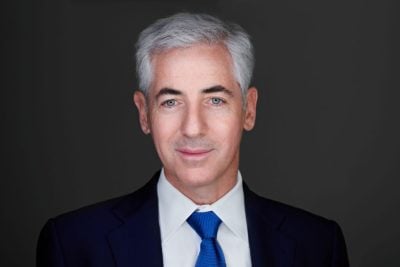
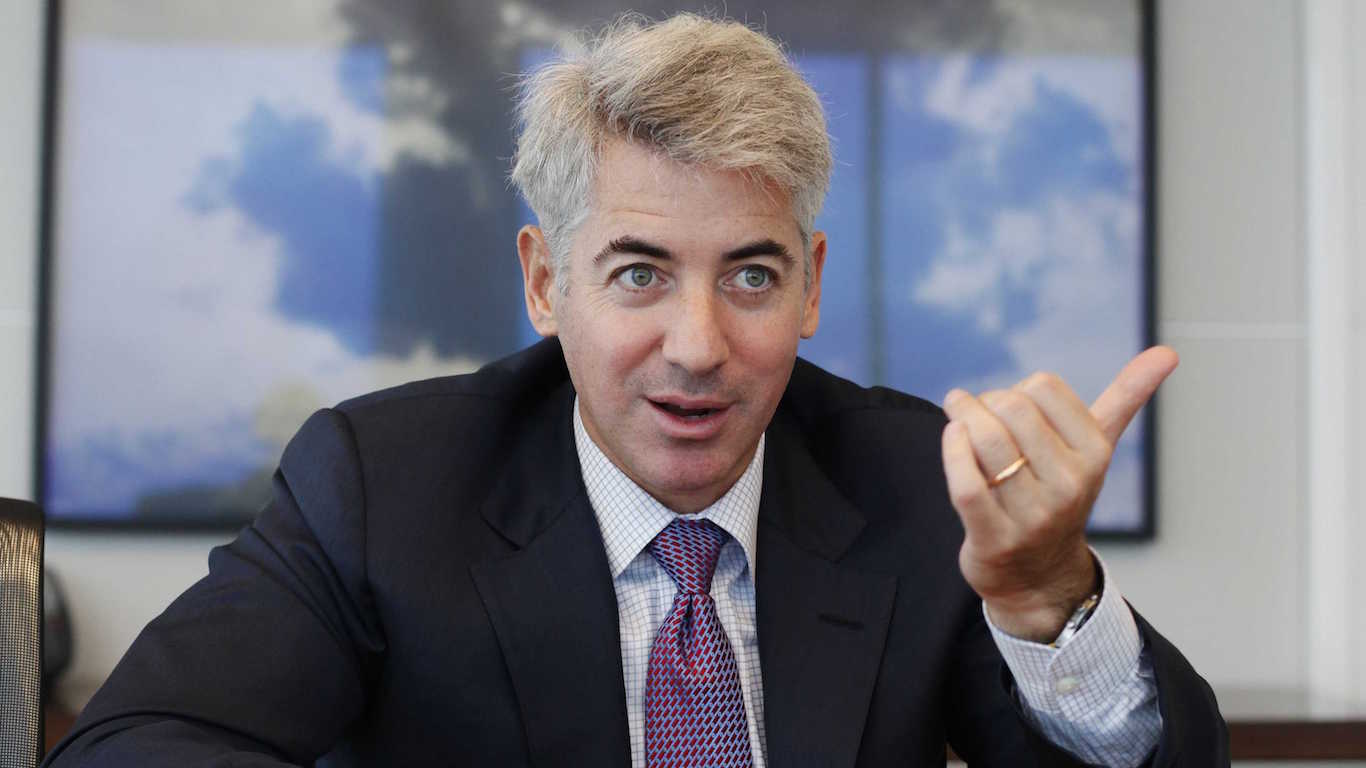
Although Wall Street has spent the better part of two years lecturing investors that the AI trade is crowded, the capex bill is unpayable, and the mega-caps have run out of room to grow, Bill Ackman keeps surfacing at exactly those moments to buy.
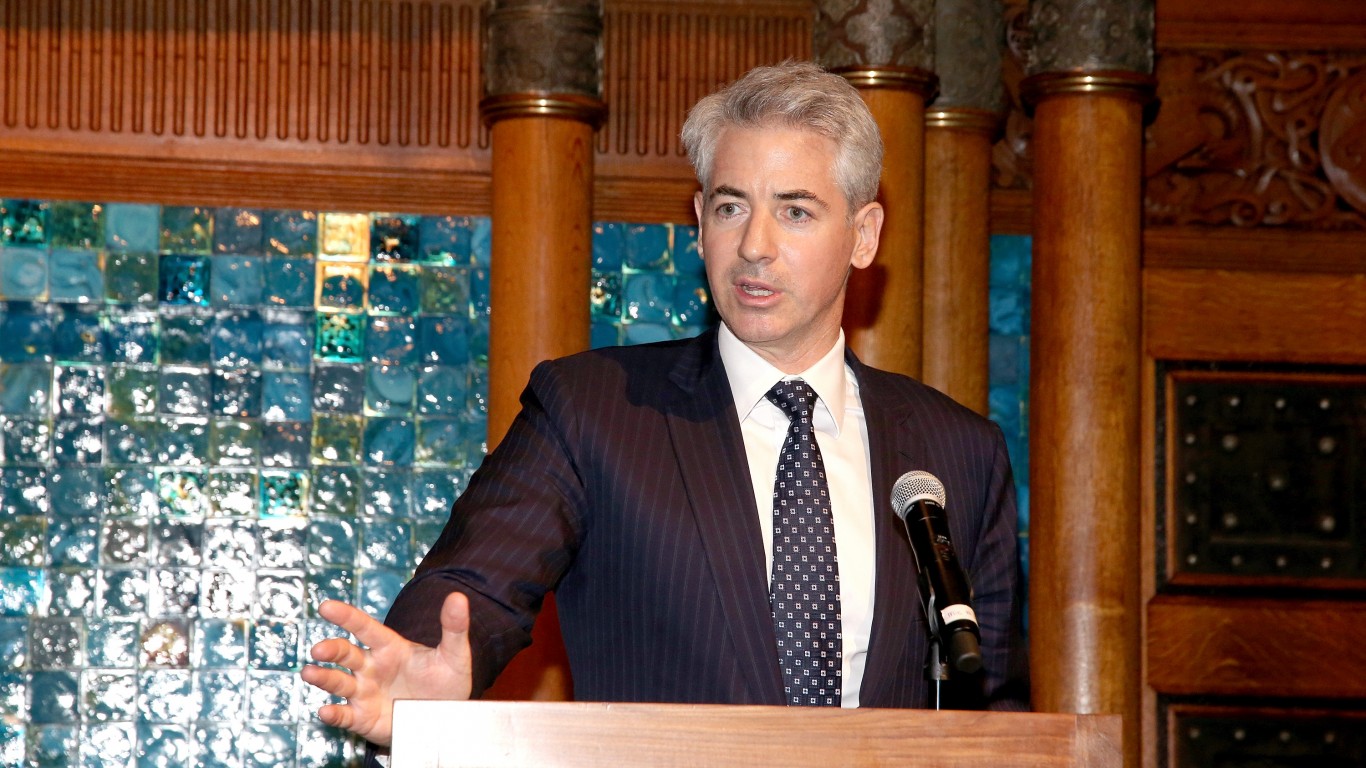
His Pershing Square just disclosed a new position in Microsoft (NASDAQ:MSFT | MSFT Price Prediction) on May 15, 2026, and Ackman called the valuation “highly compelling” in an X post tied to the filing. He began accumulating the stake in February 2026, right after the December quarter spooked the market with slower cloud growth and a swelling capex ramp. The pattern this completes is the part worth studying.

The Pattern, Measured From the Panic
Start with Alphabet (NASDAQ:GOOGL). Pershing built the position after the ChatGPT release in late 2022, when Wall Street had decided that generative AI would gut Google Search. From December 1, 2022 through May 14, 2026, the technology-packed Nasdaq favorite has vaulted roughly 300%, from $100.16 to $401.07 on a split-adjusted basis.
Perishing’s actual cost basis and returns will vary a bit from these peak moments of fear to today, of course.
Amazon (NASDAQ:AMZN) was the 2025 entry. Pershing piled into the e-commerce and cloud titan after President Trump’s “Liberation Day” tariffs on April 2, 2025 rattled retail names with import exposure. From that day through May 14, 2026, Amazon has gained roughly 36%, climbing from $196.01 to $267.22. The most recent Amazon quarter reinforced the buy: AWS revenue of $37.59 billion grew 28%, the fastest pace in 15 quarters.
Then came Meta Platforms (NASDAQ:META), which Pershing added after Meta’s capex forecast rattled investors. Meta is down 6% year to date, but the underlying business is doing things that do not look like a thesis-breaker. Q1 ad revenue rose 33% with ad impressions up 19% and pricing up 12%. Family daily active people hit 3.56 billion.
Why Microsoft Fits the Mold
Now to the new buy. Microsoft is down 15% year to date, closing at $409.43 on May 14, even after a quarter that crushed expectations. The Q3 fiscal 2026 report doled out EPS of $4.27 against a $4.07 consensus, on revenue of $82.89 billion growing 18%. Azure expanded 40%. The AI business reached a $37 billion annualized run rate, up 123% year over year. Commercial remaining performance obligations, the contracted-revenue backlog that tells you what is already booked, sit at $627 billion.
What scared the market: the $190 billion 2026 spending plan Ackman is endorsing, and the loosened OpenAI deal, which strips Microsoft of its exclusive rights to resell OpenAI tech on Azure. Ackman dismissed both concerns: Azure competition from Google and Amazon, and the partnership change. Reddit captured the mood plainly. The most-upvoted MSFT post on May 14 was titled “This is getting ridiculous”, with 1,066 upvotes.
The Valuation Gut Check
Microsoft trades at a trailing P/E of 24 with a forward multiple of 21. That is the cheapest the stock has been relative to its growth profile in years. Compare that to operating margins of 46%, return on equity of 34%, and 51 buy ratings against zero sells from Wall Street analysts. The composite analyst target sits at $561.56. Polymarket’s crowd shows a 98.7% probability MSFT closes above $390 on May 15.
What the Pattern Actually Tells You
Three names, three different panics, three positive outcomes so far. That is a small sample. Pattern-watchers should be honest about that. The signal here is that mega-cap businesses with durable competitive moats tend to absorb narrative shocks faster than the headlines suggest, and that buying them when sentiment is cratering has historically rewarded patience. The reverse case is also live: if you believe Microsoft’s capex will not earn its cost of capital, that AWS and Google Cloud out-execute Azure, or that OpenAI’s independence guts the partnership economics, the bear thesis writes itself.
Long term, Wall Street has a way of rewarding investors who buy quality during loud panics. Whether this Microsoft entry mirrors the 300% Alphabet rerating or the steadier 36% Amazon recovery, the precedent is the part worth remembering. Ackman is betting that the third time confirms the pattern. The rest of us get to mark the date and revisit the results in 18 months.
Contact [email protected] for any questions or corrections.
I've been writing about stocks and personal finance for 20+ years. I believe all great companies are tech companies in the long run, and I invest accordingly.