Stop Obsessing Over Interest Rates. Focus on These 3 Moves Instead
Investors have spent the past year glued to every Federal Reserve press conference and Treasury auction. The 10-year Treasury yield sits at 4.46% as of May 13, 2026, up 0.16% from a month ago, and the federal funds rate has…


Investors have spent the past year glued to every Federal Reserve press conference and Treasury auction. The 10-year Treasury yield sits at 4.46% as of May 13, 2026, up 0.16% from a month ago, and the federal funds rate has held at 3.75% since December 11, 2025 after three 0.25% cuts in the fall. Andrew Sather, co-host of The Investing for Beginners Podcast, thinks most of that attention is wasted energy.
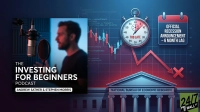
On a recent episode titled Why High Interest Rates Are Good For You, Sather argued that rate-watching rarely changes outcomes for everyday investors. “Can you live and build a ton of wealth and just have no idea about where interest rates have gone, where they will go, probably like you’ll probably be fine,” he said. Reflecting on his own habits, he added, “Would my life have changed if I never went on my interest rate rabbit holes? Like, as an average person with my average finances, probably not.”
The numbers back him up. The SPDR S&P 500 ETF (NYSEARCA:SPY) has returned 261.82% over the past decade, climbing from $206.78 on May 16, 2016 to $748.17 on May 14, 2026. That decade spanned zero-rate policy, the fastest hiking cycle in 40 years, a pandemic, and the recent partial easing. Investors who simply stayed in the market collected the gain regardless.
Move 1: Save Enough
The personal savings rate tells a worrying story. U.S. households saved just 4% of disposable income in 2026 Q1, down from 6.2% in 2024 Q1. Sather’s first principle is to fix that personally before worrying about macro headlines. He emphasizes “saving enough, automating, making sure you’re putting money in the market all the time.”
Move 2: Automate
Automation removes the temptation to time the market around Fed meetings. With University of Michigan consumer sentiment sitting at 53.3 in March 2026, in pessimistic territory and below 73% of historical readings, the emotional pull to wait for “clarity” is strong. Automatic 401(k) contributions and scheduled brokerage transfers neutralize that impulse.
Move 3: Stay Invested Through the Noise
The VIX spiked to 31.05 on March 27, 2026 before settling back to 17.26 by May 14, a reminder that fear cycles pass quickly. Real GDP grew 2.0% in 2026 Q1 after a soft 0.5% reading in 2025 Q4, illustrating that the economy keeps moving in cycles no individual investor controls.
Sather concedes the basics are “not as exciting as let’s talk about the Fed and if they’re doing a great job or not,” but he argues they “make the most impact for most people personally.” The full episode is available on the Investing for Beginners Podcast site. The quiet wealth-building work happens between Fed meetings, not during them.
Contact [email protected] for any questions or corrections.
I've been writing about stocks and personal finance for 20+ years. I believe all great companies are tech companies in the long run, and I invest accordingly.