Kevin Warsh Sworn In as Fed Chair With Lowest Senate Votes Ever Amid Independence Concerns
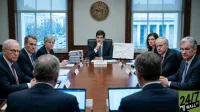
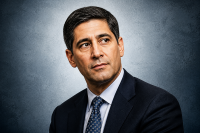
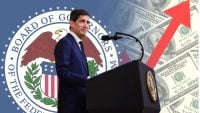
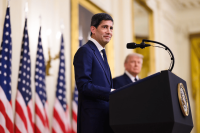
Kevin Warsh takes the oath as Federal Reserve chair on Friday in a White House ceremony, only the second Fed swearing-in held at the executive mansion in nearly 40 years. The last was Ronald Reagan hosting Alan Greenspan in 1987,…

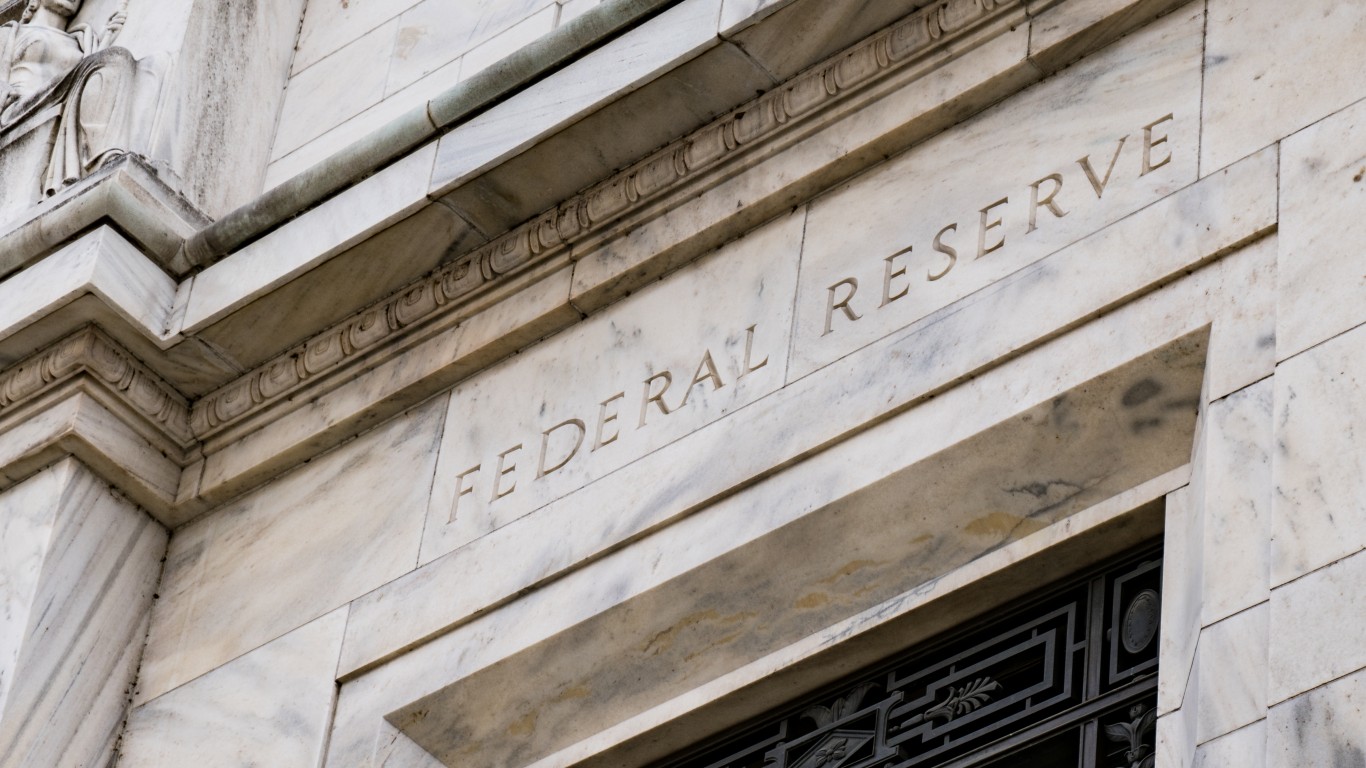
Kevin Warsh takes the oath as Federal Reserve chair on Friday in a White House ceremony, only the second Fed swearing-in held at the executive mansion in nearly 40 years. The last was Ronald Reagan hosting Alan Greenspan in 1987, a tableau the Trump White House is happy to revive.
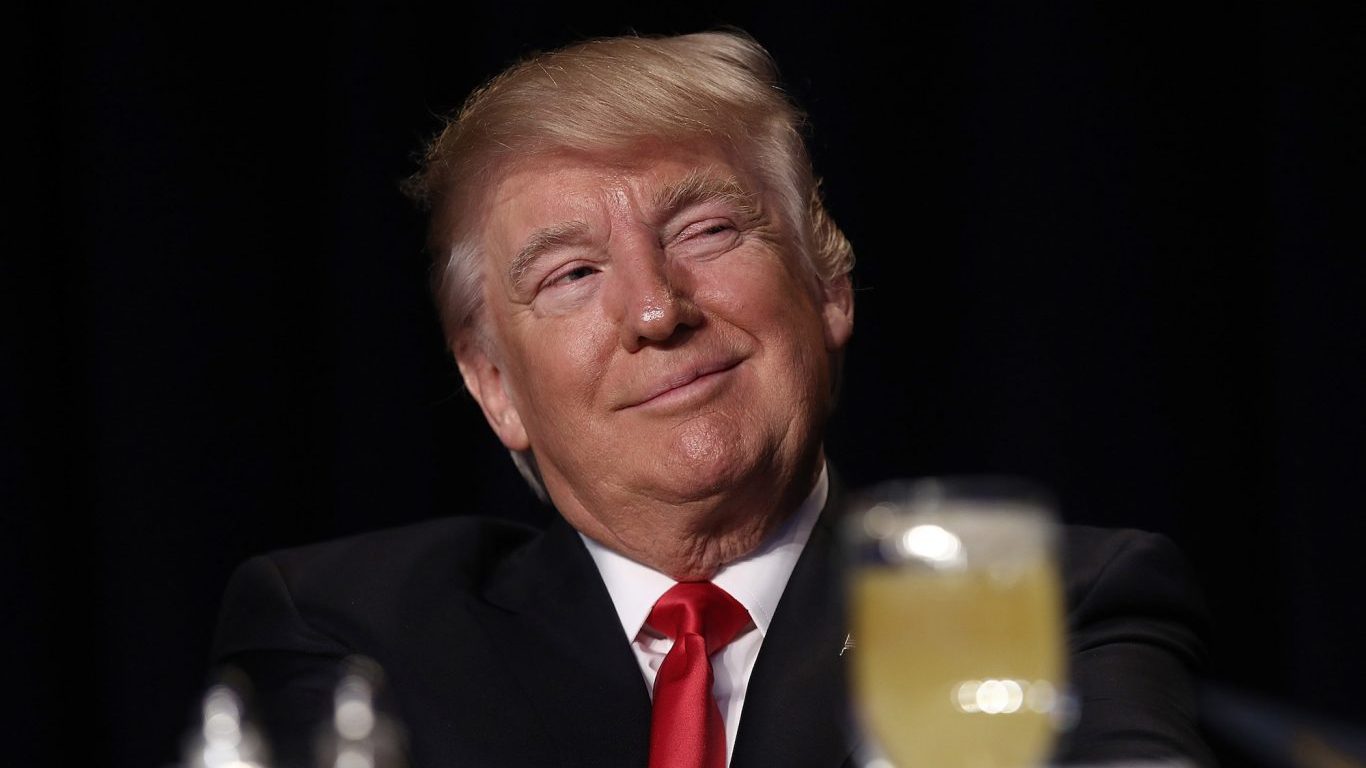
The optics matter because Warsh was confirmed with the lowest number of Senate votes in Fed history, a margin built almost entirely on doubts about whether he would operate as a presidential loyalist willing to deliver the rate cuts the administration wants.
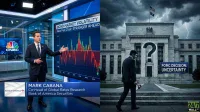
And yet the more interesting read came from CNBC’s Mike Santoli on Squawk on the Street, who flipped the conventional worry on its head. “I think the data and the composition of the committee are basically gifts to him because they give cover to why we can’t cut rates today,” Santoli said, adding that “his sort of the influence of the president on Warsh peaks the moment he’s confirmed.”
Why the macro backdrop protects him
Start with the inflation picture. Headline PCE ran at 3.5% year over year in March 2026, up from 2.83% in February, and core PCE accelerated to 3.2%. Energy was the kicker, with a 14.43% year-over-year reading and an 11.56% month-over-month spike, much of it tied to the Iran conflict that S&P Global (NYSE:SPGI | SPGI Price Prediction) says is doing “increasingly evident” damage to growth and prices. CPI tells the same story. The index climbed from 325.252 in January 2026 to 333.020 in April, a steady monthly grind higher.
None of that builds a case for easing. Recent FOMC minutes show a committee entrenched in a hawkish direction, and markets are not pricing meaningful near-term cuts. So when the new chair sits down at his first meeting and explains why policy stays put, he has the staff projections, the dot plot, his colleagues, and the tape all backing him up.
The bond market is doing the talking
Then there is the yield curve, which is the loudest voice in the room. Warsh inherits the highest ten-year Treasury yield of any incoming Fed chair since Greenspan in 1987, when the ten-year sat above 8%.
As of May 21, 2026, the 10-year sits at 4.56%, with the 30-year at 5.06% and the 2-year at 4.08%. The 10-year has climbed from 4.39% on May 1 to 4.57% on May 21, touching 4.67% on May 19 before fading.
A long end behaving like this is the bond market’s way of saying that cuts at the front would be answered with selling at the back. That steepens the curve and tightens financial conditions through mortgage rates and corporate spreads. That is the opposite of what a White House angling for cheaper money would want from its handpicked chair.
What this means for investor positioning
The setup carries practical implications. Duration risk remains the cleanest expression of conviction either way. Holders of long Treasuries are betting that the front end will eventually capitulate before the back end gives more ground, which a credibly independent Warsh actually supports.
The rate-sensitive equity complex, regional banks, REITs, small caps loaded with floating-rate debt, has spent months waiting for relief that the data are not delivering. Bank of America (NYSE:BAC) earnings remain highly sensitive to Fed policy and loan demand, and the broader banking tape is reacting to every twitch in the rate-cut debate.
The Greenspan-at-the-White-House staging is the flavor of the day. The substance is that Warsh’s political leash is tightest now and slackens with every meeting he holds the line. For investors, the operating assumption should be that the policy floor under rates is firmer than the confirmation drama implied, and that the curve is setting the terms, while the chair is not. Watch the next FOMC statement for the first real test of how that floor holds.
Contact [email protected] for any questions or corrections.
Omor Ibne Ehsan is a writer at 24/7 Wall St. He is a self-taught investor with a focus on growth, cyclical, and dividend equities that have strong fundamentals, value, and long-term potential. He also has an interest in high-risk, high-reward investments such as penny stocks.