NUKZ Caught the Nuclear Restart Wave But Holds Less Than $1 Billion in Assets, And That Liquidity Cliff Matters
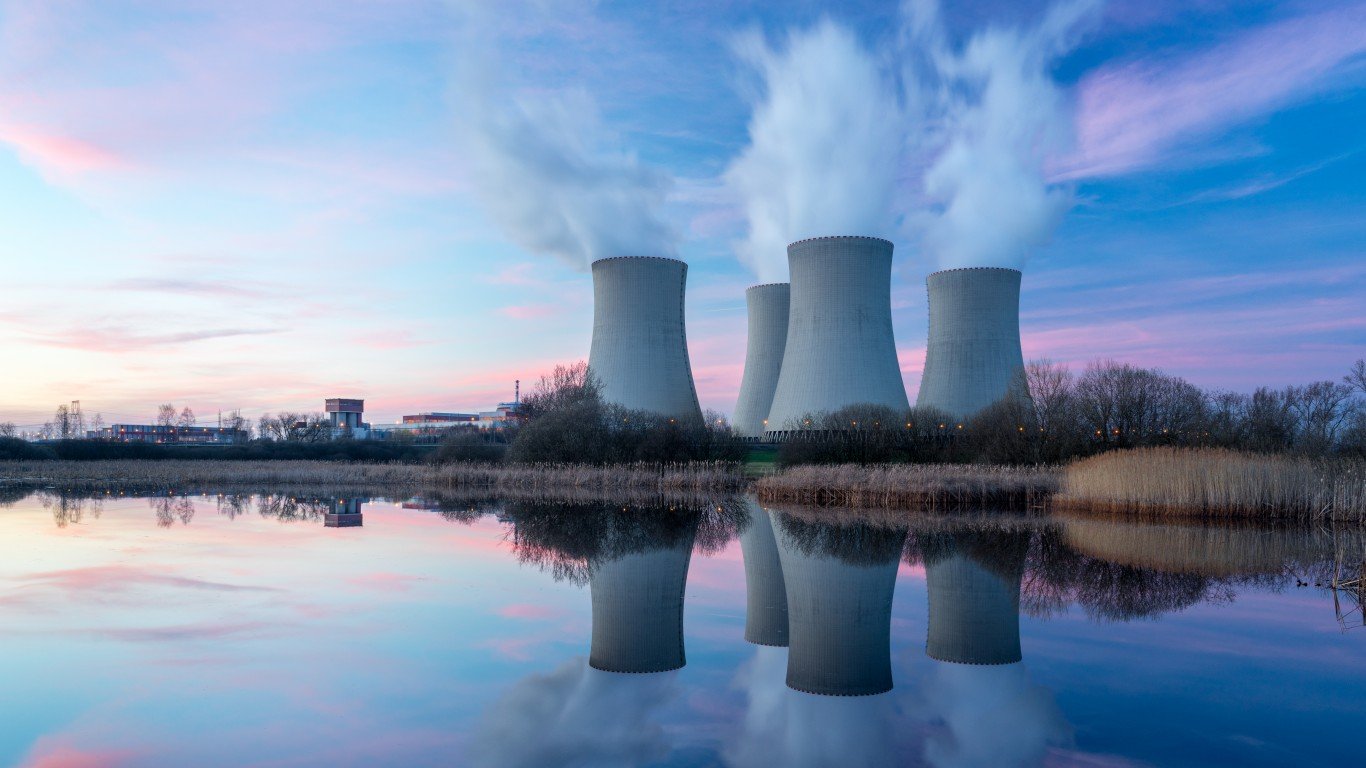
The narrative was irresistible. AI data centers need power, nuclear is the answer, and the Range Nuclear Renaissance Index ETF (NASDAQ:NUKZ) wears the trade right on the label. Launched in 2024, NUKZ has delivered, riding the restart story to a…


The narrative was irresistible. AI data centers need power, nuclear is the answer, and the Range Nuclear Renaissance Index ETF (NASDAQ:NUKZ) wears the trade right on the label. Launched in 2024, NUKZ has delivered, riding the restart story to a one-year gain of 53%.
The question is whether NUKZ deserves a spot in your portfolio when peer funds and a single uranium stock offer similar exposure with fewer structural problems.
What you are actually buying
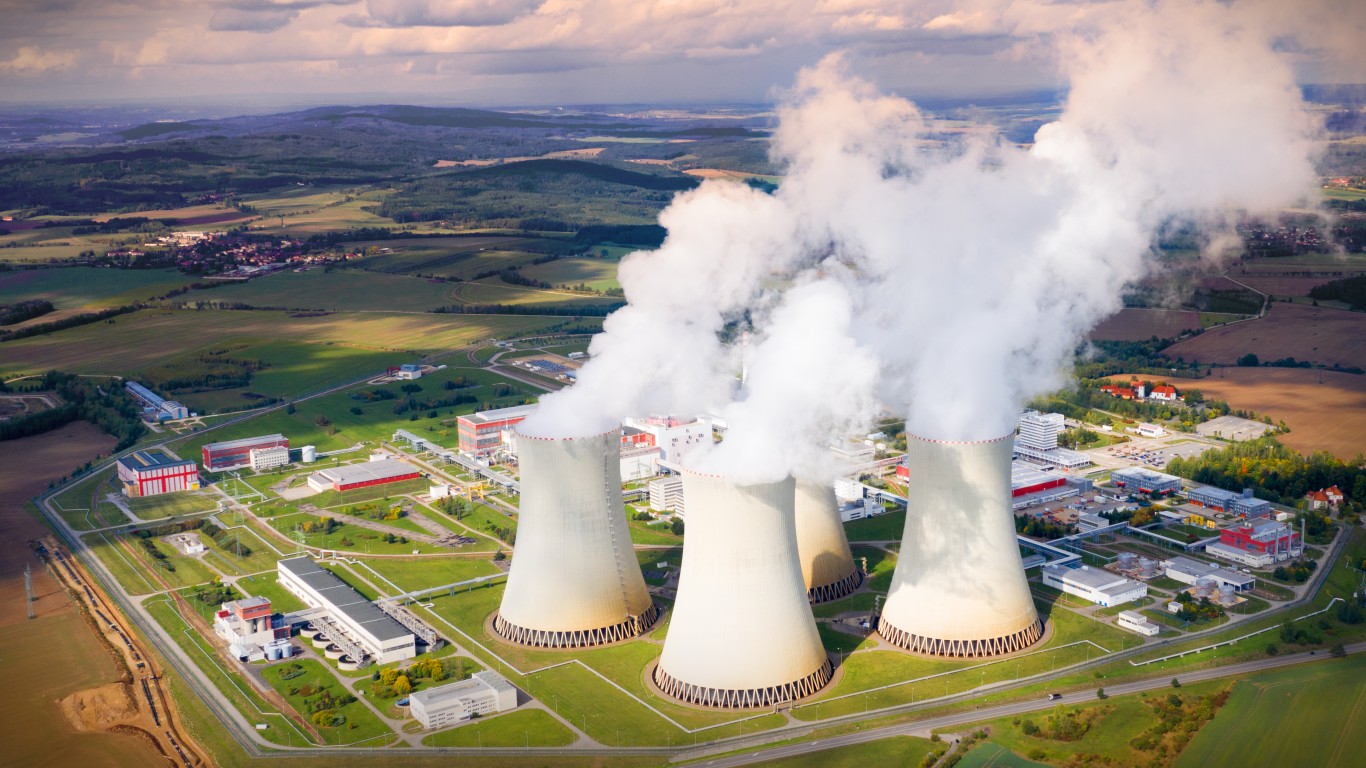
NUKZ tracks companies tied to the nuclear ecosystem: utilities running reactors, uranium miners, fuel processors, and engineering firms building next-generation small modular reactors. That is wider than a pure uranium play. The return engine is equity exposure to capital flowing into the restart and buildout cycle. You own operating businesses whose earnings should benefit if the AI power demand thesis holds. The expense ratio runs roughly 0.85%, which sits above cleaner alternatives in this corner of the market.
Compare that to Sprott Uranium Miners ETF (NYSEARCA:URNM), which charges 0.75% and concentrates on miners with Cameco (NYSE:CCJ | CCJ Price Prediction) at 21% of the portfolio and Sprott Physical Uranium Trust at 14%. URNM is a bet on the rock and the people pulling it out of the ground. NUKZ is a bet on everyone downstream too.
URNM vs NUKZ: the gap you should consider
Year to date, NUKZ is up 11%, ahead of URNM at 6%. But zoom out one year and URNM gained 63% against NUKZ at 53%, and a direct position in Cameco (NYSE:CCJ) returned 101%. Cameco shares trade around $104 with and they cost you nothing in expense ratio.
Over the past month NUKZ is flat, while URNM dropped 13% and Cameco lost 10%. The diversified wrapper cushioned the drawdown. If you cannot stomach a 20% slide in your nuclear sleeve, the broader basket earned its fee that month.
Why sub-$1 billion AUM is the actual risk
NUKZ holds $870 million in assets. That is operationally viable but thin against Global X Uranium ETF (NYSEARCA:URA), which carries about $6.86 billion. Small thematic ETFs trade fine on calm days.
The problem shows up in stress. Bid-ask spreads on smaller themed ETFs typically widen 50% to 200% during market sell-offs, which means the exit door narrows precisely when you most want to use it. Authorized participants who arbitrage NAV to price step back when underlying holdings get volatile, and the retail investor selling into a thin book pays the difference in real dollars.
Three tradeoffs worth weighing before you size a position:
- Liquidity asymmetry. The fund prices cleanly today, but a sharp correction in nuclear equities will widen spreads faster in NUKZ than in URA or Cameco itself. If you trade in and out, this is a tax on every round trip.
- Theme valuation stretch. Nuclear utilities are pricing in continued AI capital expenditure at current run rates. Vanguard’s 2026 outlook flags AI investment buildout stalling as the key risk to U.S. growth. A capex pause hits NUKZ holdings before it hits the S&P 500.
- Fee drag against a free alternative. The 0.85% expense ratio compounds against zero for direct Cameco ownership and 0.75% for URNM. Over five years on a $10,000 position, that is real money for largely the same factor exposure.
Who NUKZ actually fits
NUKZ makes sense as a 3% to 5% thematic sleeve for an investor who wants nuclear exposure broader than uranium mining, accepts that the wrapper will lag a single winning stock, and plans to hold through the cycle rather than trade headlines.
Anyone who would sell during a 25% drawdown should buy Cameco or URA instead, where liquidity holds up under pressure. The fund caught the wave. The wave is what you are exposed to, and the boat is smaller than it looks.
Contact [email protected] for any questions or corrections.
Omor Ibne Ehsan is a writer at 24/7 Wall St. He is a self-taught investor with a focus on growth, cyclical, and dividend equities that have strong fundamentals, value, and long-term potential. He also has an interest in high-risk, high-reward investments such as penny stocks.