Ripple (XRP) News: Elizabeth Warren Says Ripple’s Bank Charter Was Granted Illegally
For months, Ripple’s (CRYPTO: XRP) national bank charter has been sold as the thing that finally pulls XRP into the regulated financial system. It was the legal key, the proof that Ripple had grown from a payments company into something…

This post may contain links from our sponsors and affiliates, and Flywheel Publishing may receive compensation for actions taken through them.
For months, Ripple’s (CRYPTO: XRP) national bank charter has been sold as the thing that finally pulls XRP into the regulated financial system. It was the legal key, the proof that Ripple had grown from a payments company into something the banks themselves would have to take seriously.
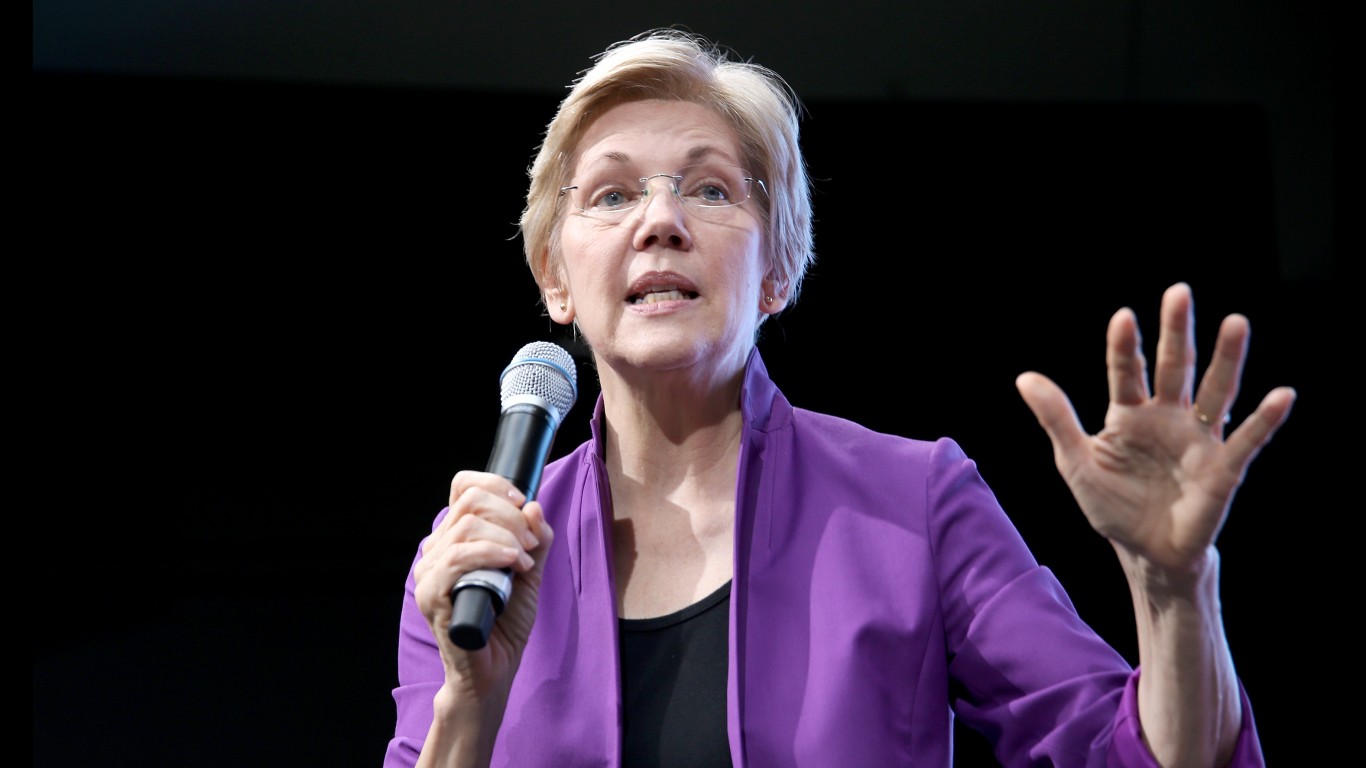
Now one of the most powerful critics in the Senate says it shouldn’t exist. Elizabeth Warren has gone to the regulator that approved the charter and asked, in effect, how it was ever allowed in the first place.
So is she right, and does this put Ripple’s charter, and the bullish argument built on it, at risk?
What Elizabeth Warren Said About Ripple’s Charter

Warren’s letter didn’t actually go to Ripple directly. It went to the Office of the Comptroller of the Currency (OCC), the regulator that hands out these charters, on May 18.
In it, she accused the agency of illegally approving national trust charters for nine crypto firms since December, with Ripple among them. Her argument was that these companies are “effectively crypto banks that want to evade the fundamental safeguards and obligations that come with being a bank.” So the complaint covers the whole group, from Coinbase to Circle to Paxos, not Ripple on its own.
Warren gave the OCC until June 1 to hand over the full charter applications, the legal reasoning behind each approval, and its communications with the Trump family about the decisions.
That last demand is the politically charged one. Warren has tied the speed of these approvals to Trump-administration influence, and she has pointed out that the Trump family’s own crypto venture, World Liberty Financial, is in line for the same kind of charter. She frames the whole thing as a regulator bending the rules for a favored industry, though that remains her allegation rather than a proven fact.
Still, it helps to be clear about what this is. Demanding answers is not the same as overturning anything, and Ripple’s charter is still standing while the company moves toward operating under it.
Why Warren Says the Charters Break the Law

Her case rests on a line drawn in the National Bank Act. A trust company is allowed to do a fairly narrow job, holding and safeguarding clients’ assets. A full bank is the thing that takes deposits and makes loans, and it answers to much stricter rules and capital requirements as a result.
Warren’s argument is that these firms applied for the narrow trust charter while writing business plans stuffed with things only a full bank should do, including facilitating payments, extending loans, and issuing stablecoins. They want the powers of a bank, in other words, without the obligations that are supposed to come with them.
The applications give her something to point at. One firm described plans for a lending and borrowing platform; another listed staking, financing, and trading services. Ripple’s charter centers on managing the reserves behind its RLUSD stablecoin and holding digital assets in custody for big institutions.
Warren calls this regulatory arbitrage, taking the lighter license to do the heavier job, and she argues it leaves the wider banking system carrying risks nobody signed off on. It’s a real legal question, not just political theater. The line between a trust company and a bank is a genuine one, and exactly where stablecoins and crypto custody fall along it has never been fully settled.
Why the Industry Says the Charters Are Legal

The crypto industry isn’t taking the accusation quietly. The Digital Chamber, one of the sector’s biggest trade groups, wrote to the same regulator to defend the charters.
Its main argument is that Congress already blessed this. The GENIUS Act, signed in 2025, created the first federal rulebook for stablecoin issuers, so it would make little sense for the OCC to then turn around and refuse to charter the very firms that law was built to regulate.
The group also argues these companies aren’t banks in the way Warren implies, because they don’t take the FDIC-insured deposits that trigger the strictest banking rules. Warren has a ready answer to the first point, as she says the GENIUS Act never changed the trust-charter rules in the National Bank Act, so it can’t be used to stretch what a trust company is allowed to do.
This isn’t a clean fight between crypto and the establishment, though. Traditional bank lobbyists actually side with Warren here, since they aren’t thrilled about watching crypto firms pick up banking privileges through a side door. So, Ripple and its peers are pushing back on two fronts at once.
The OCC, for its part, has stood by the charters as squarely within its authority. For now, it’s a standoff, with a deadline attached.
What This Means for Ripple and XRP
Nothing has been undone. Warren’s letter is pressure and a paper trail, not a ruling, and Ripple’s charter is still moving toward going live. The date that matters is June 1, when the OCC’s response will start to show whether this grows into something with real legal teeth or settles into routine oversight noise.
Even so, it’s the first serious political challenge to the charter the bullish argument leans on, and it carries unusual weight because the bank lobby is pulling in the same direction as Warren. If these charters ever did get unwound, the institutional foundation Ripple has spent two years building would take a real hit.
But here’s the thing to keep straight. This is a fight over Ripple, the company’s banking license, not over XRP itself. Even a win shows up on Ripple’s balance sheet first, and the token only gains if XRP or RLUSD get wired directly into what that charter unlocks.
A loss would bruise sentiment, but a win doesn’t automatically lift the coin. Do, this is a fight over Ripple’s future as a bank, whether XRP rides along is, as always, a separate question.
Contact [email protected] for any questions or corrections.
Sam Daodu is a crypto analyst who's spent nearly a decade making blockchain understandable—no easy task when most whitepapers read like fever dreams. He writes for 24/7 Wall St., covering Bitcoin, altcoins, and crypto market analysis for investors. Before crypto, he was a tech writer (back when explaining "the cloud" was peak innovation). Since 2018, he's written for CoinTelegraph, Yahoo Finance, The Block, Cryptonews, Zypto, Rain, and more—basically anywhere people want crypto news without the headache. Sam runs MacLabs Marketing, a content agency for crypto brands tired of sounding like AI wrote their website. He also publishes free crypto education on his site for Web3 enthusiasts who think "gas fees" is a typo. When he's not writing or staring at charts, Sam's either: - Watching anime (currently convinced One Piece has better tokenomics than most altcoins) - At the gym sculpting himself into a Greek god - Listening to the music your mum warned you only bad boys listen to Connect: LinkedIn | Email | MacLabs Marketing