24 Hours Until the Fed’s Big Announcement: Here’s What We Know as of Now
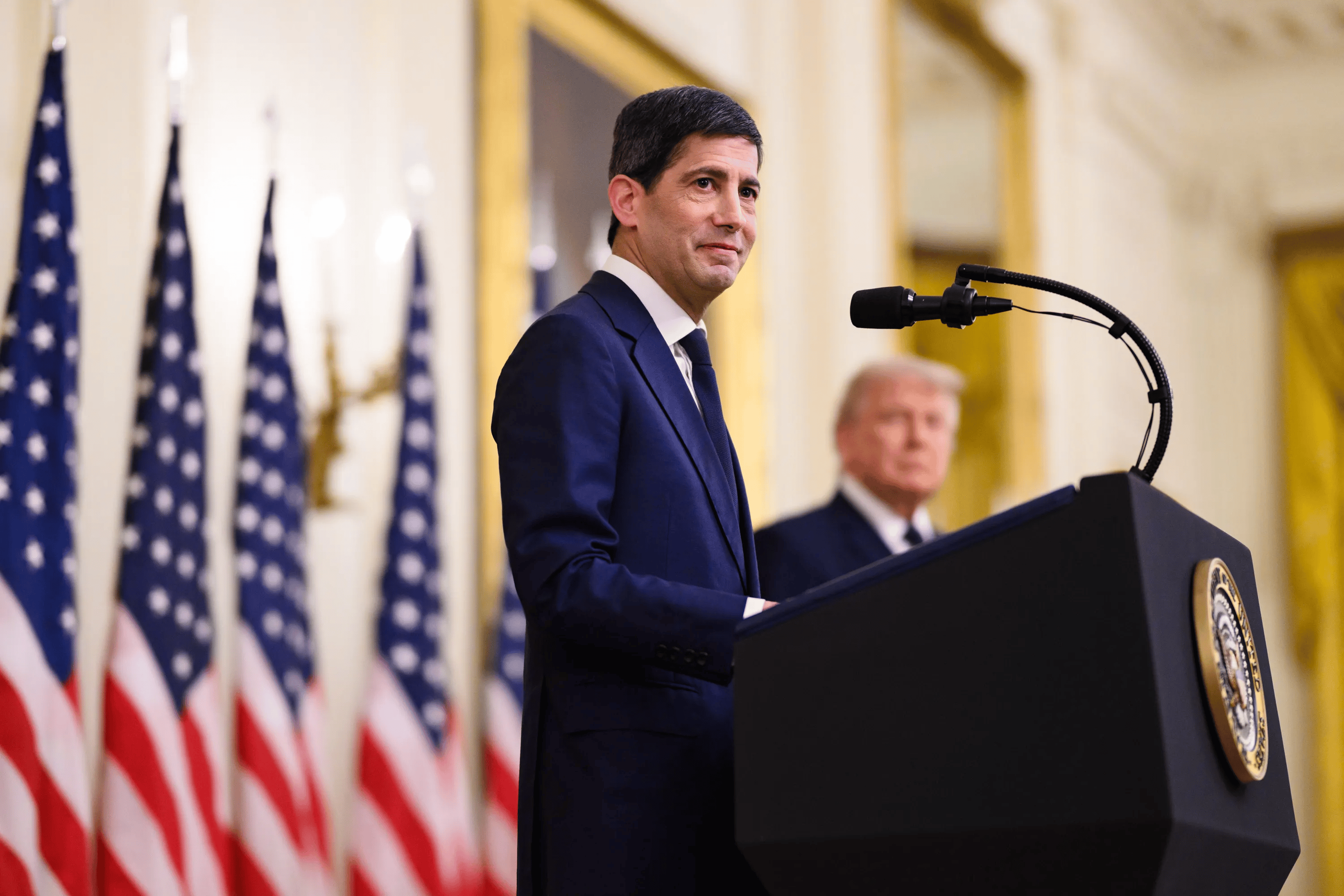
All eyes will be on the Federal Reserve this Wednesday, June 17, 2026, as Kevin Warsh presides over his first meeting as the new Fed Chair. Warsh was sworn in on May 22, 2026, after being nominated by President Trump.…

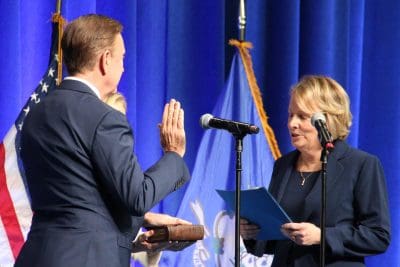
All eyes will be on the Federal Reserve this Wednesday, June 17, 2026, as Kevin Warsh presides over his first meeting as the new Fed Chair. Warsh was sworn in on May 22, 2026, after being nominated by President Trump.
When Trump selected Warsh, it was likely with the hope that Warsh would be more aggressive in reducing interest rates than his predecessor, Jerome Powell. While the chairman doesn’t unilaterally control the direction of rates, Powell had urged a more cautious approach towards easing, drawing the ire of the president, who’d pressed for reduced rates to stimulate the economy and provide relief to would-be homebuyers struggling with stubbornly high financing costs.
Now, at Warsh’s first meeting, most of the data pointed not towards the rate cuts that President Trump had hoped for, but instead towards a potential rate hike in response to surging inflation and a robust labor market. The President has made clear that he’s opposed to this move, going on Meet the Press to say there’s “no reason” to raise rates and that raising rates would be “unfair,” but there’s also countervailing pressure on the Fed to consider a rate hike if not at this meeting, then at the next. So, that brings us to the big question: What will the Fed announce on Wednesday?
The three possible paths for the Federal Reserve
The FOMC has three potential paths it could take on Wednesday.
The Fed could lower rates. This is the President’s preferred choice, but it is the most unlikely path. The Fed has a dual mandate: To keep inflation to a target of around 2% and to make sure the labor market remains strong. The most recent Bureau of Labor Statistics data showed a 4.2% year-over-year increase in the Consumer Price Index for All Urban Consumers (CPI-U), which is the highest level of inflation in three years and well above the target rate. The most recent jobs report also showed total nonfarm payroll employment increased by 172,000 in May, which was more than double the projected number of jobs expected. With inflation surging and the labor market appearing stronger than expected, there’s very little evidence pointing toward the need for a rate cut.
The Fed could also raise rates. Dallas Federal Reserve President Lorie Logan took the position that a rate hike may be on the table, if not this time, then in the near future. Logan said on Wednesday that with corporate earnings “going gangbusters” and robust economic growth, a rate increase could potentially be called for to help lower inflation closer to the target. Treasury yields have also been consistently running well above the Fed’s benchmark target rate, with two-year Treasury yields consistently topping 4.00% compared to the Fed’s benchmark rate of 3.50% to 3.75%. The bond market is signaling that a rate hike is clearly expected this year, and the Fed could theoretically deliver on Wednesday, although that remains unlikely for reasons discussed below.
Finally, the third path is to hold steady — and that’s the most likely approach.
Why the Fed is likely to hold rates steady on Wednesday
The Fed is very likely to hold rates steady on Wednesday. In fact, FedWatch reports there’s over a 98% chance there will be no rate change.
Inaction is the most likely outcome because there’s plenty of evidence that the inflation surge is driven by temporary geopolitical conflicts and not lasting conditions. Core CPI (all items less food and energy) rose 2.9% in May, so while it is above the Fed’s target, it’s a whole lot better than the 4.2% year-over-year increase in the all-items index. The index for energy is also up 3.9% in May and accounts for over 60% of the monthly all-items increase last month.
With President Trump announcing that an Iran deal is scheduled to be finalized this week, energy costs could stabilize, and inflation could cool because of it. The unemployment rate is also stable, but long-term unemployment remains high, and hire and quit numbers are below the norm, so there are potential signs of trouble under the surface. With these uncertainties lingering, wait and see is the most viable option, and the choice the Fed is likely to announce tomorrow.
Contact [email protected] for any questions or corrections.
Christy Bieber has been a personal finance and legal writer since 2008. She has a JD from UCLA School of Law and a BA in English, Media and Communications with a certification in business from the University of Rochester.
Christy has been published by a wide variety of sites, including WSJ Buy Side, Forbes, Kiplinger, Fox Business, Credit Karma, Insurify, and Annuity.org. In addition to writing for the web, she has also ghostwritten textbooks on business and law and served as a subject matter expert for course design.