Why a Passive Income Portfolio With 5 of Warren Buffett’s Highest Yielding Stocks Is Genius
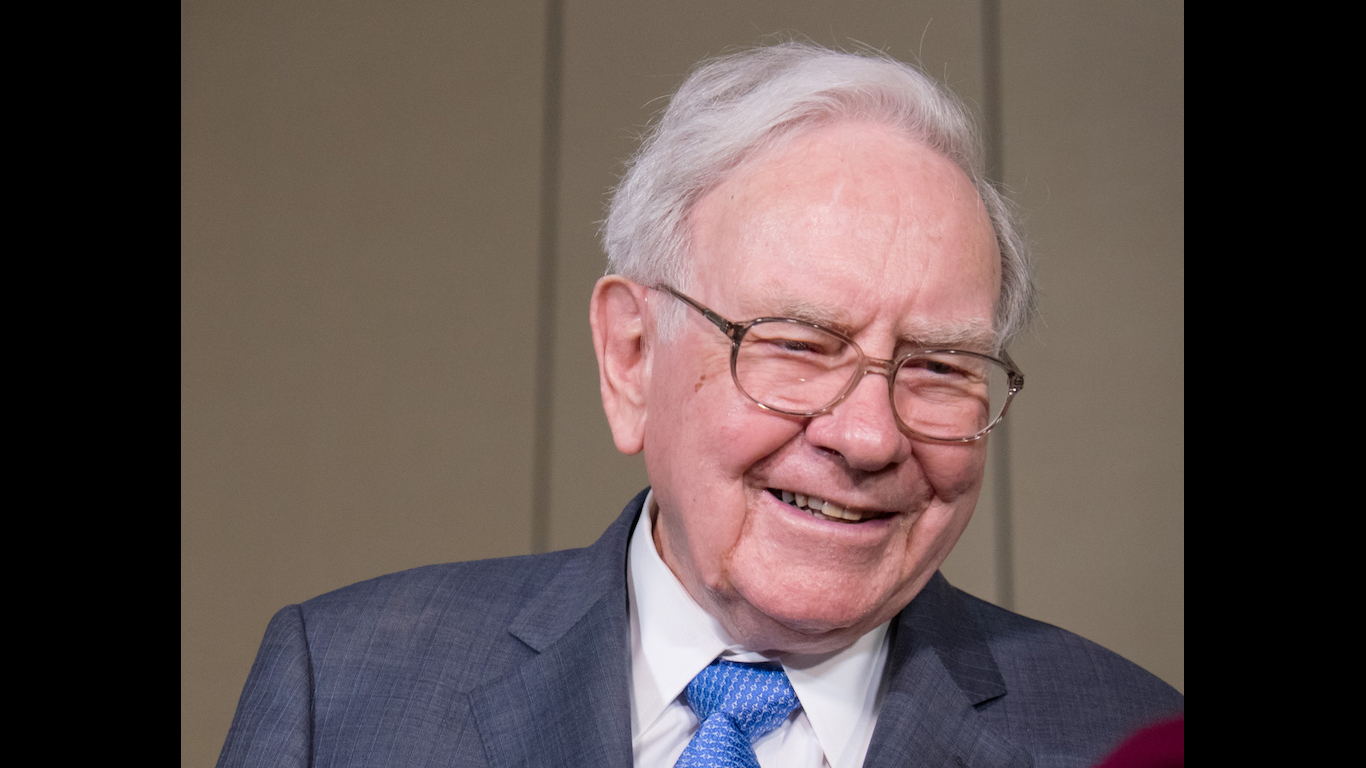
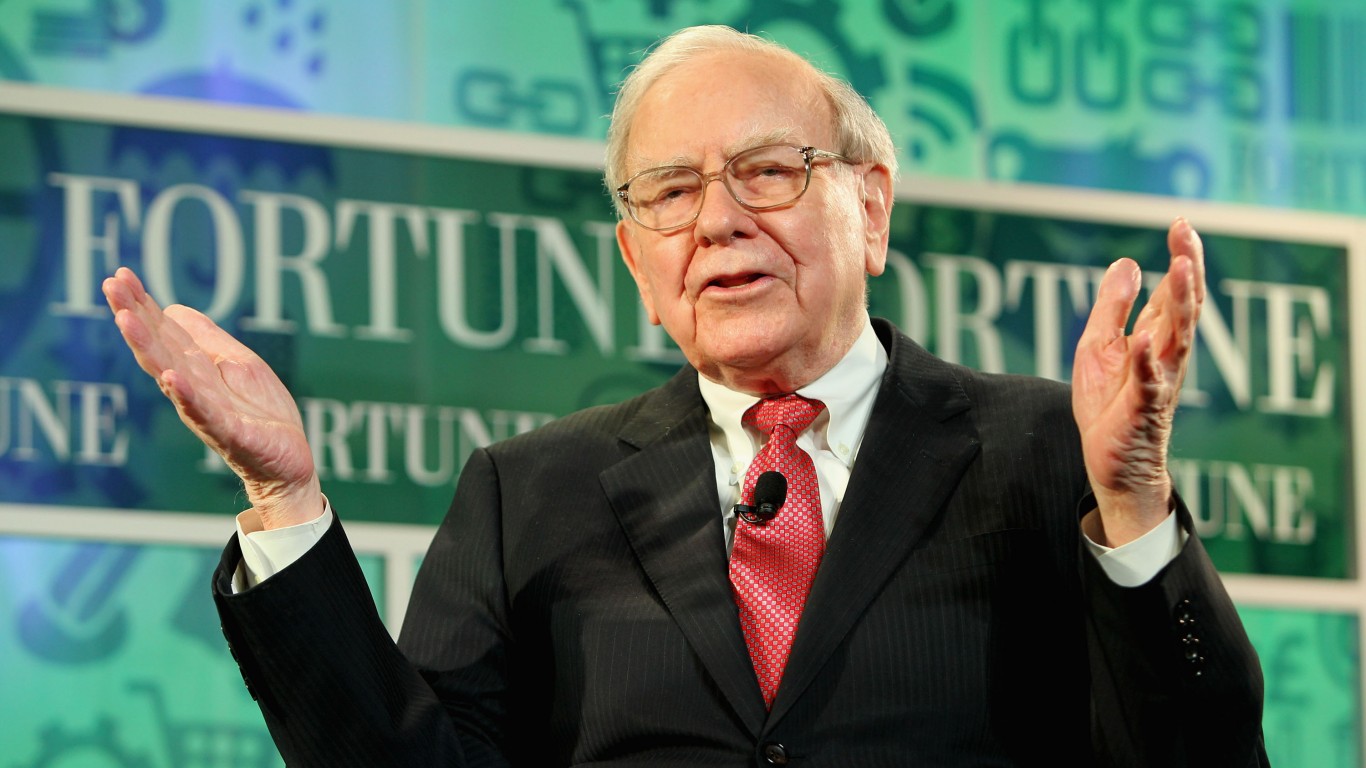
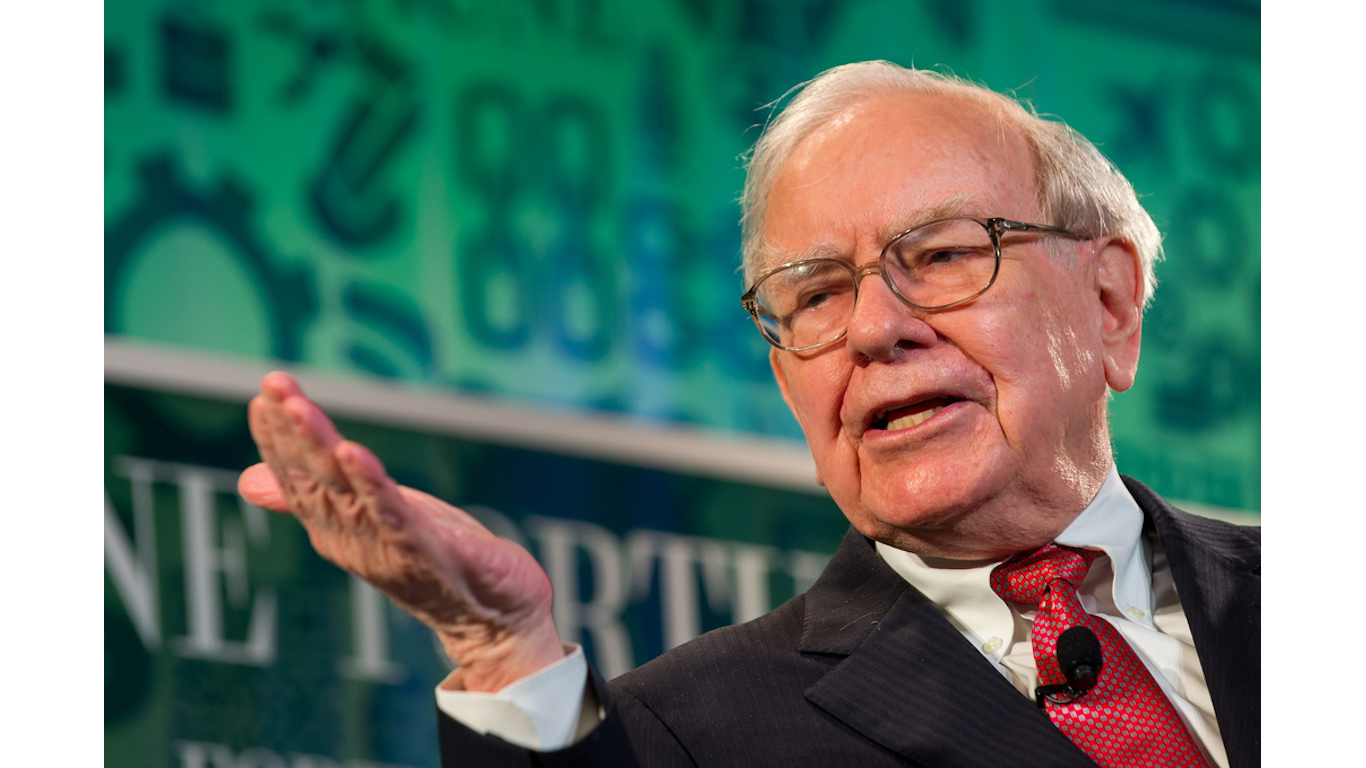
Warren Buffett stepped down as CEO of Berkshire Hathaway (NYSE: BRK-B | BRK-B Price Prediction) on December 31, 2025, after six decades leading the conglomerate he transformed from a struggling textile mill into a $1 trillion empire. The “Oracle of Omaha”…


Warren Buffett stepped down as CEO of Berkshire Hathaway (NYSE: BRK-B | BRK-B Price Prediction) on December 31, 2025, after six decades leading the conglomerate he transformed from a struggling textile mill into a $1 trillion empire. The “Oracle of Omaha” left his successor, Greg Abel, with a very concentrated portfolio: more than 65% of Berkshire’s $381 billion portfolio is invested in just six stocks. Abel, who has served as vice chair overseeing non-insurance operations, officially took over as chief executive on January 1, 2026. At 95 years old, Buffett isn’t fully retiring—he will remain chair of the board and plans to continue coming to the Omaha headquarters as much as before. However, he has stated he will be “going quiet” and leaving all decision-making to Abel.
It became quite obvious when the first-quarter numbers for Berkshire Hathaway were presented that it was more of the same for the investment giant. The huge chest of T-bills rose to $397 billion as more stock was sold. Specifically, the company sold $24.1 billion in equities in the first quarter of 2026, a huge jump from $4.7 billion in the first quarter of 2025, marking 14 straight quarters of net stock sales and pushing cash reserves to a staggering level. Once again, more Apple (NASDAQ: AAPL) and over 50 million shares of Bank of America (NYSE: BAC) hit the tape. What wasn’t being sold, at least so far, were some of the portfolio’s highest-yielding dividend stocks. Five of the highest-yielding could make up a very handsome passive-income portfolio while offering outstanding diversity, and being members of Berkshire Hathaway.
Why do we cover Warren Buffett’s Berkshire Hathaway stocks?
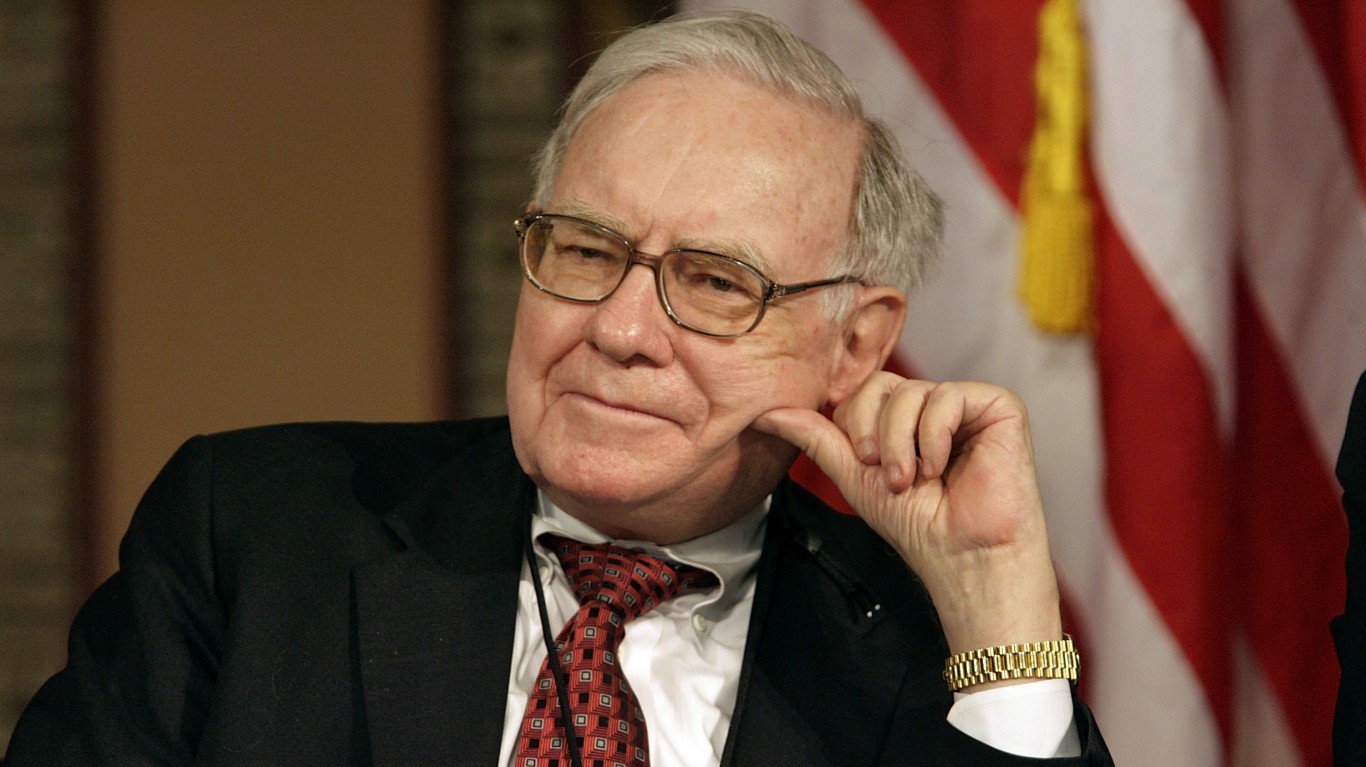
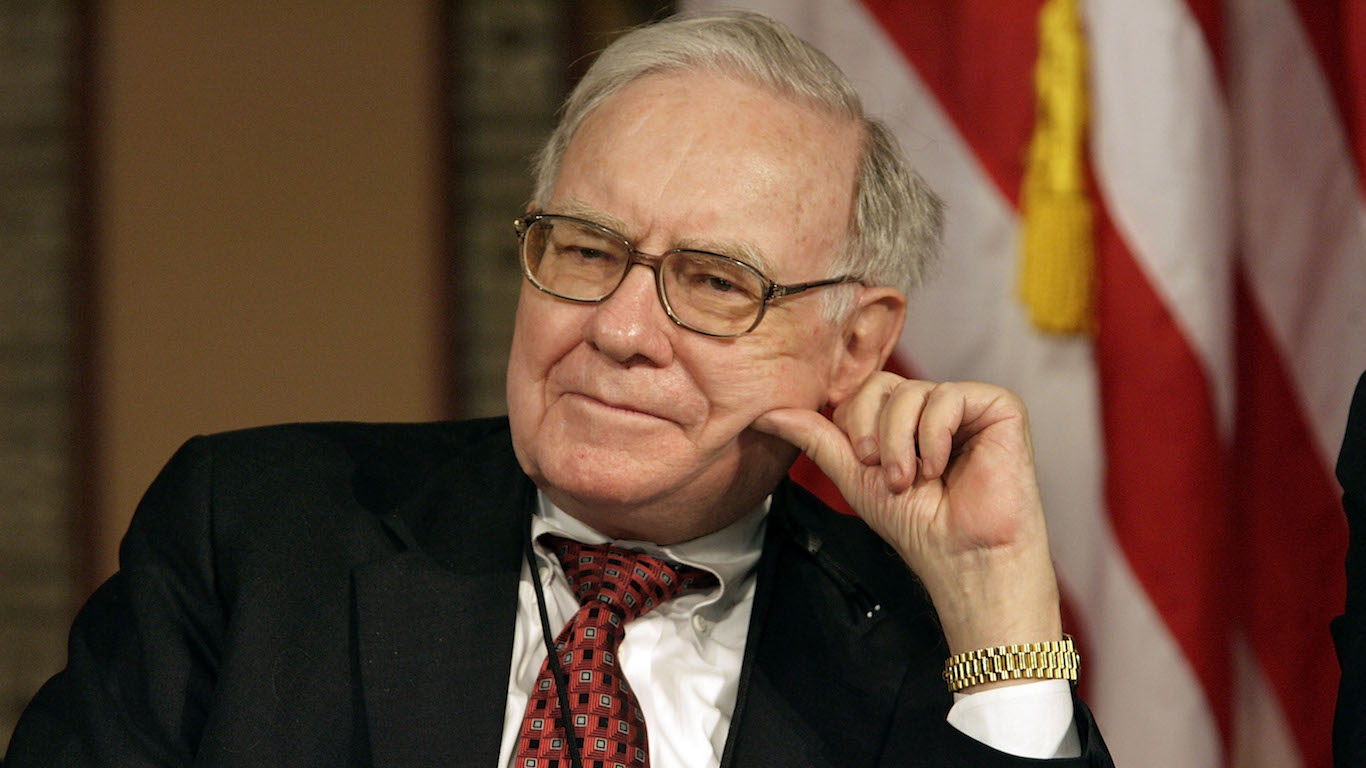
Few investors have the results and reputation that Buffett has garnered over the past 60 years. Though he has stepped away from the CEO chair, his impact and investment guidelines are likely to remain in place long after he is gone. While investing has evolved since Buffett took control of Berkshire Hathaway in 1965, buying good companies with products and services recognized worldwide, and paying dividends, will always remain a timeless approach.
Here are the five highest-yielding Berkshire Hathaway stocks.
Kraft Heinz
Kraft Heinz (NYSE: KHC) is North America’s third-largest food and beverage company and fifth-largest globally. Even in difficult times, everybody needs to eat, and this company consistently benefits while paying a substantial 7.12% dividend. The company was formed via the merger of H.J. Heinz and Kraft Foods, and it manufactures and markets food and beverage products worldwide through its eight consumer-driven product platforms:
- Taste Elevation
- Easy Ready Meals
- Hydration
- Meats
- Cheeses
- Substantial Snacking
- Desserts
- Coffee and other grocery products
The company has two reportable segments defined by geographic region: North America and International Developed Markets. Its other segments, West and East Emerging Markets (WEEM) and Asia Emerging Markets (AEM), are combined and reported as Emerging Markets.
Kraft Heinz brands include:
- Kraft
- Oscar Mayer
- Heinz
- Philadelphia
- Lunchables
- Velveeta
- Ore-Ida
- Capri Sun
- Maxwell House
- Kool-Aid
- Jell-O
- Golden Circle
- Wattie’s
- Plasmon
- ABC
- Master
- Quero
- Pudliszki
The company manufactures its products from a wide variety of raw materials and sells them through its sales organizations and independent brokers, agents, and distributors.
In February 2026, Kraft Heinz scrapped its planned corporate split. New CEO Steve Cahillane cited worsening conditions in the food industry, while emphasizing that the company’s challenges are “fixable and within our control.” Rather than breaking up, the company is intensifying its turnaround efforts. It is committing $600 million to marketing, sales, and research and development to drive the strategy. The decision follows a 3.5% decline in net sales in 2025, with further declines expected in 2026. By canceling the split, Kraft Heinz is now fully focused on stabilizing and rebuilding the business. Abel indicated Berkshire Hathaway is no longer planning to sell its stake in Kraft Heinz.
The swift reversal is being viewed as a reflection of Abel’s more hands-on management approach, as he reportedly expressed dissatisfaction, prompting the company to change direction quickly. For now, Berkshire appears committed to holding its position, although the shares could still be sold if conditions change. If they don’t, and the transition is successful, this could be a contrarian home run.
Sirius XM
The satellite radio operator was first added to the Berkshire Hathaway portfolio in 2016, and Buffett has continued to increase his stake over the past few years, a move that has proven to be shrewd. Sirius XM (NASDAQ: SIRI) is an audio entertainment company in North America that pays shareholders a dividend yield of 3.89%.
The company has a portfolio of audio businesses, including its flagship subscription entertainment service SiriusXM; the ad-supported and premium music streaming services of Pandora; an expansive podcast network; and a suite of business and advertising solutions.
The Sirius XM segment offers a variety of content, including music, sports, entertainment, comedy, talk, news, traffic, and other channels, as well as podcasts and infotainment services, in the United States for a subscription-based fee. Sirius XM’s packages include live, curated, and specific exclusive and on-demand programming.
The Pandora and Off-platform segment operates a music, comedy, and podcast streaming discovery platform that offers a personalized experience for each listener, wherever and whenever they want to listen, across mobile devices, vehicle speakers, and connected devices.
Chevron
Chevron (NYSE: CVX) is an American multinational energy company primarily focused on oil and gas, and it has been on fire as oil prices have skyrocketed. This integrated giant is a safer option for investors seeking exposure to the energy sector, and it pays a substantial 3.67% dividend, which was raised by 5% earlier this year. Chevron operates integrated energy and chemicals businesses worldwide. Berkshire Hathaway bought a well-timed 8 million additional shares in the fourth quarter, but sold a giant chunk of shares during the first quarter. It is one of the highest-quality companies in the energy sector, with a pristine balance sheet, and accounts for a sizable portion of Berkshire’s equity holdings. Chevron has a 38-year streak of dividend growth.
The company operates in two segments. The Upstream segment is involved in the following:
- Exploration, development, production, and transportation of crude oil and natural gas
- Processing, liquefaction, transportation, and regasification associated with liquefied natural gas
- Transportation of crude oil through pipelines, and transportation, storage
- Marketing of natural gas, as well as operating a gas-to-liquids plant
The Downstream segment engages in:
- Refining crude oil into petroleum products
- Marketing crude oil, refined products, and lubricants
- Manufacturing and marketing renewable fuels
- Transporting crude oil and refined products by pipeline, marine vessel, motor equipment, and rail car
- Manufacturing and marketing of commodity petrochemicals, plastics for industrial uses, and fuel and lubricant additives
It also involves cash management, debt financing, insurance operations, real estate, and technology businesses.
Coca-Cola
Coca-Cola (NYSE: KO) is an American multinational corporation founded in 1892. This company remains a top long-time holding of Warren Buffett, whose 400 million shares are 9.3% of the float and 9.9% of the portfolio. The stock pays a dependable 2.63% dividend.
Coca-Cola is the world’s largest beverage company, offering consumers more than 500 sparkling and still brands. Led by Coca-Cola, one of the world’s most valuable and recognizable brands, the company’s portfolio features 20 billion-dollar brands, including:
- Diet Coke
- Coca-Cola Light
- Coca-Cola Zero Sugar
- Caffeine-free Diet Coke
- Cherry Coke
- Fanta Orange
- Fanta Zero Orange
- Fanta Zero Sugar
- Fanta Apple
- Sprite
- Sprite Zero Sugar
- Simply Orange
- Simply Apple
- Simply Grapefruit
- Fresca
- Schweppes
- Dasani
- Fuze Tea
- Glacéau Smartwater
- Glacéau Vitaminwater
- Gold Peak
- Ice Dew
- Powerade
- Topo Chico
- Minute Maid
Globally, it is the top provider of sparkling beverages, ready-to-drink coffees, juices, and juice drinks. Through the world’s most extensive beverage distribution system, consumers in more than 200 countries enjoy the company’s beverages at a rate of over 1.9 billion servings per day. And remember that the company owns 19.5% of Monster Beverage (NASDAQ: MNST), which continues to deliver strong financial results.
Constellation Brands
Constellation is the largest beer importer in the US by sales and has the third-largest market share among major beer suppliers. If there is any company whose products remain in style, it’s this one, which achieves only 7% of its sales abroad. Constellation Brands (NYSE: STZ), together with its subsidiaries, produces, imports, markets, and sells beer, wine, and spirits in the United States, Canada, Mexico, New Zealand, and Italy.
The company provides beer primarily under these popular brands:
- Corona Extra
- Corona Premier
- Corona Familiar
- Corona Light
- Corona Refresca
- Corona Hard Seltzer
- Modelo Especial
- Modelo Negra
- Modelo Chelada
- Victoria
- Vicky Chamoy
- Pacifico
It also offers wine under:
- Cook’s California Champagne
- Kim Crawford
- Meiomi
- Mount Veeder
- Ruffino
- SIMI
- My Favorite Neighbor
- Robert Mondavi Winery
- Schrader
- The Prisoner Wine Company
Spirits are sold under the Casa Noble, Copper & Kings, High West, Mi CAMPO, and Nelson’s Green Brier brands.
Contact [email protected] for any questions or corrections.
Lee Jackson has covered Wall Street analysts' equity and debt research and equity strategy daily for 24/7 Wall St. since 2012. His broad and diverse career, which included a stint as the creative services director at the NBC affiliate in Austin, Texas, gives him unique insight into the financial industry and world.
Lee Jackson's journey in the financial industry spans over 30 years, with nearly two decades as an institutional equity salesperson at Bear Stearns, Lehman Brothers, and Morgan Stanley. His career was marked by his presence on the sell side during pivotal Wall Street events, from the dot.com rise and bubble to the Long Term Capital Management debacle, 9/11, and the Great Recession of 2008. This is a testament to his resilience and adaptability in the face of market volatility.
Lee Jackson’s practical financial industry experience, acquired from a career at some of the biggest banks and brokerage firms, is complemented by a lifetime of writing on various platforms. This unique combination allows him to shed light on the intricacies and workings of Wall Street in a way that only someone with deep insider experience and knowledge can. Moreover, his extensive network across Wall Street continues to provide direct access for him and 24/7 Wall St., a privilege few firms enjoy.
Since 2012, Jackson’s work for 24/7 Wall St. has been featured in Barron’s, Yahoo Finance, MarketWatch, Business Insider, TradingView, Real Money, The Street, Seeking Alpha, Benzinga, and other media outlets. He attended the prestigious Cranbrook Schools in Bloomfield Hills, Michigan, and has a degree in broadcasting from the Specs Howard School of Media Arts.