SpaceX Is Down 17% This Week. What Could Push It Back Up to $225?
Shares of SpaceX (NASDAQ:SPCX | SPCX Price Prediction) are trading lower again on Friday morning, with the stock changing hands at $152. That extends a rough stretch in which SpaceX stock has fallen 17% over the past week. The slide…

This post may contain links from our sponsors and affiliates, and Flywheel Publishing may receive compensation for actions taken through them.
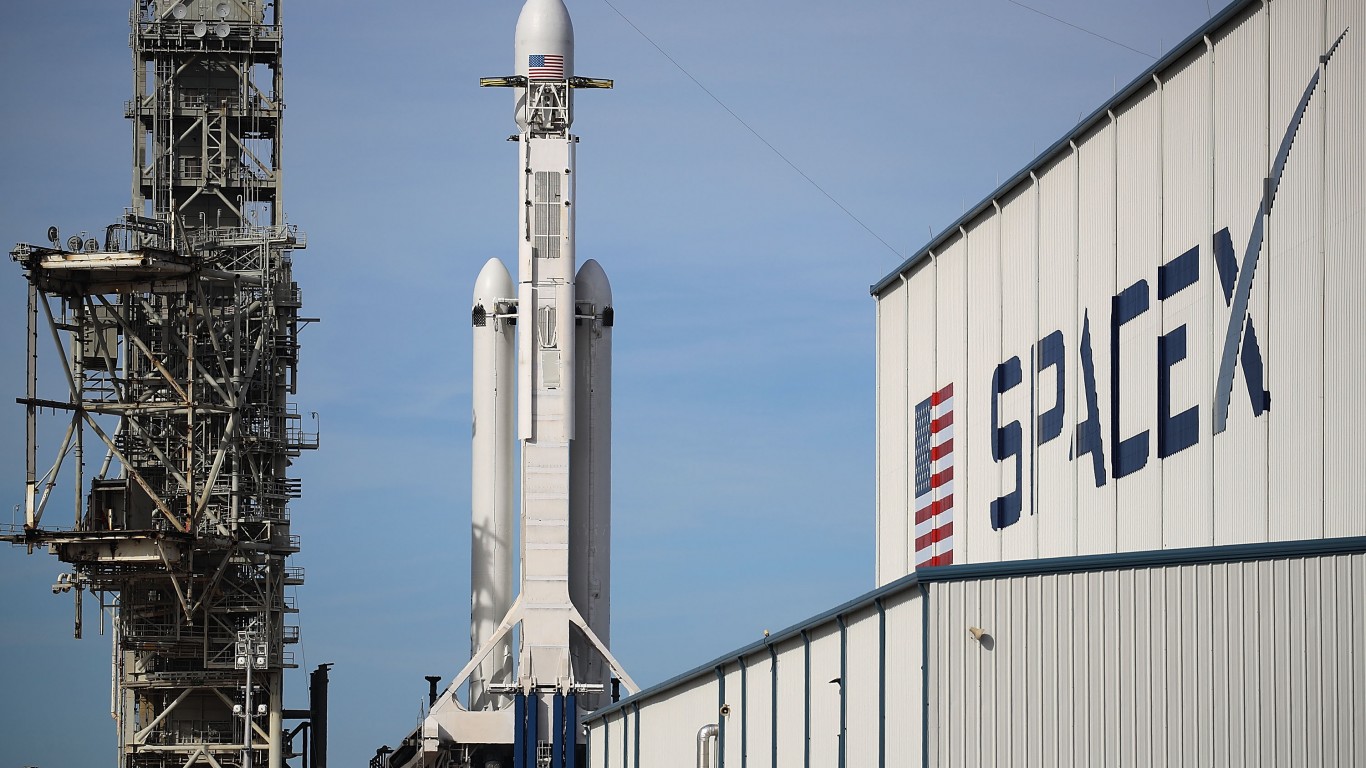
Shares of SpaceX (NASDAQ:SPCX | SPCX Price Prediction) are trading lower again on Friday morning, with the stock changing hands at $152. That extends a rough stretch in which SpaceX stock has fallen 17% over the past week.
The slide ran from $185 on June 18 down to $153 at the June 25 close. With a market capitalization still near $1.15 trillion, the question dominating trader chat rooms is what it would take to drag the stock back toward its 52-week high of $225.64.
The setup is unusual. Sentiment indicators have softened, yet underlying narratives around defense, connectivity, and artificial intelligence remain intact.
What’s Weighing on SpaceX Stock
The proximate trigger has been pressure on SpaceX’s inaugural $25 billion bond offering, which has weakened in the secondary market. According to a Bloomberg report, the bonds have generated paper losses of roughly $305 million relative to Treasuries, raising near-term financing concerns.
Broader profit-taking across U.S. tech has compounded the move. The CBOE Volatility Index or VIX closed at 18.89 on June 25, up 15% on the week, signaling elevated uncertainty as high-flying names take a breather.
Reddit sentiment has reflected the unwind. Weekly average sentiment dropped to 33.95, classified as bearish, led by a viral r/stocks post titled “SpaceX stock tumbles 16.4%, shaving off most IPO gains since debut” that drew 2,758 upvotes.
Catalysts That Could Push the Stock Higher
Strategic demand for SpaceX equity remains a real upside lever. Quantum Cyber (NASDAQ:QUCY) has announced it is pursuing an equity stake, with its CEO calling SpaceX “central to the future of defense technology.” Separately, Triller Group (NASDAQ:ILLR) recently moved to acquire an economic interest via an investment fund structure.
Starlink remains the bigger lever. The connectivity unit now operates roughly 9,600 satellites in Low-Earth Orbit, delivering service across 164 countries, territories, and other markets as of March 31. Reported plans for U.S. mobile entry, AI satellites, and expanded wireless services address a $1.6 trillion connectivity opportunity.
Defense spending is another tailwind. The FY2027 President’s Budget includes over $75 billion for space superiority, with explicit emphasis on leveraging commercial innovation. SpaceX, which has launched more than 80% of the world’s mass to orbit each year since 2023, sits at the center of that procurement story.
What the Market Is Pricing
The lone active prediction market, a Polymarket contract on direction by June 29, shows a 50/50 split, signaling genuine uncertainty. The composite sentiment score sits at 59.2, neutral with a positive 7-day trend of +9.45.
The xAI acquisition earlier this year reframed SpaceX as a space, connectivity, and AI platform. That breadth is part of the bull case, but it also raises the bar for execution as investors weigh whether SpaceX stock has corrected enough.
What to Watch Next
Near-term price action could hinge on whether the bond offering stabilizes and whether broader tech sentiment firms. Reaching $225 would require a meaningful rebound from current levels and is not guaranteed.
Investors can watch for whether SpaceX stock holds above $152 into the close, and whether follow-through buying from strategic stakeholders like Quantum Cyber materializes. Position sizing should remain modest given the volatility profile.
The next set of catalysts could come from Starlink mobile updates, defense contract awards, and any sign that the bond market is repricing higher. Until then, expect choppy trading.
Contact [email protected] for any questions or corrections.
David Moadel is financial writer specializing in stocks, ETFs, options, precious metals, and Bitcoin. David has written well over 1,000 articles for leading online publications, helping investors understand markets, income strategies, and risk.His work has appeared in The Motley Fool, InvestorPlace, U.S. News & World Report, TipRanks, ValueWalk, Benzinga, Market Realist, TalkMarkets, Finmasters, 24/7 Wall St., and others.With a master’s degree in education, David has taught at the elementary, high school, and college levels. That teaching background shapes his writing style: clear, educational, and practical. David has also built a loyal social-media audience by providing trustworthy financial content on YouTube, X/Twitter, and StockTwits.