Stryker Vs. Intuitive Surgical: Stryker’s Joint-Replacement Moat Over Intuitive’s Premium Valuation
Stryker (NYSE:SYK | SYK Price Prediction) and Intuitive Surgical (NASDAQ:ISRG) both closed the books on Q1 2026 with sharply different results. Stryker absorbed a March 11 cyberattack and heavy restructuring charges while defending its joint replacement franchise. Intuitive posted another…

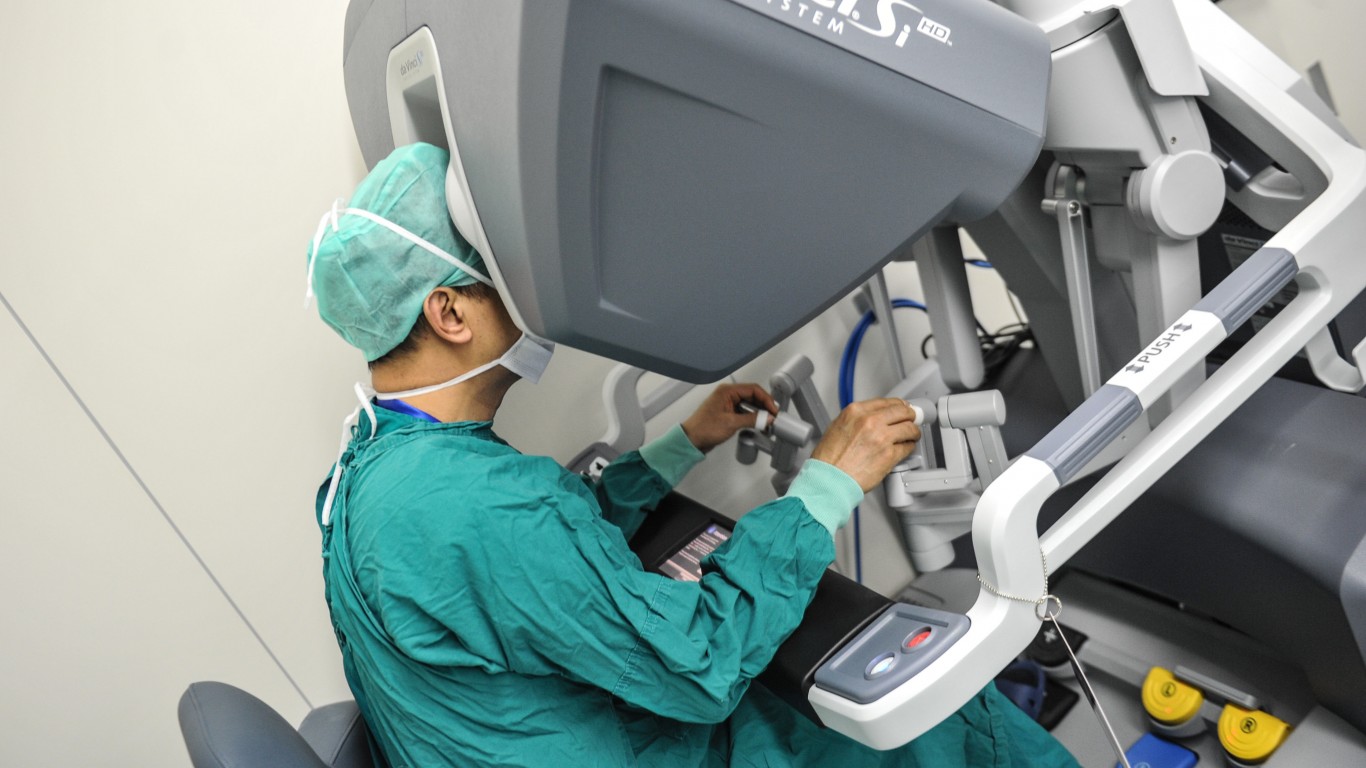
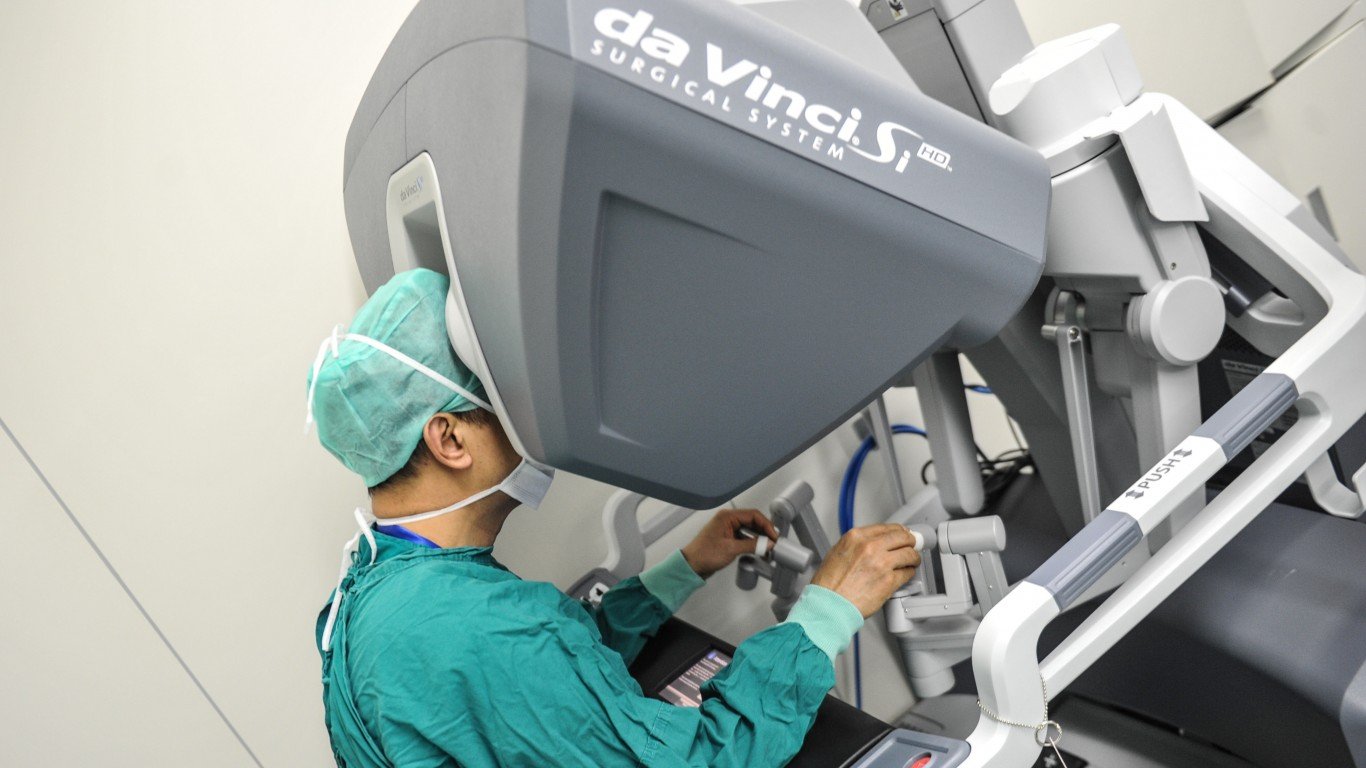
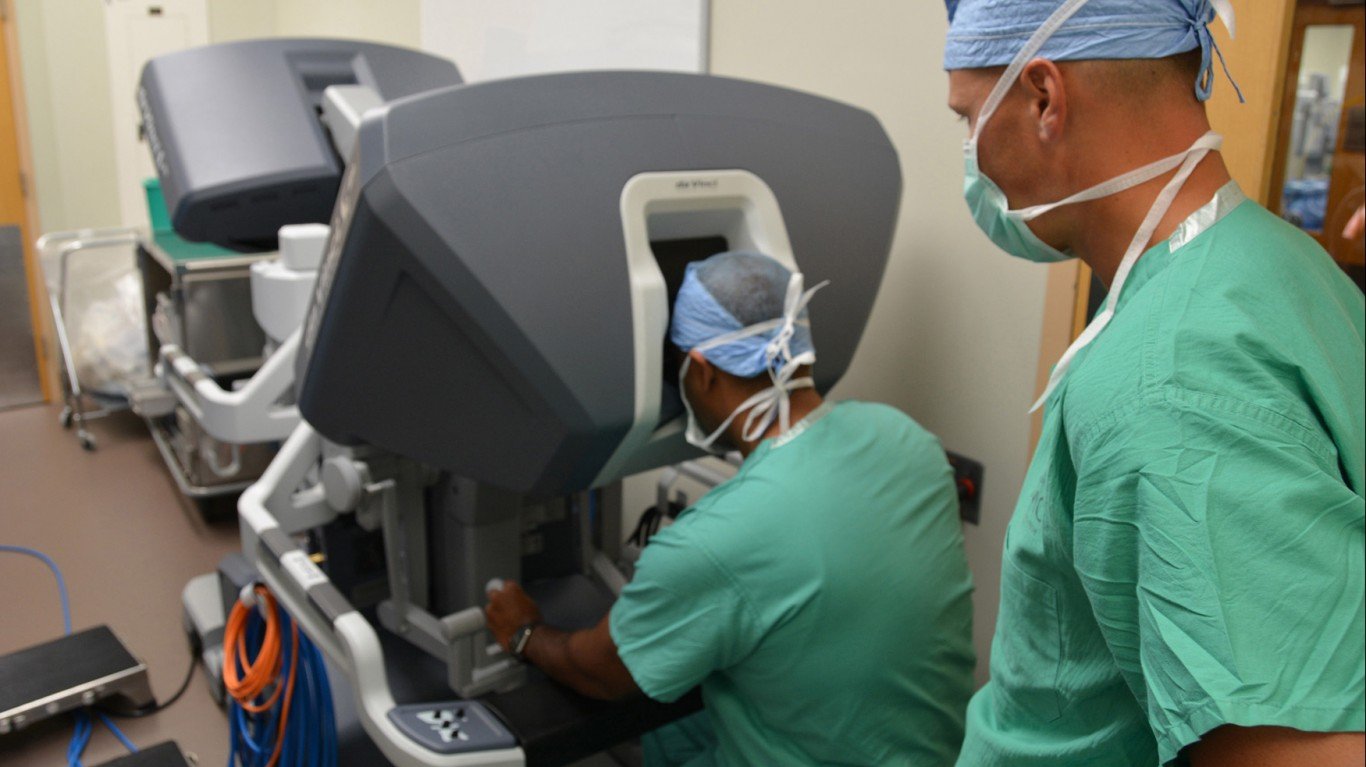
Stryker (NYSE:SYK | SYK Price Prediction) and Intuitive Surgical (NASDAQ:ISRG) both closed the books on Q1 2026 with sharply different results. Stryker absorbed a March 11 cyberattack and heavy restructuring charges while defending its joint replacement franchise. Intuitive posted another crisp beat on the back of da Vinci 5 adoption. Two medtech giants, two very different quarters.
A Cyber Hit for Stryker, A Clean Beat for Intuitive
Stryker reported $6.02 billion in revenue, missing the $6.33 billion consensus, with adjusted EPS of $2.60 falling short of the $2.98 estimate. Yet Knees grew 4.7%, Hips rose 3.7%, and Trauma and Extremities expanded 9.5%. The Mako-driven ortho story is intact. Vascular, powered by the Inari deal, jumped 27.5%. CEO Kevin Lobo said the team could “recover quickly from the cyber incident” and kept full-year guidance of 8.0% to 9.5% organic growth.
Intuitive delivered $2.77 billion in revenue, up 23.0%, with non-GAAP EPS of $2.50 topping the $2.11 consensus. Worldwide da Vinci procedures rose roughly 16%, and 232 of the 431 systems placed were the new da Vinci 5. Instruments and Accessories, the recurring flywheel, climbed 23% to $1.69 billion.
An Orthopedic Compounder vs. A Soft Tissue Pure Play
Stryker sells to almost every corner of the operating room. Intuitive depends almost entirely on robotic soft tissue procedures. That framing shapes how each business absorbs shocks.
| Lens | Stryker | Intuitive Surgical |
| Core Bet | Mako-led joint replacement plus diversified medsurg | da Vinci 5 rollout and Ion lung platform |
| Recurring Engine | Ortho consumables, trauma, vascular | Instruments and accessories tied to procedure volume |
| Key Vulnerability | Cyber and restructuring charges of $118 million | Tariff hit of roughly 1.0% of revenue and hospital capex risk |
| Valuation | Forward P/E near 22 | Forward P/E near 39 |
The demographically driven wave of joint replacements keeps Stryker’s ortho volumes remarkably sticky, and Lobo hit a $25 billion revenue milestone in 2025. Intuitive, meanwhile, guided da Vinci procedure growth of 13.5% to 15.5%, a step down from 18% in 2025. Growth is still enviable, though the deceleration is real.
The Next Test Is Guidance Credibility
Stryker’s stock is down 19.6% over the past year at $314.84, so investors clearly want proof the cyber hit was one time. I want Q2 organic growth to snap back toward the high single digits. Intuitive has slid 26.82% to $397.68, and the question is whether da Vinci 5 placements can offset a softer procedure ramp and tariff drag.
Why I Lean Toward Stryker on This Quarter
Given the setup, I lean toward Stryker for durable exposure. The Mako franchise, the Inari-boosted vascular arm, and free cash flow that jumped 226.77% to $415 million even during a messy quarter look like the profile of a structural compounder. For investors comfortable with a richer multiple, Intuitive’s procedure flywheel remains intact. I would only revisit that view if hospital capex tightens further or tariffs escalate.
Contact [email protected] for any questions or corrections.
Alex Sirois is a financial writer with experience spanning both retail and institutional investing. He has written for InvestorPlace and held roles at BNY Mellon and Bernstein, giving him a perspective that bridges Main Street portfolios and Wall Street analysis.
Alex holds an MBA from George Washington University and has built his career across multiple industries, including e-commerce, education, and translation — a breadth of experience that informs how he breaks down complex financial topics for everyday investors. His writing is conversational, actionable, and grounded in long-term, buy-and-hold investing principles.
At 247 Wall St., Alex focuses on delivering analysis that is both accessible and useful, with a clear emphasis on helping readers make more informed decisions with their money.