Elon Musk Has Mojo Back, As Tesla Deliveries Skyrocket
Tesla’s (NASDAQ:TSLA | TSLA Price Prediction) blowout Q2 delivery report is a legitimate win for the bulls. However, I’d argue that this beat does not settle the bigger debate around the stock. What is this debate, you might ask? Well,…


Tesla’s (NASDAQ:TSLA | TSLA Price Prediction) blowout Q2 delivery report is a legitimate win for the bulls. However, I’d argue that this beat does not settle the bigger debate around the stock.
What is this debate, you might ask?
Well, there’s a near-term and long-term view of how Tesla’s sales and deliveries have grown (or not) over time, and what this may portend for cash flow down the road. With a strong quarter in which Tesla delivered 480,126 vehicles (up 25% year over year and well above consensus), one might think the debate is settled – this is a growth stock that continues to grow at a strong pace. That said, I do think the company’s longer-term investment case still hinges far more on autonomy, robotics, margin structure, and valuation than on one strong print.
Let’s Dive Into the Numbers
The headline number was strong enough to turn heads. Tesla produced 451,758 vehicles and delivered 480,126 EVs. What this means in plain English is that Tesla once again shipped more cars than it built, working down its existing inventory.
I will say, this is likely a positive catalyst for the company, in that Tesla is looking to run down its inventory rather than adding to what many view as a surplus of unsold vehicles. And if the company is able to refresh its models and generate more sales globally, perhaps this is a company that could be on the verge of a growth reacceleration (25% year over year growth is indeed a strong figure).
The thing is, this growth comes on the back of a weak start to the year, so the comps were low to begin with. And while Tesla now looks like a much cleaner operator, this also points to the reality that demand may be softening across the board for the EV market more broadly – of which Tesla is no longer the global industry leader.
I do think for bulls (and we’ll get to that in a minute) this beat was important because the market had been bracing for another soft result after a stretch of declining sales and rising skepticism around Tesla’s core auto business. Instead, Tesla posted its best second quarter ever, which helps reset sentiment and reduces the immediate bear argument that the business was sliding into a more permanent demand problem.
Bull Case
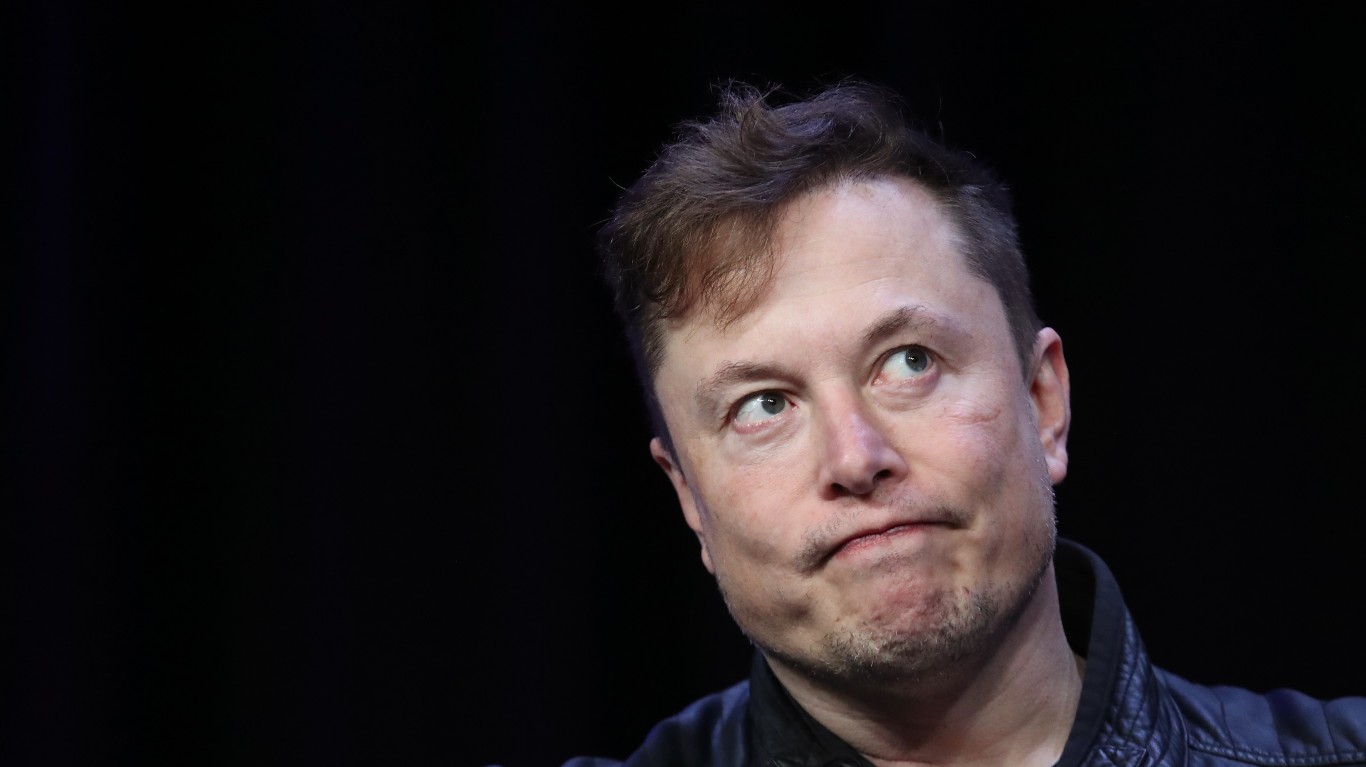
I think it’s important to start any bull case around Tesla with discussing the company’s CEO, Elon Musk. After launching the world’s biggest ever IPO (and becoming the world’s first trillionaire), it’s impossible not to point out the genius with which Musk has been able to pick trends, and get in at the right time. I think few can deny this point.
The reality also is that the electric vehicle revolution, and some of the other endeavors Tesla is directly or indirectly linked to, are still in their early innings of growth. If Tesla can become the autonomous driving, robotaxi, and Optimus company many bulls think, Tesla vehicles are simply a smaller piece of a much larger platform story.
In other words, vehicle unit growth doesn’t matter as much in a world where the company is generating far more from its software and services over the long-term. That’s the playbook Apple (NASDAQ:AAPL) and other tech giants have rolled out, with great profitability.
On the near-term side, this report also gives bulls evidence that Tesla’s core EV business is not broken. A 25% year-over-year delivery gain, plus a meaningful sequential jump, suggests the brand still has global pull and that some earlier concerns about collapsing demand may have been overstated. If deliveries can stabilize and margins hold up, the company has a better shot at keeping investor confidence while the optionality story develops.
Bear Case
The bear case remains strong around Tesla, at least from my perspective.
As mentioned, I see a growing softening in the global EV market, due to a number of key factors. Electricity prices have surged as AI demand has taken off. Thus, while one component of Elon Musk’s empire surges, another leg of his portfolio investing strategy is wobbly. And with greater competition in the EV market, consumers have more options to choose from with brands that may stand for different things. This goes back to Musk’s divisive personality, and his popularity (or lack thereof) with a percentage of the population.
I also think that one quarter does not necessarily answer all the structural questions investors have around this firm. It’s widely known that Tesla’s auto business still generates the bulk of the company’s revenue, and that’s a dynamic I think will be at play for at least the next three to five years. Perhaps some investors will hold on for the ride (and those who have since the beginning, kudos to you). But for the short-term investors out there, weak quarters in 2026 or 2027 could derail the stock’s investing thesis.
That’s to say nothing of the fact that Tesl remains heavily dependent on Model 3 and Model Y, which accounted for the vast majority of deliveries. Without refreshes, there’s little to suggest that demand could continue to surge for quarters or years to come.
Bearish investors will also argue that Tesla’s valuation already discounts a very optimistic future. In that framing, even a strong delivery quarter may not matter much if the market is still pricing the stock as a high-growth AI and autonomy story rather than a car company. That is why the stock can still move on expectations, not just on reported deliveries.
Why Investors Need to Think Long-Term
This is where the debate gets interesting. Delivery beats matter most when the market is focused on whether Tesla’s core auto franchise is deteriorating, and this report clearly helps there. But for long-term investors, the bigger question is whether Tesla can turn its capital, software, and data advantages into businesses that are materially more profitable than selling cars.
That is why near-term results do not fully settle the thesis. If Tesla eventually proves out autonomy, robotics, or a higher-margin software layer, then quarterly vehicle deliveries will look like an input, not the story itself. If those efforts disappoint, then the market may eventually re-rate Tesla more like a cyclical automaker with a premium brand and a difficult competitive landscape.
For investors, the right takeaway is not to overreact in either direction. The quarter strengthens the bull argument that Tesla still has demand, execution, and global scale, but it does not eliminate the bear argument that the stock is expensive relative to today’s fundamentals. In other words, this was a good operational update, but the investment case still lives or dies on what Tesla becomes over the next several years, not what it sold this quarter.
Personally, I’m still bearish on Tesla stock, despite this company’s recent performance. I think at some point, the numbers will matter. Until then, this is a story stock that’s still writing its own fairy tale.
Contact [email protected] for any questions or corrections.
Chris MacDonald is a 24/7 Wall St. contributor and long-time contributor to other notable finance publications, including The Motley Fool and InvestorPlace. With an MBA in Finance, and more than a decade of experience in venture capital and the corporate finance world, Chris brings a long-term perspective to his analysis of equities and alternative assets.
His love of investing and focus on finding quality undervalued stocks is complemented by recent research into alternative assets as well. He takes a long-term approach to analyzing companies and cryptos, with a focus on directing the reader to the most sustainable and important catalysts for each respective potential investment.