Tesla vs. BYD: Here Is My Pick in This EV Showdown
Tesla (NASDAQ:TSLA | TSLA Price Prediction) and BYD (OTC:BYDDF) sit at opposite ends of the electric vehicle capital cycle. Tesla just posted Q1 revenue of $22.39B alongside surging AI spending, while BYD keeps compounding units and cash. The contrast has…


Tesla (NASDAQ:TSLA | TSLA Price Prediction) and BYD (OTC:BYDDF) sit at opposite ends of the electric vehicle capital cycle. Tesla just posted Q1 revenue of $22.39B alongside surging AI spending, while BYD keeps compounding units and cash. The contrast has rarely been sharper, and the market is finally pricing it.
Robotaxi Theater Meets Export Reality
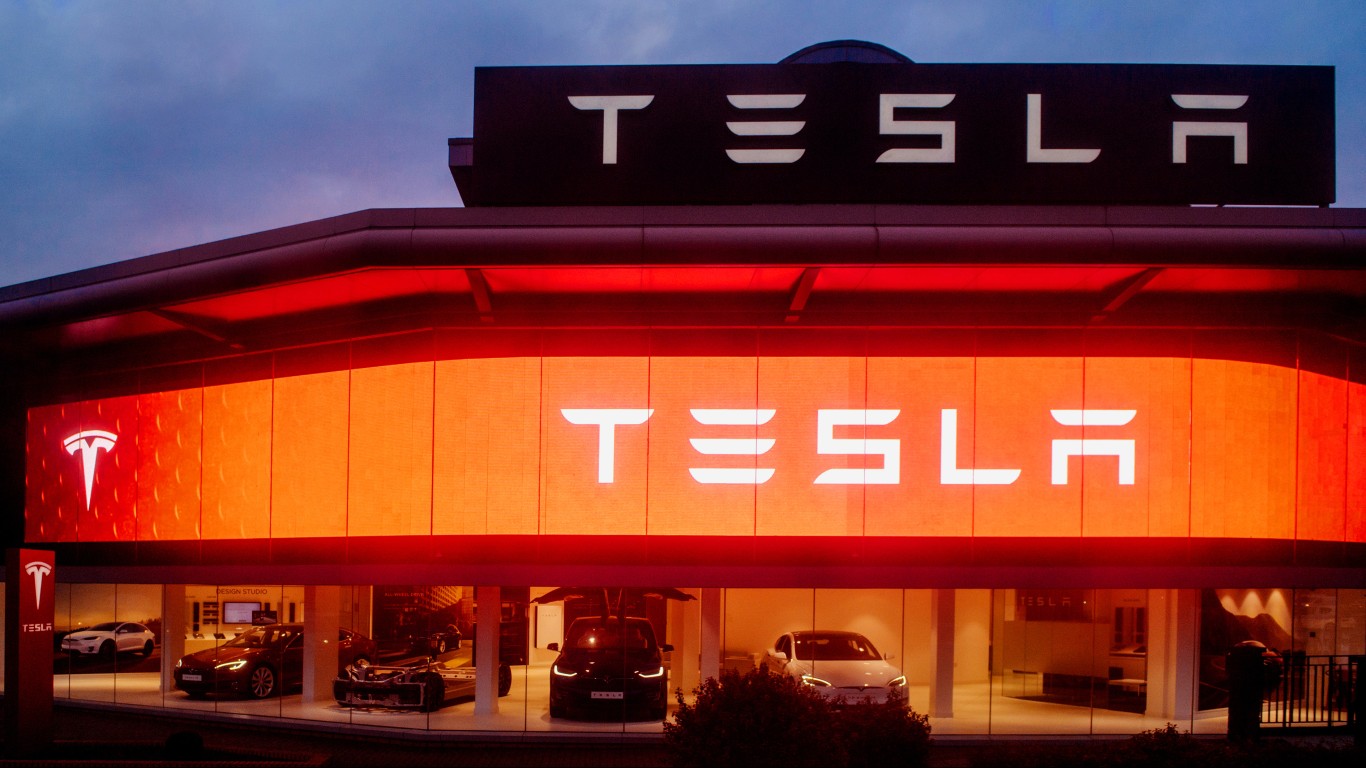
Tesla’s Q1 FY2026 print showed automotive gross margin expanding to 21.1% from 16.2% and FSD active subscriptions of 1.28M, up 51% YoY. Yet operating expenses jumped 37% year over year on AI R&D and CEO stock-based comp, and free cash flow was just $1.44B against $2.49B in CapEx. That is a company funding a moonshot from a shrinking runway.
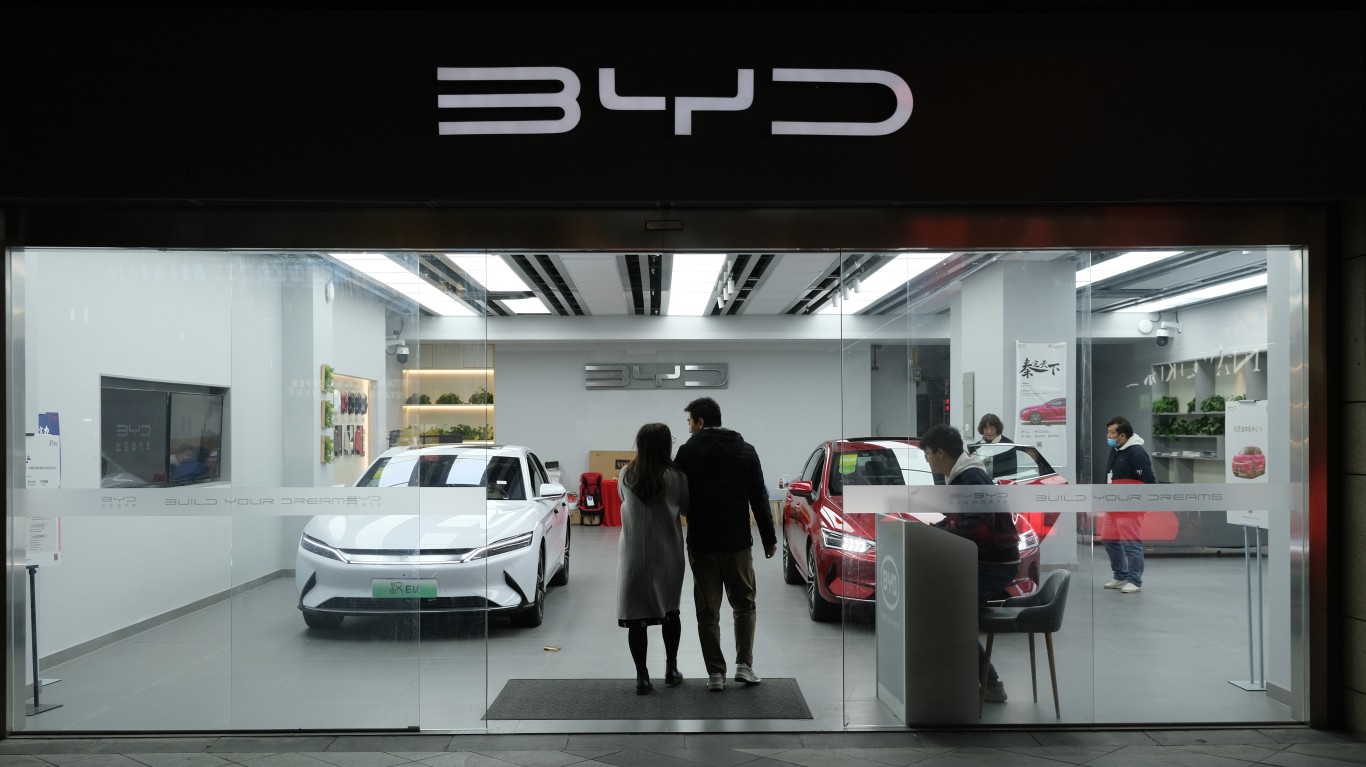
BYD, in contrast, entered 2026 with an upgraded export target of 1.5 million units, anchored by its vertically integrated Blade Battery supply chain. Shares are up 14.31% over the past week as global order visibility firms. Tesla, meanwhile, is down 10.41% year to date.
Capital Guzzler Versus Cash-Flow Compounder
Tesla’s FY2025 capital story tells the tale. Operating cash flow of $14.7B was gutted by $8.5B in CapEx, and net income collapsed to $3.9B, down roughly 46% from 2024. Stock-based comp swelled to $2.8B. Management is now steering into a $25 billion 2026 CapEx budget that pushes free cash flow negative for the balance of the year.
| Lens | Tesla | BYD |
| Core Bet | Robotaxi, Optimus, FSD subscriptions | Vertically integrated EV exports |
| Forward P/E | 200 | Materially lower on global consensus |
| Key Vulnerability | Capital burn, SBC dilution | China tariff and geopolitical drag |
Tesla trades at a trailing P/E of 382 on operating margin of 4.2%. That valuation rests on promises rather than the hardware business underneath.
The Next Test Is Whether Robotaxis Actually Ship
Prediction markets are unusually blunt here. Polymarket traders assign only a 10.5% probability that Tesla launches robotaxis in California by December 31, 2026, and just 13% odds on an Optimus release by year end. That is a crowd calling the timeline aspirational. Analyst consensus target sits at $423, barely above the $402.90 close.
I will be watching whether Tesla can convert Cybercab pilot production into revenue before the CapEx bill lands. For BYD, the question is whether Europe and Southeast Asia absorb the export ramp without triggering fresh tariff walls.
Why the Setup Favors BYD Here
If you want capital efficiency and units on the road today, BYD is the cleaner story. Its cash generation funds its own expansion, and the export ramp is happening in real time. Tesla still deserves a seat at the table if you believe in autonomy at scale, but paying 200 times forward earnings for that belief feels rich when insiders are net sellers and free cash flow is compressing. I would rather own the cash-flow-positive global scaler and revisit Tesla when the CapEx cycle breaks. Skepticism, in this pair, is the position.
Contact [email protected] for any questions or corrections.
Alex Sirois is a financial writer with experience spanning both retail and institutional investing. He has written for InvestorPlace and held roles at BNY Mellon and Bernstein, giving him a perspective that bridges Main Street portfolios and Wall Street analysis.
Alex holds an MBA from George Washington University and has built his career across multiple industries, including e-commerce, education, and translation — a breadth of experience that informs how he breaks down complex financial topics for everyday investors. His writing is conversational, actionable, and grounded in long-term, buy-and-hold investing principles.
At 247 Wall St., Alex focuses on delivering analysis that is both accessible and useful, with a clear emphasis on helping readers make more informed decisions with their money.