China’s New AI Breakthrough Shows Tim Cook’s Risky Final Bet Might Actually Be Genius
Beijing just handed Tim Cook an approval that could rewrite the entire narrative around Apple's AI strategy, and it raises an uncomfortable question for every rival that spent billions building what Apple deliberately chose not to own.


For nearly two years, the knock on Apple (NASDAQ:AAPL | AAPL Price Prediction) was that it had fallen behind in artificial intelligence. A single approval out of Beijing just complicated that story, and it may vindicate one of Tim Cook’s most contrarian bets on Apple Intelligence China.
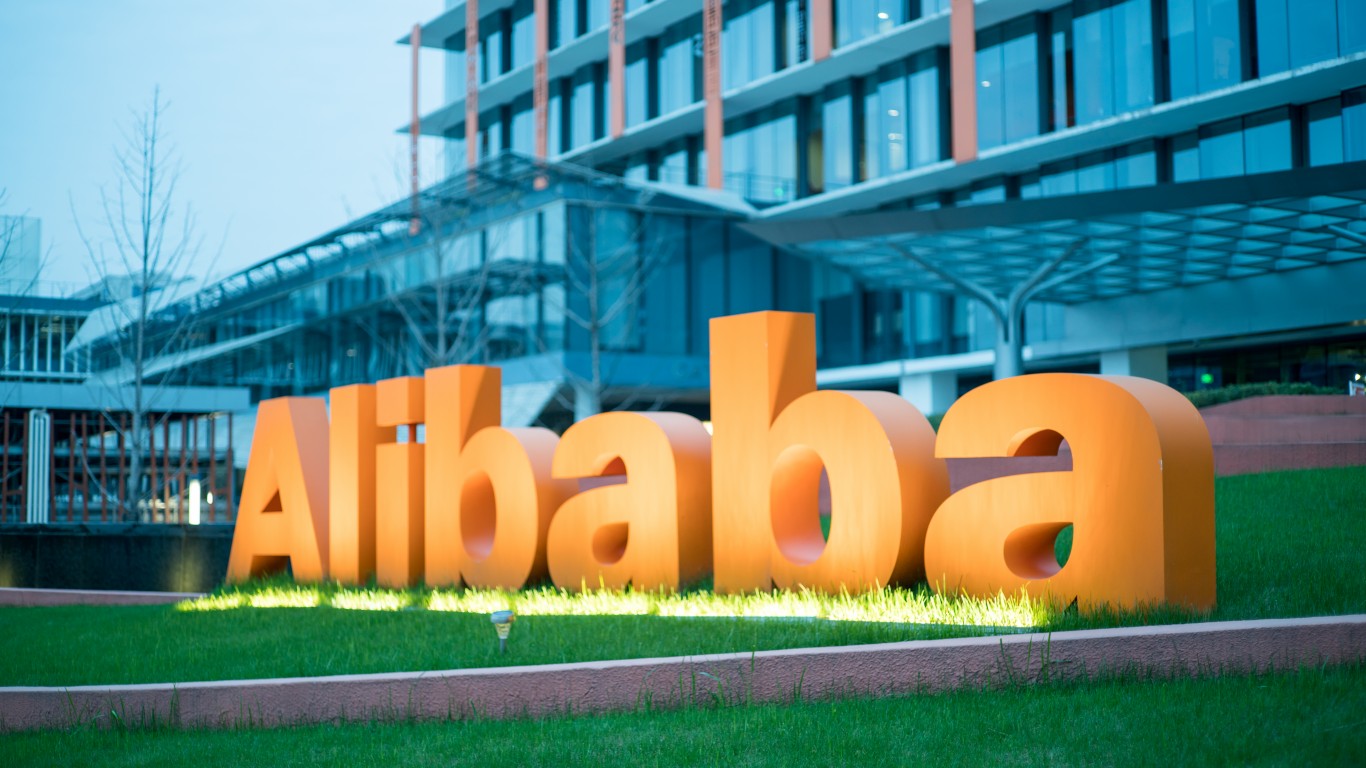
China’s Cyberspace Administration has approved Apple Intelligence for launch in China, clearing a regulatory hurdle in place since the feature debuted in 2024. The approval hinges on a partnership integrating Alibaba (NYSE:BABA) and its Qwen model into Apple’s operating systems, with Baidu (NASDAQ:BIDU) confirmed as a development partner.
Markets liked it. Apple shares climbed to a record high on the news, per CNBC’s reporting, driving the Apple stock record high narrative. In Hong Kong trading, Alibaba jumped 5% and Baidu rose 4%.
Why This Approval Mattered So Much
Apple Intelligence had been stuck in China since 2024. Chinese rules require AI systems to run on approved domestic models, which is why the Alibaba Qwen and Baidu partnerships unlocked the door.
The stakes are visible. Apple’s Greater China sales hit $20.5 billion in the second quarter of 2026, up 28% year over year. Its share of China’s smartphone market rose to 18.1% from 13.9% a year earlier, according to IDC, helped by iPhone discounts during a recent shopping festival.
[fwp_analyst_ratings symbol=”AAPL” /]
The Tim Cook AI Strategy Everyone Called Risky
While Microsoft, Google, Amazon, and Meta poured tens of billions into proprietary frontier models and data centers, Apple declined to join that arms race. It bet on a “model-agnostic” partnership approach, plugging in outside intelligence rather than owning it.
That looked passive to critics. But the China approval shows the upside. By partnering with Alibaba and Baidu, Apple met local regulatory requirements almost automatically. The same playbook is visible at home: Apple struck a multi-year deal to use Google’s Gemini to help power its revamped Siri, expected to launch in September, running in part on Google Cloud and Nvidia chips.
[fwp_price_target symbol=”AAPL” /]
Why the “Risky” Bet May Be Genius
Cook’s strategy lets Apple wear different AI engines in different regulatory regimes without carrying the compute burden itself. Google’s Gemini powers the experience in the United States. Alibaba’s Qwen and Baidu handle China. Apple supplies the device, operating system, and distribution to more than 2.5 billion active devices.
As AI infrastructure costs balloon industry-wide, that capital-light model looks less like a weakness and more like a structural advantage. Rivals own the compute. Apple owns the customer.
The Case for Restraint
This is one milestone in one market, well short of a finish line. No firm launch date for Apple Intelligence in China has been announced, so execution risk is real. Apple is also navigating a trade-secrets lawsuit against OpenAI, and it still trails Huawei, which remains the top smartphone seller in its home market of China.
[fwp_price_scenario symbol=”AAPL” /]
A strategy that looked like Apple sitting out the AI race now looks like a deliberate, capital-efficient way to run it. Whether it becomes a durable advantage depends on execution Apple has not yet delivered. For a “final bet” that Wall Street spent two years doubting, Tim Cook just got meaningful validation.
Contact [email protected] for any questions or corrections.
I've spent more than 15 years inside enterprise software, working alongside the finance, sales operations, and HR leaders who run the revenue engines at some of the largest tech companies in the country.
My day job is helping enterprise executives make smarter decisions about retention, compensation, and growth. These are the same operational levers that show up in every earnings report investors actually read. That perspective shapes my writing for 24/7 Wall St.
The headline numbers are easy. The interesting stuff is underneath: how companies make money, what executives are worried about, and what any of it means for the person checking their 401(k) on a Sunday afternoon. I write about personal finance and business as someone who has spent her career inside the rooms where these decisions get made.