Coca-Cola’s $1 Billion Milk Brand Just Got Hacked. Here’s What It Means For Store Shelves
A ransomware attack just shut down production at one of the fastest-growing brands in the American dairy aisle, and Coca-Cola has given shoppers no timeline for when the shelves fill back up.

One of the fastest-growing brands in the American dairy aisle just went dark, and a cyberattack is the reason.
In a securities filing on July 16, 2026, Coca-Cola (NYSE:KO | KO Price Prediction) disclosed that its Fairlife dairy subsidiary was hit by a ransomware attack that breached its IT systems, including production-related systems. Fairlife’s U.S. production operations are “temporarily suspended,” though Canadian operations are unaffected. The Fairlife hack is now rippling toward grocery shelves, and the Coca-Cola ransomware disclosure leaves the key question unanswered: when production comes back.
What Coca-Cola Has Confirmed, And What It Hasn’t
Coca-Cola says product quality and safety have not been impacted. The company has not given a restoration timeline, and as of this writing, no ransomware group has claimed responsibility. Whether customer, employee, or partner data was stolen, and whether Coca-Cola is being extorted, both remain unknown. On the attacker’s identity and any ransom demand, the responsible answer is that we simply do not know.
The company says it activated its incident response and business continuity protocols, is working with outside cybersecurity advisors, and has notified law enforcement.
Why Fairlife Matters More Than Its Size Suggests
Fairlife has scaled fast. Its sales surpassed $1 billion in 2022, up from an estimated $90 million in 2015, and more recent estimates put 2024 sales at roughly $4 billion. The $1 billion figure marks when the brand crossed the threshold. It has grown well past that since.
Coca-Cola bet heavily on that trajectory. It acquired Fairlife outright in 2020, and the total price, including earn-outs, reached roughly $7.4 billion over five years, the largest brand acquisition in Coca-Cola’s 133-year history. Fairlife’s ultra-filtered milk and Core Power protein shakes rode, and helped drive, the modern high-protein eating trend, a wave amplified by GLP-1 drugs like Ozempic. This is a strategic crown jewel for Atlanta.
What It Means For Store Shelves
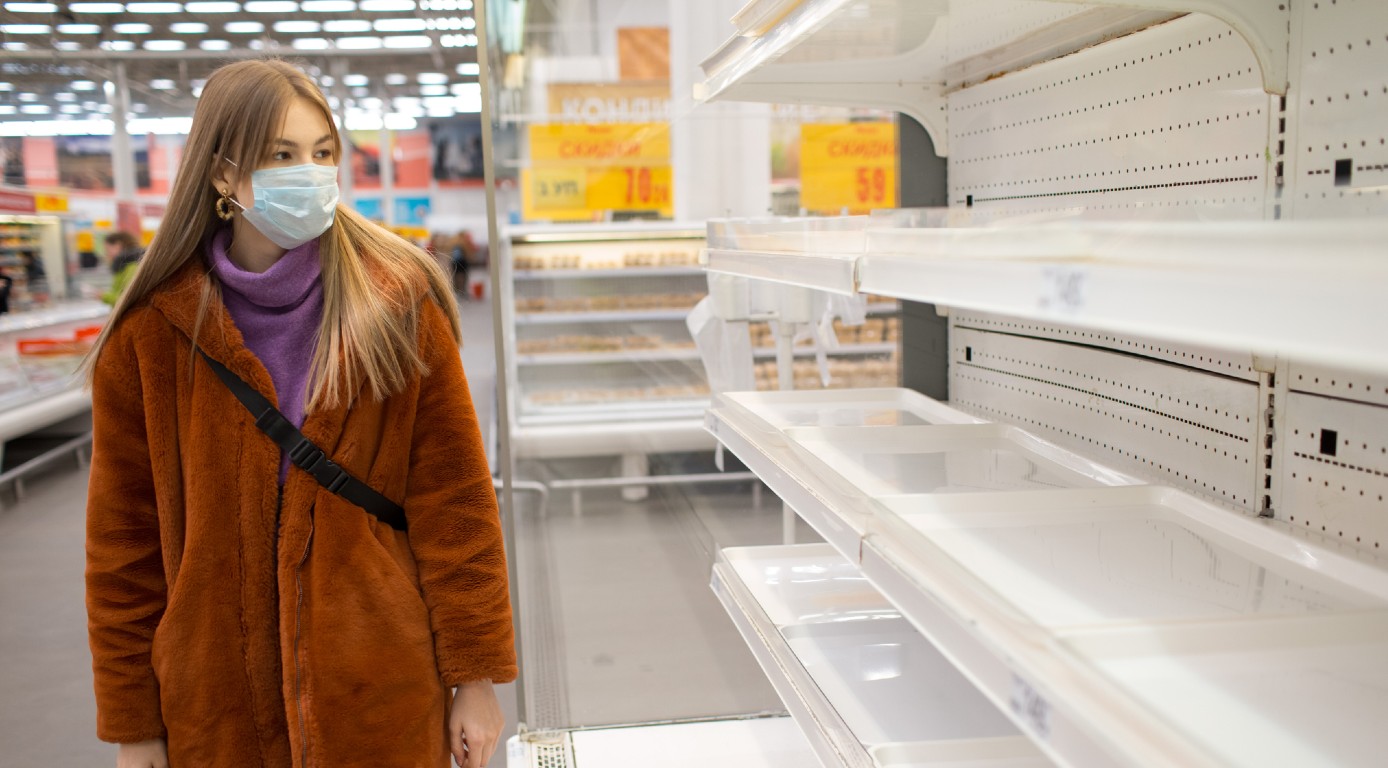
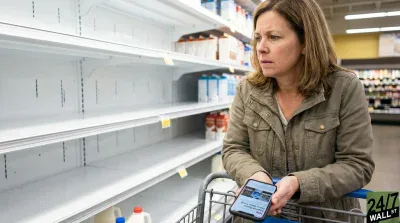
A production suspension at a brand this large does not stay invisible for long, and history shows why. When Arizona Beverages was hit by ransomware in 2019, and when grocery distributor UNFI was struck in 2025, both incidents caused production and distribution disruptions that ran for weeks and left empty shelves in their wake. Without a restoration timeline, a similar risk exists here.
Fairlife is a top seller in protein-fortified dairy, a category with few direct competitors. When a commoditized brand goes offline, shoppers barely notice because rivals fill the gap. When a category leader with few substitutes goes dark, the hole is harder to plug. A prolonged Fairlife shortage would therefore have an outsized effect on shelf availability.
The Bigger Takeaway
The market has taken notice without panicking. KO closed at $82.12 on July 20, down 2.53% over the prior week yet still up 19.05% year to date. Polymarket traders now assign a 79.5% probability that Q2 global unit case volume growth comes in below 3.5%, a downshift from Q1’s 3% global volume print. The same crowd still gives an 87.5% probability that Coca-Cola beats consensus when it reports on July 28.
For shoppers, the message is measured. Coca-Cola says the product is safe, Canadian supply is running, and recovery work is underway. But if the outage stretches on, the milk brand cyberattack that began as an SEC filing could end as a visible gap in the dairy case, and a Fairlife shortage would be the clearest sign that a digital attack reached all the way to the grocery shelf.
Contact [email protected] for any questions or corrections.
I've spent more than 15 years inside enterprise software, working alongside the finance, sales operations, and HR leaders who run the revenue engines at some of the largest tech companies in the country.
My day job is helping enterprise executives make smarter decisions about retention, compensation, and growth. These are the same operational levers that show up in every earnings report investors actually read. That perspective shapes my writing for 24/7 Wall St.
The headline numbers are easy. The interesting stuff is underneath: how companies make money, what executives are worried about, and what any of it means for the person checking their 401(k) on a Sunday afternoon. I write about personal finance and business as someone who has spent her career inside the rooms where these decisions get made.