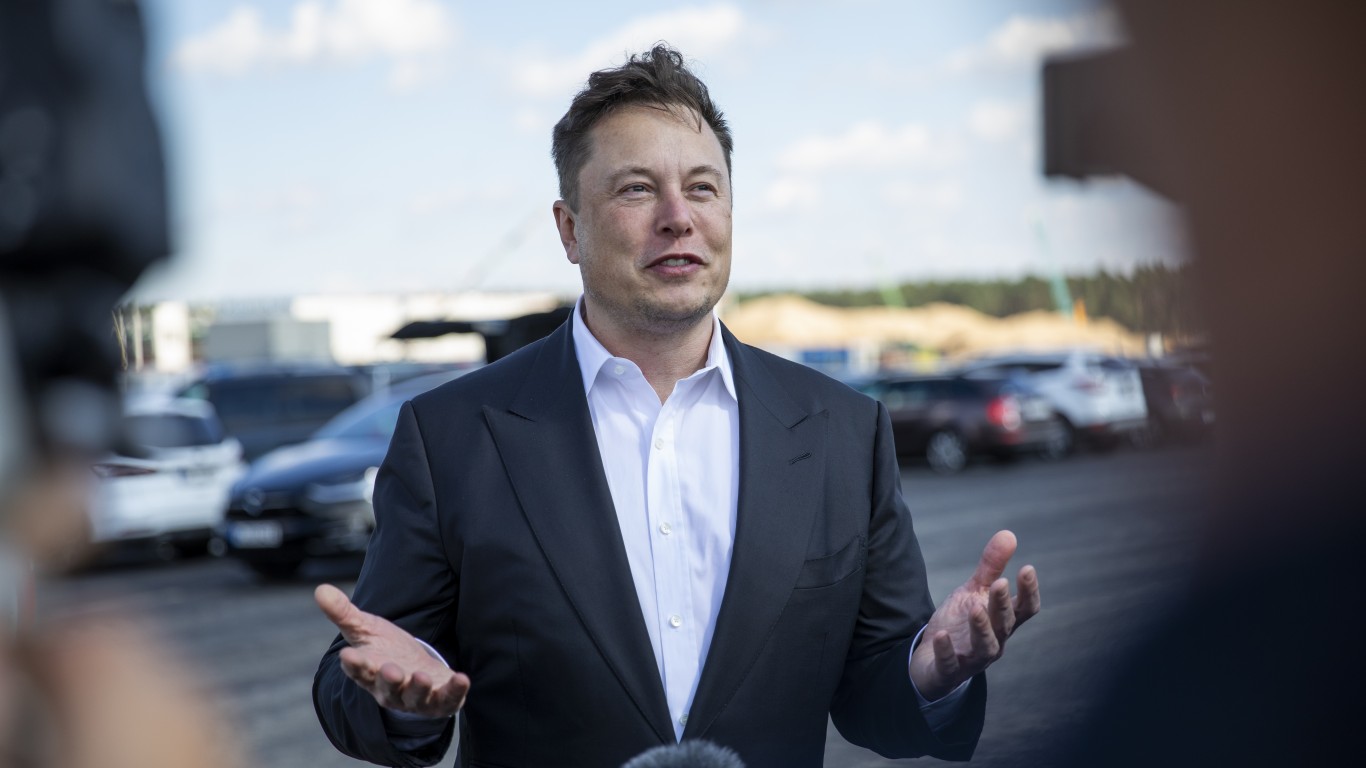
Trillionaire No More. SpaceX Collapse Loses Elon Musk $600 Billion in One Month
SpaceX's blockbuster IPO compressed years of post-debut volatility into a single month, and the fallout carries a warning for investors eyeing the next wave of highly anticipated tech offerings.

This post may contain links from our sponsors and affiliates, and Flywheel Publishing may receive compensation for actions taken through them.
Few events capture Wall Street’s imagination like a marquee IPO. The combination of a famous founder, limited public float, and fear of missing out can push newly public companies well beyond what fundamentals alone justify. History is filled with examples, from the dot-com boom to more recent offerings, where excitement lifted valuations before reality eventually took over.
That’s exactly why experienced investors often approach blockbuster IPOs with caution. SpaceX‘s (NASDAQ:SPCX | SPCX Price Prediction) public debut may have compressed that entire cycle into just one month, offering an important lesson before highly anticipated offerings from Anthropic and OpenAI arrive.
SpaceX’s IPO Hype Meets Reality
The buildup to SpaceX’s public debut was unlike almost anything investors have seen in years.
After pricing its IPO at $135 per share, SpaceX opened its first day of trading at $150 before enthusiasm pushed the stock as high as $225 in the days that followed. For a brief period, it seemed every investor wanted a piece of Elon Musk’s latest empire.
That enthusiasm has faded just as quickly. SpaceX now trades around $113 per share — roughly 50% below its post-IPO high and 16% below its original offering price. The reversal has been swift, but it isn’t unprecedented.
History shows that many high-profile IPOs struggle once the initial excitement wears off. Sometimes that adjustment happens over six months or a year. In SpaceX’s case, the process unfolded in a matter of weeks.
Let’s also remember that the next phase may not be over. Lockup agreements that prevent insiders from selling their shares begin expiring next month. Those expirations often increase selling pressure as early investors and employees finally gain the ability to cash out. Some newly public companies don’t establish lasting bottoms until months — or even several years — after their debuts as they prove they can consistently grow into lofty valuations.
Musk’s Wealth Rose Just as Fast as It Fell
The dramatic swings in SpaceX also produced one of the largest paper wealth gains — and losses — in history.
According to Bloomberg’s Billionaires Index, Elon Musk’s estimated net worth began the year near $630 billion before the SpaceX IPO frenzy briefly pushed his fortune above $1.3 trillion. As SpaceX retreated, that paper wealth evaporated just as quickly. By Friday, Bloomberg estimated Musk’s fortune at approximately $718.8 billion, representing a decline of roughly $600 billion in about a month.
Musk himself seemed to acknowledge the reversal with characteristic humor, posting simply on X: “(Former) Trillionaire.”

Of course, Musk never had $1 trillion sitting in a bank account. Like virtually every billionaire, the overwhelming majority of his wealth consists of ownership stakes whose values fluctuate every trading day.
The Bigger Lesson Isn’t About Musk
No one is likely to launch a GoFundMe campaign for Elon Musk. Yet the episode illustrates how quickly headline-grabbing wealth figures can change.
Political rhetoric often treats billionaire wealth as though it were static. In reality, fortunes tied to publicly traded companies can rise or fall by hundreds of billions of dollars without a single share being sold. Wealth is dynamic, not fixed.
More importantly, economies generally grow by encouraging innovation rather than limiting it. Musk’s companies illustrate that point. Tesla (NASDAQ:TSLA) helped accelerate mainstream electric vehicle adoption after decades of failed attempts by others. SpaceX has transformed commercial spaceflight and lowered launch costs. Even X has become a platform where users can share viewpoints that are suppressed or might receive less visibility elsewhere.
Granted, reasonable people can disagree about Musk’s leadership style or his public statements. But creating businesses that generate jobs, technological advances, and shareholder value is ultimately how wealth is created in the first place.
Key Takeaway
In short, the biggest lesson from SpaceX’s volatile debut isn’t that Elon Musk lost his trillionaire status. It’s that IPO euphoria rarely lasts forever.
Smart investors have long been warned against chasing blockbuster offerings during their first days of trading, and SpaceX demonstrates why. Better entry prices often emerge once excitement fades and markets begin focusing on fundamentals instead of headlines.
With Anthropic and OpenAI both expected to launch blockbuster IPOs in the coming months, investors would do well to remember that patience has historically been one of the market’s most valuable investing tools.
Contact [email protected] for any questions or corrections.
After two decades of patrolling the dark corners of suburbia as a police officer, Rich Duprey hung up his badge and gun to begin writing full time about stocks and investing. For the past 20 years, he’s been cruising the markets looking for companies to lock up as long-term holdings in a portfolio while writing extensively on the broad sectors of consumer goods, technology, and industrials. Because his experience isn’t from the typical financial analyst track, Rich is able to break down complex topics into understandable and useful action points for the average investor. His writings have appeared on The Motley Fool, InvestorPlace, Yahoo! Finance, Money Morning, and, of course, 24/7 Wall St. He has been featured in both U.S. and international publications, including MarketWatch, Financial Times, Forbes, Fast Company, and USA Today.