SpaceX Investor Nightmare: He Paid for “Pre-IPO” Exposure, Only to Learn the Shares Were Already Sold
Thousands of retail investors bought what they were told was pre-IPO SpaceX exposure, only to discover the shares beneath them had already been sold, stacked, or may never have existed at all. The lockup clock just started, and the reckoning…

This post may contain links from our sponsors and affiliates, and Flywheel Publishing may receive compensation for actions taken through them.

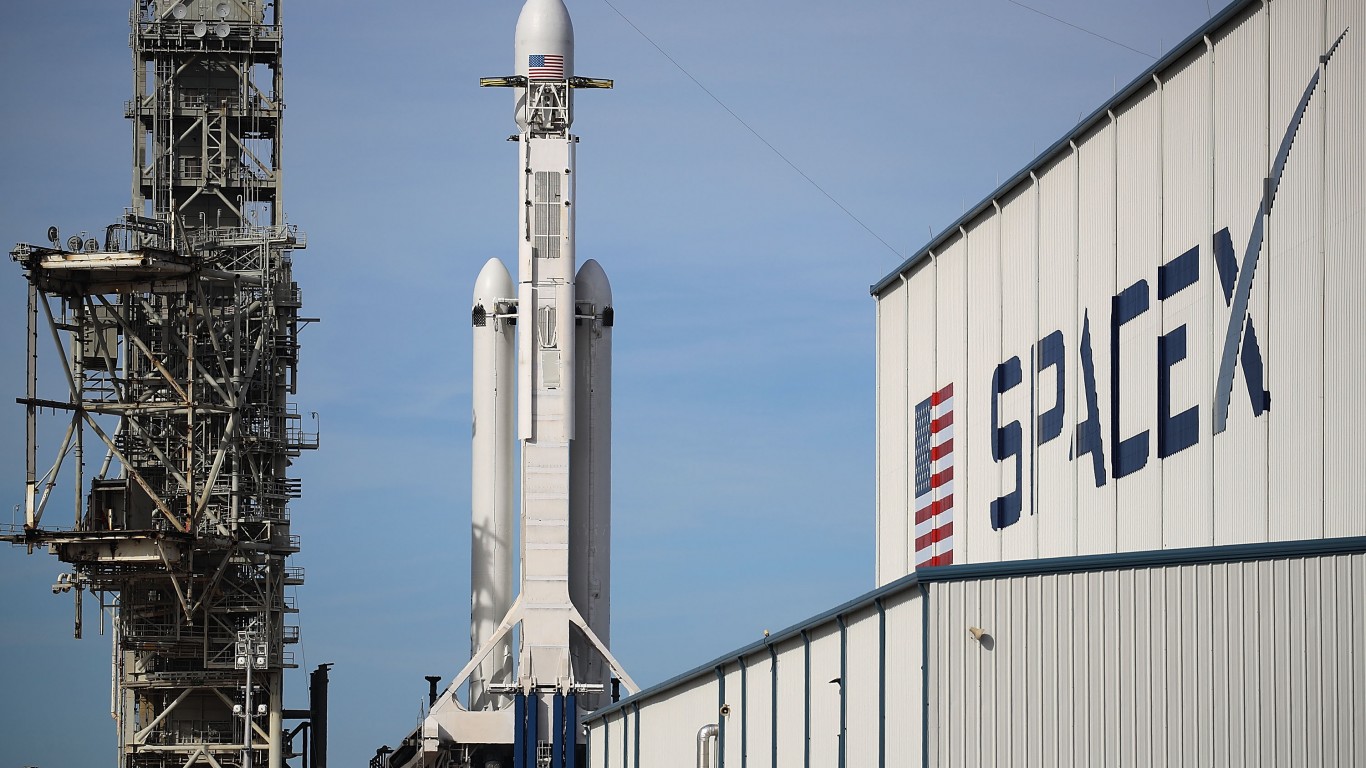
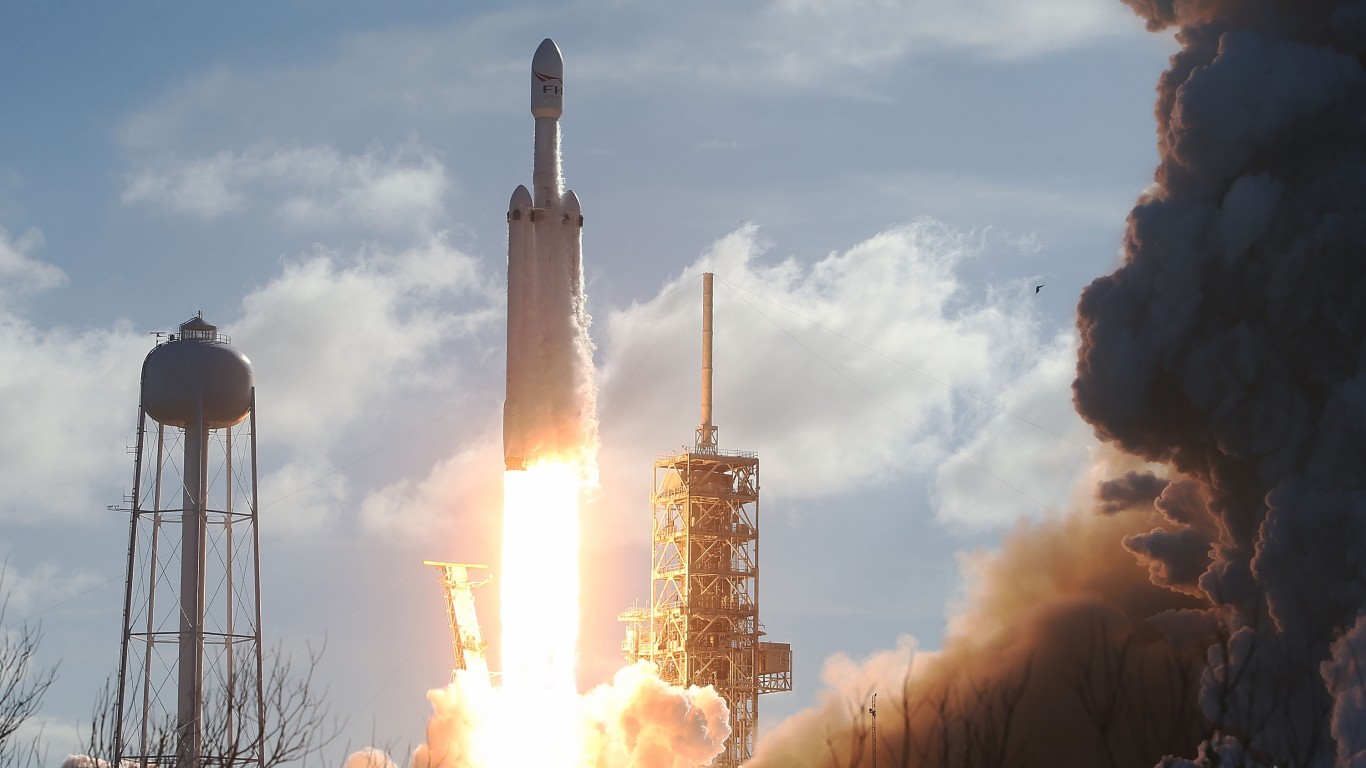
A retail investor featured in a Wall Street Journal investigation thought he had bought his ticket to the SpaceX bonanza. He wired money into a special purpose vehicle marketed as offering “pre-IPO exposure” to SpaceX (NASDAQ:SPCX | SPCX Price Prediction). After the June IPO, he learned his promised shares had already been sold before public trading began, capping his upside. He is one small casualty in a shadow market where bankers estimate at least 1,000 SPVs are tied to SpaceX stock alone.
How the SPV Stack Got This Tall
Demand for pre-IPO SpaceX allocations was so severe that investors inside one SPV would form a new SPV using their own shares as the underlying, creating structures stacked four or five layers deep. Each layer charges its own fees: management fees, carried interest, and access fees that range from under 5% to as much as 18%. A Forbes analysis found that in a hypothetical three-layer SPV structure with typical 2%-management/20%-carry terms at each layer, an investor putting in $2 million that grows to $10 million at IPO could see nearly $5 million eaten by middlemen fees before taxes. The end investor writes the check. Everyone in between eats first.
You Don’t Know What You Own
Lower-tier SPV investors typically won’t learn their real share count until SpaceX’s lockups lift, a rolling process TechCrunch reported would unfold over roughly four months, with the bottom layer of a multi-tier chain potentially waiting eight or nine months for final distribution. First-layer SPVs have about 30 days to distribute shares once they receive them; each layer below must then wait its turn. SpaceX has been actively pruning its cap table. Per Forbes, that has included removing Chinese money that entered via a Delaware SPV, meaning some investors may find their “SpaceX exposure” was never honored by the company at all.
The Ecosystem This Lives In
The SPV underworld has produced its own criminal docket, separate from anything alleged against SpaceX. Giovanni Pennetta, manager of Sestante Capital, was sentenced to four years in prison for fabricating access to nonexistent allocations in Anduril. Linqto, a Bay Area firm that marketed pre-IPO access (including to SpaceX) for as little as $1,000 with “no hidden fees,” is now in bankruptcy and under SEC, DOJ, and FINRA investigation over alleged undisclosed markups exceeding 150%. In January, three SPV brokers in New York pleaded guilty to conspiracy and fraud charges after allegedly pocketing millions in hidden markups while raising $185 million from more than 1,000 investors. As FJ Labs’s Jeff Weinstein told Forbes: “Half the people involved in this ecosystem, maybe more than half, are not registered broker-dealers. This entire grifting process is illegal.”
The Squeeze Is Landing Today
SpaceX reported Q2 revenue of $7.81 billion, up 92% year over year and well ahead of the roughly $6.9 billion consensus. Shares fell 13.61% on August 5, closing at $108.27, as investors fixated on $18.4 billion in quarterly capex, about $15.8 billion of it AI-related. The stock is off roughly 33% since its June IPO. The first post-IPO lockup expires today, and could increase the tradable share count by more than 140%, according to CNBC.
Two things now collide. For SPV holders whose shares exist, distributions begin arriving into a falling market. For those whose “exposure” was layered, resold, or never delivered, the discovery phase is starting. The next earnings call will show whether SpaceX’s AI bill is compounding faster than Starlink’s cash flow. The next four to nine months will show how many pre-IPO promises were real.
Contact [email protected] for any questions or corrections.
AJ spent 10 years writing about financial markets at The Motley Fool. His coverage centers on technology stocks and the broader macroeconomic trends, from interest rates to geopolitics, that shape where markets are headed next. AJ is drawn to the stories where big-picture economics and individual companies collide.