The Aug. 12 Inflation Report Could Decide Whether Kevin Warsh Raises Rates in September
Five inflation reports stand between now and September's Fed meeting, and the first one drops Aug. 12 with oil prices already staging their biggest monthly surge in years. What the data shows could force a decision no one on Wall…


For much of this year, investors have focused on when the Federal Reserve would finally begin easing monetary policy. That narrative has shifted. Rising oil prices, stubborn inflation, and Treasury yields hovering near their highest levels in almost 20 years have forced markets to reconsider whether the Fed’s next move might actually be another rate increase.
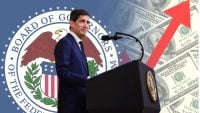
The next major test comes on Aug. 12, when the U.S. Bureau of Labor Statistics releases July’s Consumer Price Index (CPI). If inflation surprises to the upside, it could strengthen the case for Federal Reserve chair Kevin Warsh to support a rate hike at September’s Federal Open Market Committee (FOMC) meeting.
Inflation Data Is About to Take Center Stage
According to a Financial Times report citing people familiar with Warsh’s thinking, the Fed chair remains open to raising interest rates in September if inflation data over the coming weeks runs hotter than expected and financial markets begin pricing in higher borrowing costs.
Granted, the report is based on unnamed sources rather than comments from Warsh himself, so investors should treat it cautiously. Even so, the economic backdrop makes the possibility difficult to dismiss.
Five major inflation reports will be released before policymakers gather for the Sept. 15-16 FOMC meeting. The Aug. 12 CPI report kicks off that stretch, but it won’t be the final word. Two additional reports arrive just days before the meeting, giving Fed officials one last opportunity to gauge whether inflation is accelerating or cooling before they vote.
| Report | Release Date | Why It Matters |
| Consumer Price Index (CPI) | Aug. 12 | First look at whether July’s oil-price surge lifted consumer inflation. |
| Producer Price Index (PPI) | Aug. 13 | Shows whether businesses are facing rising input costs that could flow to consumers. |
| Personal Consumption Expenditures (PCE) Price Index | Aug. 26 | The Fed’s preferred inflation gauge. |
| Producer Price Index (PPI) | Sept. 10 | Final wholesale inflation reading before the Sept. 15-16 FOMC meeting. |
| Consumer Price Index (CPI) | Sept. 11 | The last major inflation report policymakers will receive before deciding on interest rates. |
Let’s start with CPI because it arrives first and often shapes market expectations for the other reports. A hotter-than-expected reading could quickly change how investors price the September meeting.
Oil Prices May Have Changed the Inflation Story
The biggest inflation risk isn’t difficult to identify. Oil prices surged during July after renewed fighting involving Iran disrupted energy markets. West Texas Intermediate crude climbed approximately 21% during the month while Brent crude gained about 24%.
Energy affects almost every part of the economy. Transportation costs rise. Manufacturers pay more to move raw materials. Airlines, trucking companies, and retailers eventually pass those higher expenses to consumers. Government inflation reports have repeatedly shown energy to be one of the largest contributors to inflation’s rebound this year.
Meanwhile, the bond market isn’t signaling confidence that inflation is fully under control. The 30-year Treasury yield remains near its highest level in almost two decades, suggesting investors continue demanding higher compensation for long-term inflation risk.
The Financial Times also noted that inflation swaps — a market-based measure the Fed reportedly monitors closely — currently imply inflation averaging about 2.4% over a five-year period beginning in 2031. That makes this measure different from short-term forecasts. Rather than reacting to temporary swings in gasoline prices or tariffs, it measures whether investors believe inflation will remain elevated over the longer run.
That expectation still sits above the Fed’s 2% target.
Key Takeaway
In short, Aug. 12 could become the most important economic date of the summer. If CPI comes in hot, followed by firm PPI and PCE readings later in the month, the odds of a September rate increase could rise quickly. Add in oil’s July rally and long-term Treasury yields near 20-year highs, and the case for tighter monetary policy becomes more compelling.
That said, investors shouldn’t treat the Financial Times report as confirmation that a rate hike is coming. The reporting relies on anonymous sources rather than direct comments from the Fed chair. Regardless, the inflation data will speak louder than anonymous sources. Smart investors should spend less time debating headlines and more time watching the government’s inflation reports over the next month, because those numbers — not speculation — are likely to determine whether September brings higher interest rates.
Contact [email protected] for any questions or corrections.
After two decades of patrolling the dark corners of suburbia as a police officer, Rich Duprey hung up his badge and gun to begin writing full time about stocks and investing. For the past 20 years, he’s been cruising the markets looking for companies to lock up as long-term holdings in a portfolio while writing extensively on the broad sectors of consumer goods, technology, and industrials. Because his experience isn’t from the typical financial analyst track, Rich is able to break down complex topics into understandable and useful action points for the average investor. His writings have appeared on The Motley Fool, InvestorPlace, Yahoo! Finance, Money Morning, and, of course, 24/7 Wall St. He has been featured in both U.S. and international publications, including MarketWatch, Financial Times, Forbes, Fast Company, and USA Today.