Cramer’s Problem With Jensen Huang Is Not That His Bets Failed. It Is That Every One of Them Worked
Jim Cramer went on air to complain about Jensen Huang, but his complaint was not that anything went wrong. It was that nothing did, and that distinction points to a tension inside Nvidia that its earnings call only partly resolves.

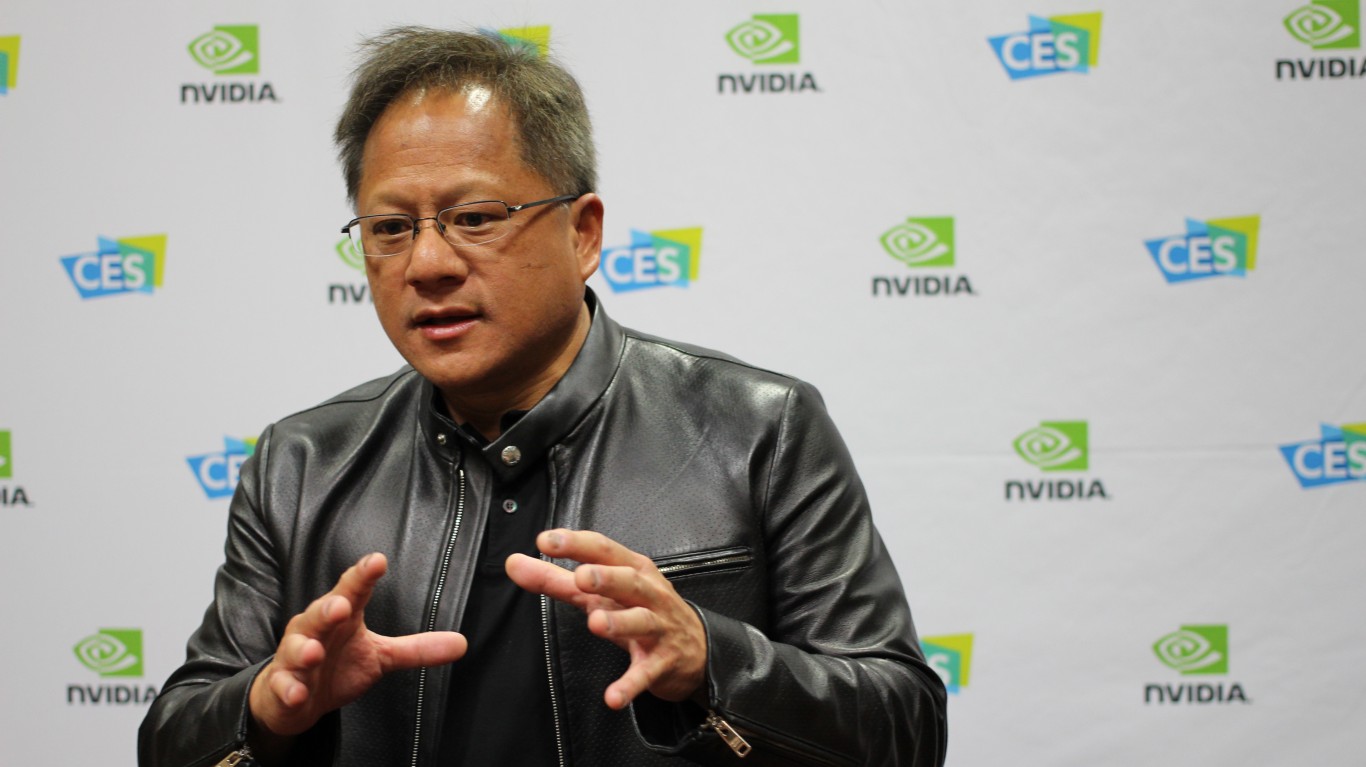
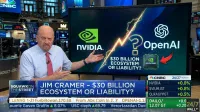
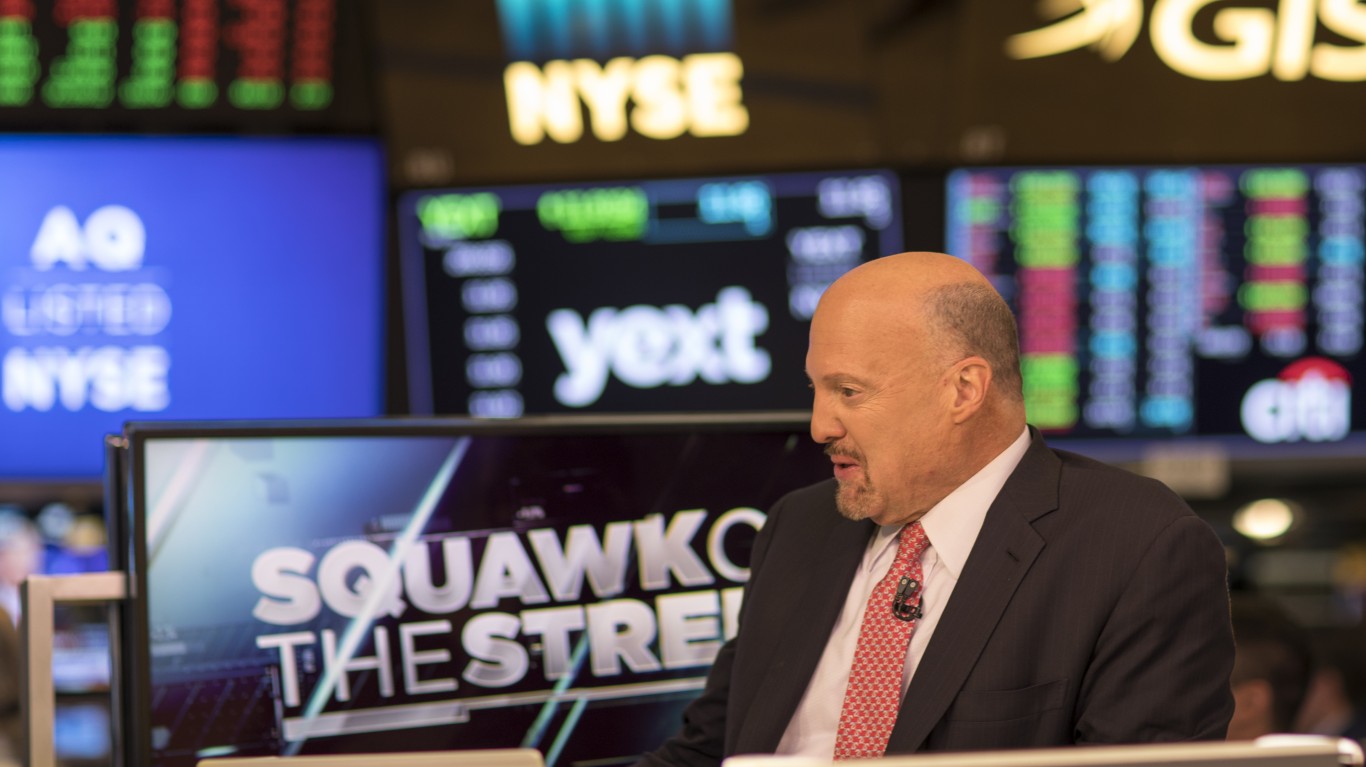
On CNBC’s Squawk on the Street on August 25, 2026, Jim Cramer said something that, at first, reads like praise and, on closer inspection, is a complaint. “Every day you pick up a story of what Jensen’s got invested in. The two Australians [Cramer is talking about Huang’s investments in Australian startups] were something I didn’t realize, and that was kind of all right; he’s even going down to down under. I mean, what are we going to do here? But my problem with it is, is that he’s up on everything.”

An investor complaining that a chief executive is up on everything sounds absurd until you consider what it implies. A portfolio in which nothing has gone wrong is either genuinely exceptional or insufficiently visible for anyone outside to tell, and from the cheap seats those two possibilities look identical. Cramer’s discomfort is about opacity rather than performance. He is learning where NVIDIA (NASDAQ:NVDA | NVDA Price Prediction) capital and its founder’s attention are going one press story at a time, which is a strange way to track a company that closed at $213.05 on August 25, 2026.
What the Company Actually Says About Its Own Money
Nvidia has not been silent about the program. On the May 20, 2026 fiscal Q1 2027 call, CFO Colette Kress said the company “allocated capital effectively across R&D, investments in our ecosystem, and share repurchases” and “returned a record $20 billion to our shareholders while executing strategic investments, both upstream supply chain and downstream go-to-market ecosystem.”
She called that spending “critical to the market’s development and our long-term position.” That is a description of a policy, but it is not a map. For a program funded by a company generating record free cash flow of $49 billion, up from $35 billion the prior quarter, the phrase does a lot of work.
The Q1 release is public in the SEC filing. Nvidia reported revenue of $82 billion, up 85% year over year, and data center revenue of $75 billion, up 92%, at a non-GAAP gross margin of 75.0%, with fiscal Q2 guidance of $91 billion plus or minus 2%.

The company also disclosed that it increased total supply, inclusive of inventory, purchase commitments, and prepaids, to $145 billion. That is the scale against which Cramer’s unease should be measured.
Faber’s Counterargument Deserves Real Weight
David Faber sketched what he thought a company like this could look like at scale, saying it could do “600 billion or more in revenues” at “70 plus 75%” margins. Those are his on-air estimates, not Nvidia guidance.
His framing question was fair: “You got to do something with the money. Why not do it?” A company that raised its quarterly dividend from one cent to 20 cents per share, announced an $80 billion repurchase authorization on top of $39 billion remaining, and plans to return roughly 50% of free cash flow to shareholders this year is not obviously hoarding.
Deploying the other half into the ecosystem it depends on, whether supply, cloud capacity, or partners like Anthropic, where Nvidia said it “deepened our collaboration” and is “a strategic partner to expand their compute capacity”, is defensible for a company at this stage of a buildout.
Cramer’s real objection targets disclosure: the reporting around this program is thinner than the dollars involved, and on that specific complaint he has a point.
Testing the Five to Six Year Longevity Claim
Cramer’s other line was about the depreciation cycle: “I don’t think that the backstops are as dangerous as other people, because I believe that this stuff lasts five, six years.” The strongest evidence comes from Nvidia’s own call.
The company said, “The price of renting an H100 has risen 20% year to date, while A100 cloud pricing is up nearly 15%,” and that “customers are generating profitable revenue beyond the depreciable life of their GPUs.” Older accelerators are getting more expensive to rent, not less, which is the pricing pattern of durable assets rather than commodities headed for obsolescence.
Nvidia further described “The vast and trusted marketplace for NVIDIA Compute” as “a critical foundation on which billions in AI infrastructure spending is being financed by the ecosystem.” That is company-sourced support for Cramer’s longevity view, though the company reporting it also benefits from that view being believed. The buildout also runs on power, cooling, and networking suppliers that rarely make the front page (we profiled seven of them in a free report on the AI infrastructure trade here: 7 Stocks Powering the AI Boom (That Aren’t Chipmakers)).
There are really two questions inside Cramer’s segment. The first is whether the capital deployment is sound, and the evidence broadly supports that it is, given the durability of installed GPU pricing, the pace of the buildout, and the shareholder return policy running alongside it.
Nvidia reports fiscal Q2 after the close on August 26, 2026. That might answer them.
Contact [email protected] for any questions or corrections.
Omor Ibne Ehsan is a writer at 24/7 Wall St. He is a self-taught investor with a focus on growth, cyclical, and dividend equities that have strong fundamentals, value, and long-term potential. He also has an interest in high-risk, high-reward investments such as penny stocks.