Tesla’s Impossible Comeback
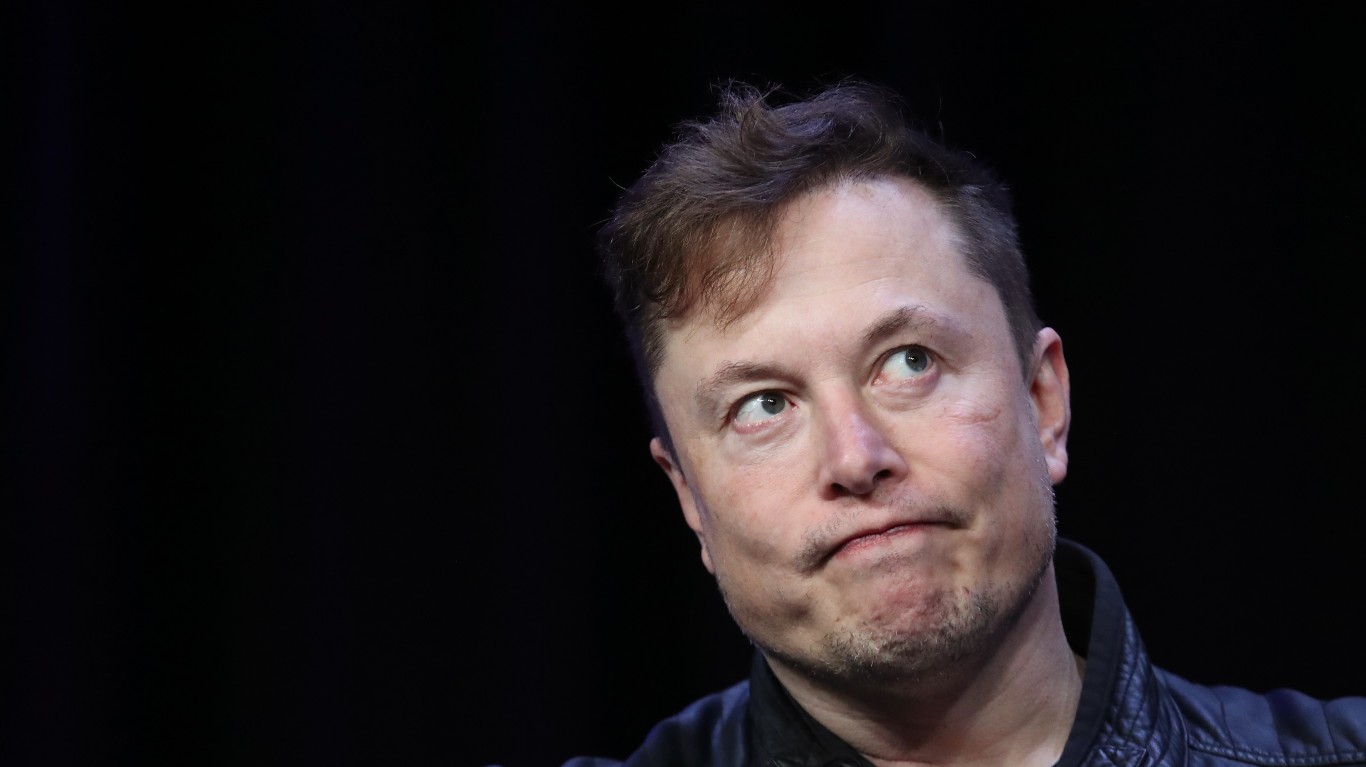
Tesla once dominated the EV revolution and captivated investors worldwide, but a cascade of forces has put Elon Musk in a corner with no obvious escape route.


There was a time when Tesla (NASDAQ: TSLA | TSLA Price Prediction) was America’s hot stock. The Thomas Edison of his age, Elon Musk, created a path forward, especially for EVs. This wasn’t limited to the US. Tesla had made impressive inroads across China, the world’s largest EV market. It even made advances in Europe, which was not a place for early adopters. That has changed recently.
But look at the numbers. Tesla’s stock is down 21% this year. The S&P is 12% higher. Over the last year, Tesla’s stock is up 8%. The S&P is up 20%. Over the last five years, Tesla’s stock is up 46%. The S&P rose 69% over that period.
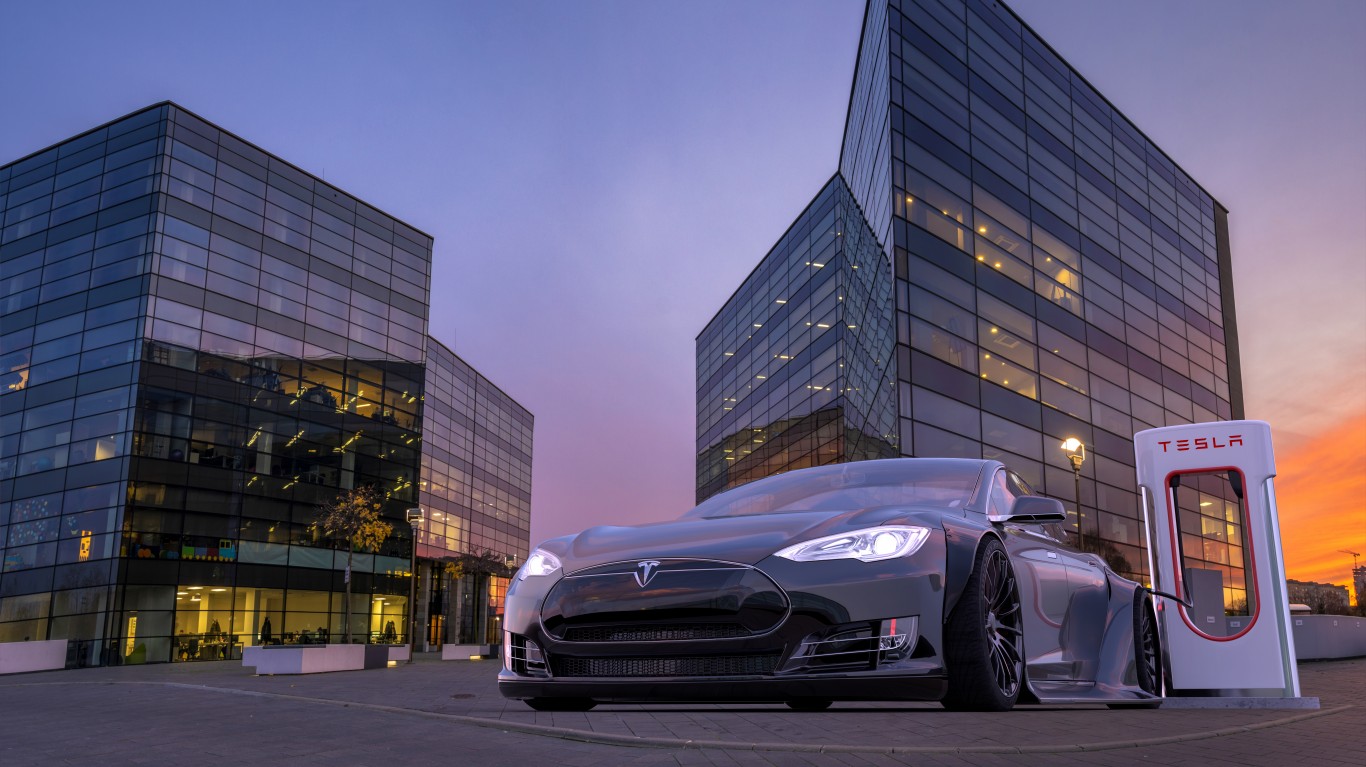
Tesla had some success with its two early models, the Model S and Model X. They were high-performance EVs with equally high prices. When Tesla introduced the Model 3 and Model Y, it offered vehicles priced closer to $50,000. These price points helped cause a surge in Tesla’s sales.
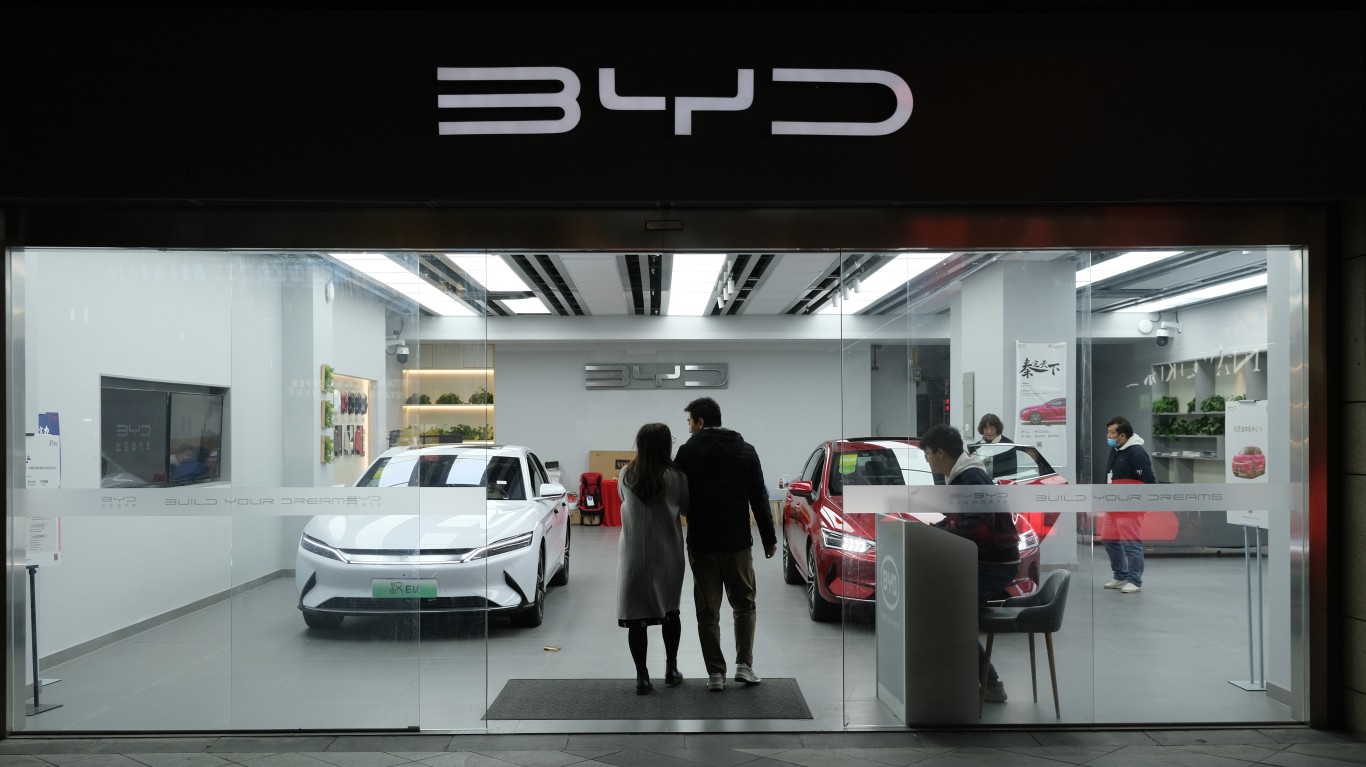
Over the last three years, Tesla has faced strong headwinds. First, US adoption never met the goal set by the federal government and some of America’s large car companies. Additionally, China’s EV companies began to grow rapidly, partly because of government financial support. China’s BYD became the world’s largest EV company and succeeded in parts of Asia, South America, and, more recently, Europe. Tesla didn’t just face competition; it faced lower-cost production companies that made very good vehicles. Tesla’s market share in China began to fade.
Tesla could never overcome US car buyers’ objections to EVs. Most had ranges of only 300 miles. Furthermore, charging stations were too few. In some cities where they were available, lines often formed, and vandalism was occasional.
Cheap gas prices, until recently, made Americans happy to stay in the fossil fuel-powered vehicle market. People could at least find gas stations easily.
Elon Musk has not been able to sell Tesla’s future very well. It is a world in which people do not have to drive their cars at all—AI will do it for them. The Robotaxi is envisioned as the preferred way for Americans to travel around cities, and the world will have hundreds of millions of robots. Musk’s Optimus robot is intended to lead in this market. However, many analysts of the future of robotics do not share Musk’s enthusiasm.
Musk does not have a clear way to claw back his EV market share, and investors are not buying into his dreams.
Contact [email protected] for any questions or corrections.
Douglas A. McIntyre is the co-founder, chief executive officer and editor in chief of 24/7 Wall St. and 24/7 Tempo. He has held these jobs since 2006.
McIntyre has written thousands of articles for 24/7 Wall St. He is an expert on corporate finance, the automotive industry, media companies and international finance. He has edited articles on national demographics, sports, personal income and travel.
His work has been quoted or mentioned in The New York Times, The Wall Street Journal, Los Angeles Times, The Washington Post, NBC News, Time, The New Yorker, HuffPost USA Today, Business Insider, Yahoo, AOL, MarketWatch, The Atlantic, Bloomberg, New York Post, Chicago Tribune, Forbes, The Guardian and many other major publications. McIntyre has been a guest on CNBC, the BBC and television and radio stations across the country.
A magna cum laude graduate of Harvard College, McIntyre also was president of The Harvard Advocate. Founded in 1866, the Advocate is the oldest college publication in the United States.
TheStreet.com, Comps.com and Edgar Online are some of the public companies for which McIntyre served on the board of directors. He was a Vicinity Corporation board member when the company was sold to Microsoft in 2002. He served on the audit committees of some of these companies.
McIntyre has been the CEO of FutureSource, a provider of trading terminals and news to commodities and futures traders. He was president of Switchboard, the online phone directory company. He served as chairman and CEO of On2 Technologies, the video compression company that provided video compression software for Adobe’s Flash. Google bought On2 in 2009.