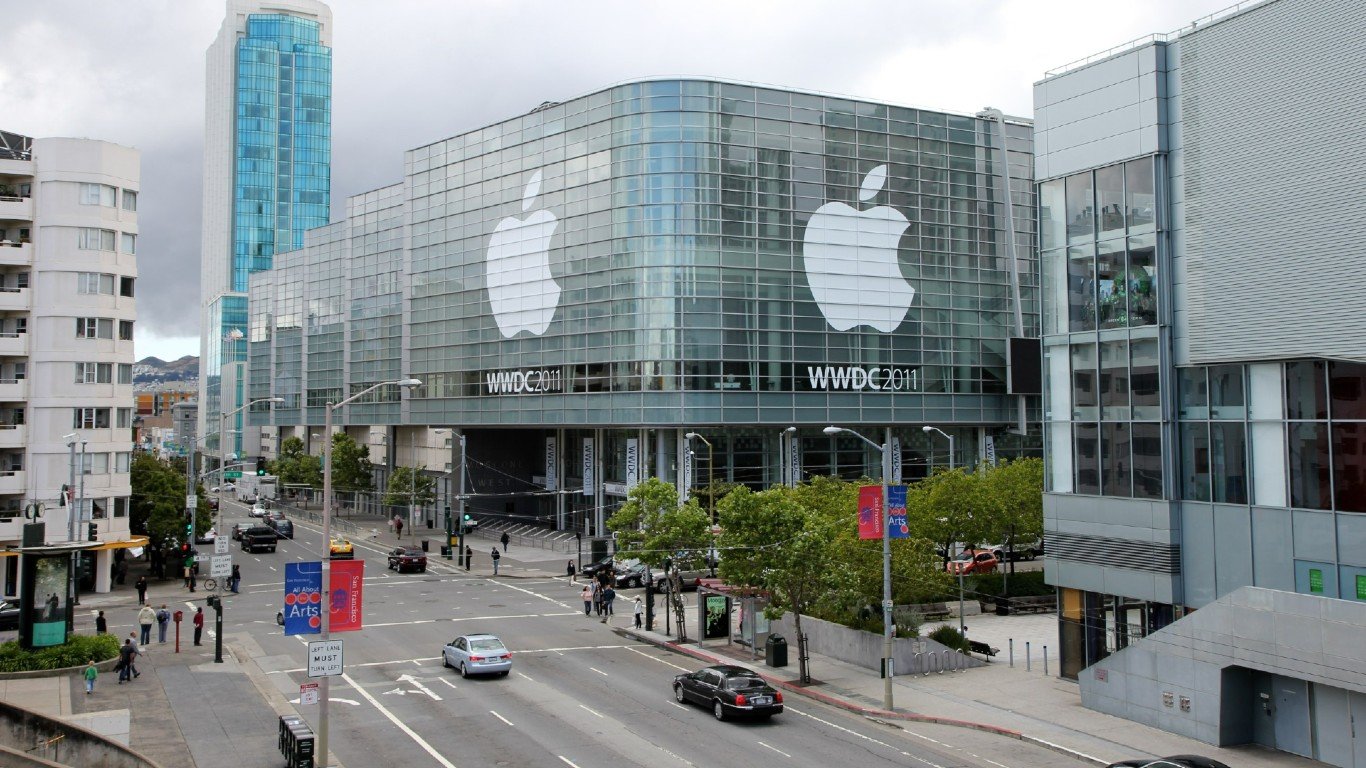
Apple’s Sept. 9 Event Could Change Everything
Apple's September event promises foldable hardware and next-generation chips, but the real question is whether a company battling a memory pricing crisis and China exposure can keep its decade-long streak of rewarding patient shareholders intact.

This post may contain links from our sponsors and affiliates, and Flywheel Publishing may receive compensation for actions taken through them.
I keep clicking buy on Apple (NASDAQ:AAPL | AAPL Price Prediction), and my brokerage statement shows it. The Sept. 9 event is simply the next chapter of a story I already own, and my dollar-cost average is going along for the ride.
Here is what pulls me back to the ticker every month. Apple sits on an install base that surpassed 2.5 billion active devices as of Q1 FY2026. Every one of those users is a live monetization channel, and the Services segment keeps pulling the lever. Services revenue hit $30.74B in Q3 FY2026 at a 75.6% gross margin. A quarter of the company runs on software economics, and that is the piece the market keeps underrating.
The financials back the conviction. Revenue in Q3 FY2026 rose 16.36% YoY to $109.42B, and iPhone alone grew 22% year over year on the iPhone 17 lineup. EPS came in at $2.02 versus $1.89 estimate, the ninth straight beat. Return on invested capital sits at 53.35%, with an operating margin of 31.97%. Companies that compound at those spreads for years tend to make patient shareholders wealthy.
Capital return is the third leg. Apple ran through $62.09B in buybacks over the nine months through June 27, 2026, raised the dividend 4% in Q2 FY2026, and authorized another $100B in repurchases. The $0.27 quarterly dividend only yields 0.33%, but total shareholder yield tells a different story. My share count shrinks without me lifting a finger.
Passing on the Obvious Alternatives
The default push from every mega-cap tech investor I know is toward Microsoft (NASDAQ:MSFT) or Alphabet (NASDAQ:GOOGL). I own some of both. I still choose Apple for fresh capital because the combination I want lives here: a hardware install base customers replace on a cadence they set themselves, paired with a cash-return machine that moved $62.09B back to shareholders in three quarters against a $4.67 trillion market cap. Nine straight EPS beats and a Q3 net income of $29.79B earn the top of my watchlist.
One Risk I Refuse to Wave Away
Memory pricing is real. CFO Kevan Parekh said that more than 100% of the sequential gross-margin decline into the September quarter, excluding tariff refunds, traces to memory cost, and Tim Cook called it a “100-year flood on the memory pricing”. Layer on Greater China exposure and tariff dependency. What keeps me buying anyway: Apple raised prices on iPad and Mac, guided September-quarter revenue growth of 9% to 11%, and still projects gross margin of 47% to 48%. Pricing power answers input inflation.
What Sept. 9 Actually Signals
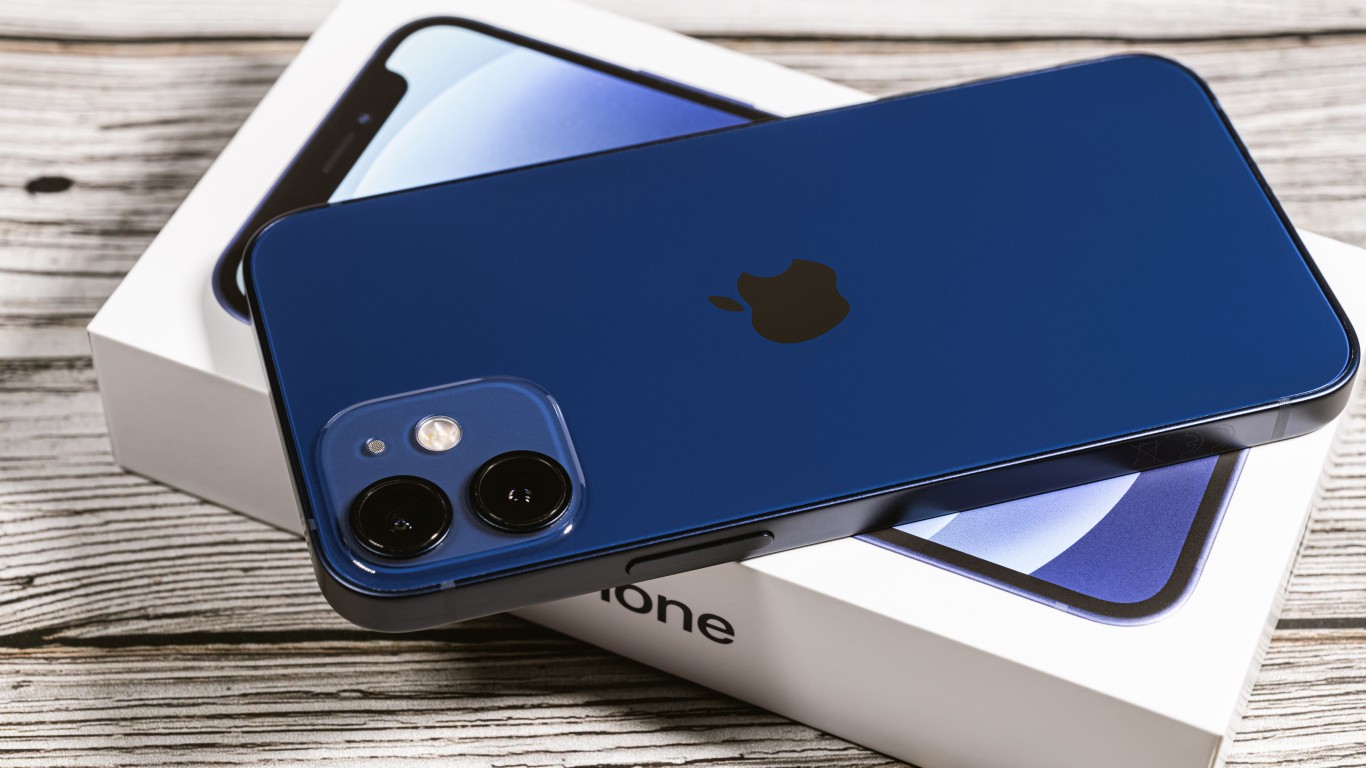
The iPhone 18 Pro and Pro Max with 2nm A20 Pro chips, plus the hardware debut of the iPhone Fold, will grab the headlines at Tuesday’s event. Prediction markets currently price a foldable announcement at 0.981 probability. What matters to me is the same thing that mattered before the invitation went out: a company earning $29.79B in quarterly net income, sitting on $147 billion in cash and marketable securities, feeding a Services engine that compounded to a $30.98B all-time record in the prior quarter. Sept. 9 is a receipt on a thesis I already own, and every product cycle since I started buying has widened the moat.
I will keep clicking buy.
Contact [email protected] for any questions or corrections.
Alex Sirois is a financial writer with experience spanning both retail and institutional investing. He has written for InvestorPlace and held roles at BNY Mellon and Bernstein, giving him a perspective that bridges Main Street portfolios and Wall Street analysis.
Alex holds an MBA from George Washington University and has built his career across multiple industries, including e-commerce, education, and translation — a breadth of experience that informs how he breaks down complex financial topics for everyday investors. His writing is conversational, actionable, and grounded in long-term, buy-and-hold investing principles.
At 247 Wall St., Alex focuses on delivering analysis that is both accessible and useful, with a clear emphasis on helping readers make more informed decisions with their money.