Uber Falls 4% on Tesla Cybercab Threat as Slovenia Clears Full Self-Driving; TSLA Stock Rises 4%
Tesla's expanding robotaxi footprint is sending ripples through the rideshare market, and Uber shareholders are absorbing the hit even though Uber's own results gave them no reason to sell.

A single robotaxi story is pulling two of the market’s biggest mobility names in opposite directions Tuesday afternoon. Uber Technologies (NYSE:UBER | UBER Price Prediction) is sliding as investors weigh the competitive threat from a manufacturer that could run its own purpose-built fleet. Tesla (NASDAQ:TSLA) is climbing 4% to $366.84 on regulatory progress in Europe and the debut of the Cybercab in Austin.
Uber stock is down 4% to $73.10 in afternoon trading, giving back ground even as large-cap tech holds firm. Meanwhile, Tesla stock is trading higher on the very catalyst weighing on the rideshare peer. For context, the Invesco QQQ Trust (NASDAQ:QQQ) is nearly unchanged on the session at $719.16, so this reads as a name-specific rotation inside large-cap tech.

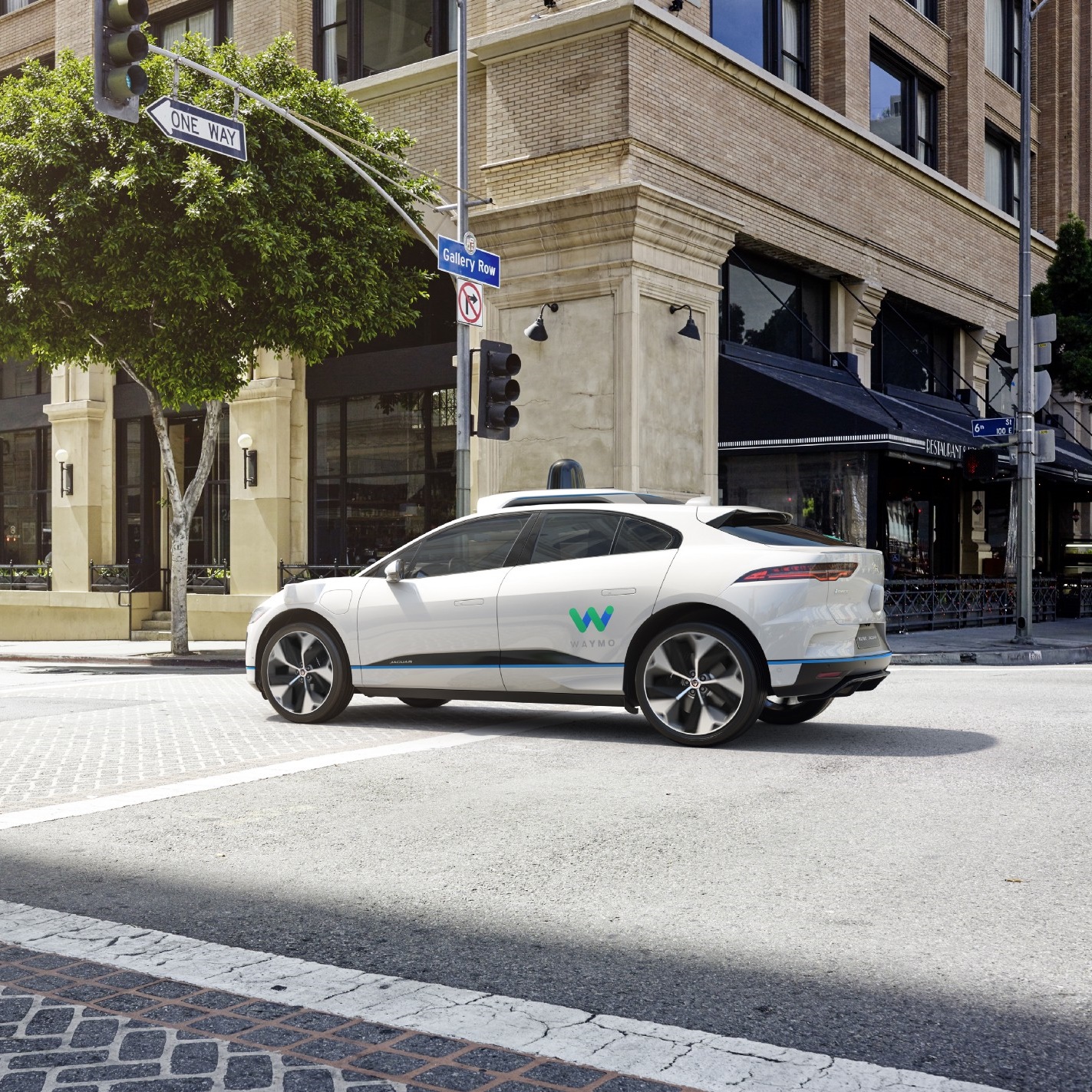
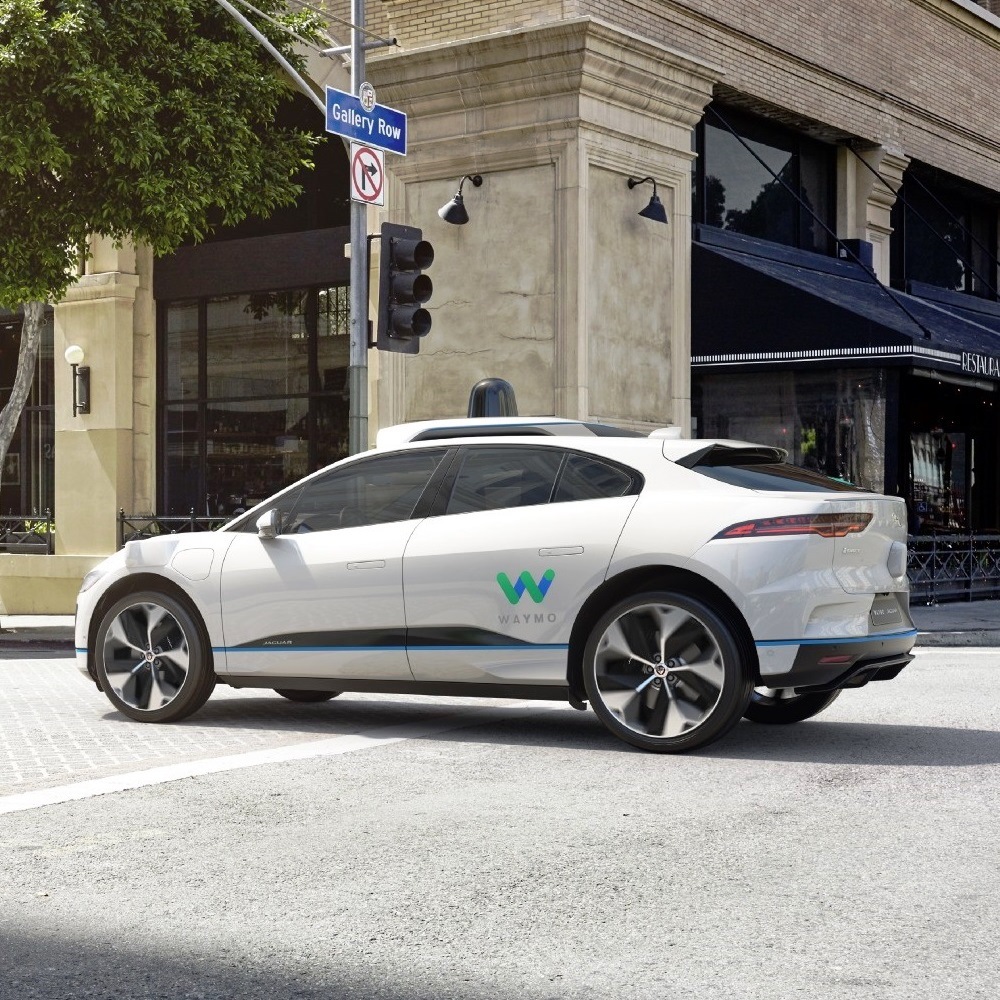
Direct rideshare peer Lyft (NASDAQ:LYFT) is also lower on the same read, even as its own autonomous-vehicle (AV) positioning leans on a Waymo partnership that began fleet operations in Nashville in June. Furthermore, the Global X Autonomous & Electric Vehicles ETF (NASDAQ:DRIV) is nearly unchanged for today’s session at $34.83, so there doesn’t appear to be a major sector-wide move in progress.
Slovenia Clearance and Cybercab Debut Drive the Split
Slovenia’s traffic safety authority cleared Tesla’s Full Self-Driving system, making it the sixth European market to approve the software after the Netherlands, Lithuania, Estonia, Denmark, and Belgium, according to Reuters. The clearance was characterized as a temporary type approval, and the system still requires an attentive driver responsible for the vehicle. That’s national permission rather than an EU-wide runway, and the distinction matters to the timeline math.

Separately, Tesla introduced the Cybercab in Austin, a vehicle built specifically for autonomous ride-hailing, seating two, with no steering wheel and no pedals. On its Q2 2026 earnings call, Tesla said its unsupervised Robotaxi fleet had accumulated “more than 380,000 miles of unsupervised Robotaxi, now across six cities” with “zero notable incidents”. Robotaxi operations already run unsupervised rides in Austin, Dallas, Houston, Miami, Orlando, and Tampa across seven U.S. markets.
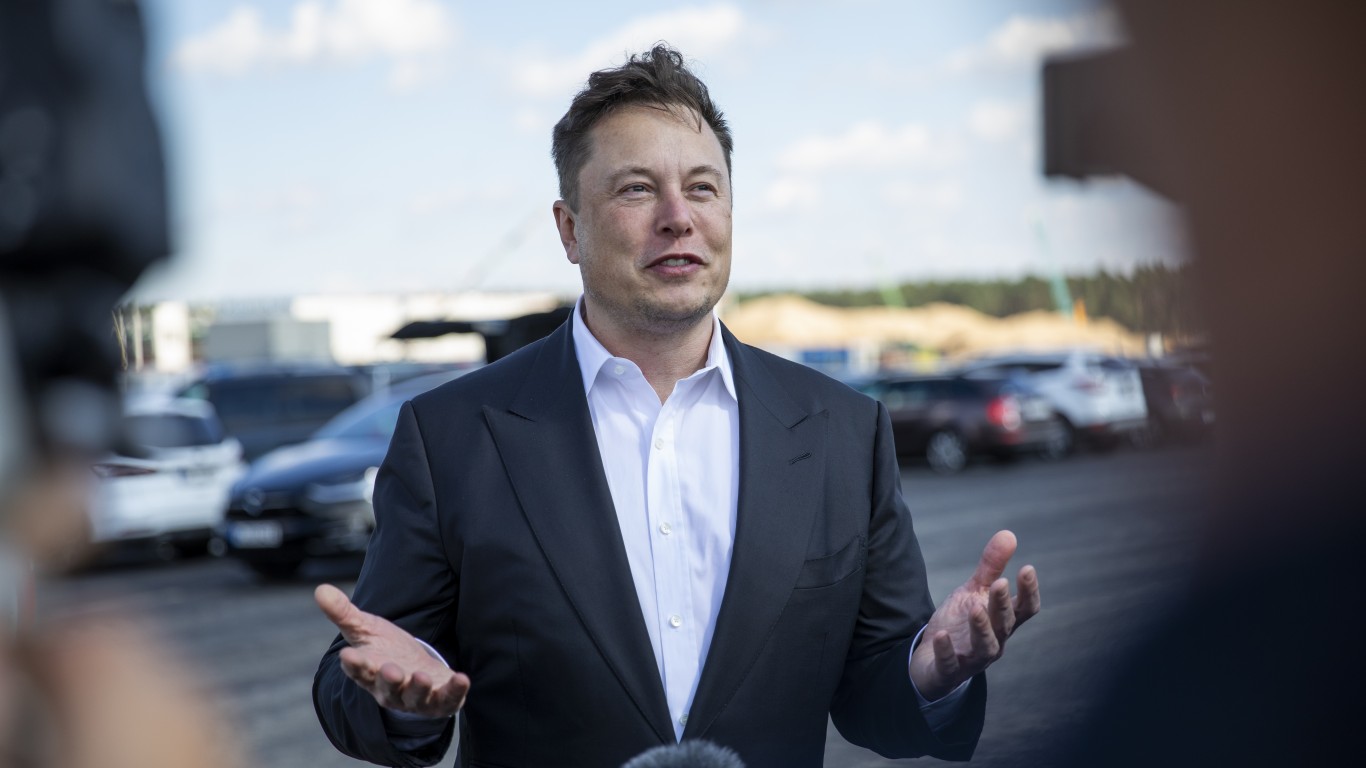
Tesla’s Q2 2026 report showed revenue of $28.24 billion, up 25.5% year over year, and record deliveries of 480,126 vehicles, so the FSD monetization runway sits on top of solid vehicle volume rather than propping it up. Active FSD subscriptions reached 1.48 million paid customers globally, up 56% year over year, and Tesla CEO Elon Musk said on the call that Tesla is “going as fast as humanly possible in scaling Robotaxi” while trying to avoid harm.
Where the Rideshare Case Diverges
The bear case for Uber stock today isn’t about the company’s results. Uber reported Q2 2026 revenue of $14.19 billion, up 12.2% year over year, with gross bookings of $58.02 billion and 3.9 billion trips across 208 million monthly active platform consumers. The company generated free cash flow of $2.79 billion and repurchased $518 million of its stock during the quarter.
The concern is structural. If a manufacturer can operate its own robotaxi network with vehicles designed for the job, the marketplace layer Uber monetizes loses some of its scarcity value. Uber CEO Dara Khosrowshahi has framed the response as an ambition to become “the world’s leading commercialization platform for autonomous vehicles.”
Uber has committed a $10 billion multi-year AV investment, and management noted AV trips today sit at “less than 0.5%” of Uber’s 300 million weekly rides. Lyft’s own numbers underscore how narrow the peer set is when the robotaxi question intensifies. Lyft posted Q2 2026 revenue of $1.84 billion, up 16.1% year over year, with 30.5 million active riders and gross bookings of $5.5 billion.
The QQQ contrast sharpens the read. Tesla makes up 3% of the fund’s net assets, so Tesla’s rally shows up in the underlying holding while the ETF itself is essentially flat, and the Uber pain is showing up in the stock rather than sector data.
What to Watch Next
The tension in this trade is worth noting. Uber is being charged for an event driven outside its own results while itself expanding AV partnerships across Europe and the U.S., and Tesla is being rewarded for regulatory progress that still requires a driver at the wheel. Whether the split survives contact with actual fleet economics remains unresolved.
Traders can watch for signs that Tesla’s Cybercab timeline firms up with U.S. federal clearance, since NHTSA approval for full Cybercab scaling has not yet been granted. Investors weighing their exposure to Uber stock should calibrate their positions carefully given that Uber trades at a P/E of 15 with a $149.5 billion market cap and no earnings miss driving today’s decline.
Contact [email protected] for any questions or corrections.
David Moadel is financial writer specializing in stocks, ETFs, options, precious metals, and Bitcoin. David has written well over 1,000 articles for leading online publications, helping investors understand markets, income strategies, and risk.His work has appeared in The Motley Fool, InvestorPlace, U.S. News & World Report, TipRanks, ValueWalk, Benzinga, Market Realist, TalkMarkets, Finmasters, 24/7 Wall St., and others.With a master’s degree in education, David has taught at the elementary, high school, and college levels. That teaching background shapes his writing style: clear, educational, and practical. David has also built a loyal social-media audience by providing trustworthy financial content on YouTube, X/Twitter, and StockTwits.