In 2023, Mark Cuban Sold A Single Asset For $3.5 Billion. Less Than 3 Years Later He Admitted He Had Regrets. When Asked About The 1,100% Return He Made On The Dallas Mavericks, He Said, ‘I Don’t Regret Selling. I Regret Who I Sold To.’
Mark Cuban walked away from a sale most investors would celebrate for a lifetime, but three years later he chose two words to describe the buyer that raised more questions than the price ever answered.

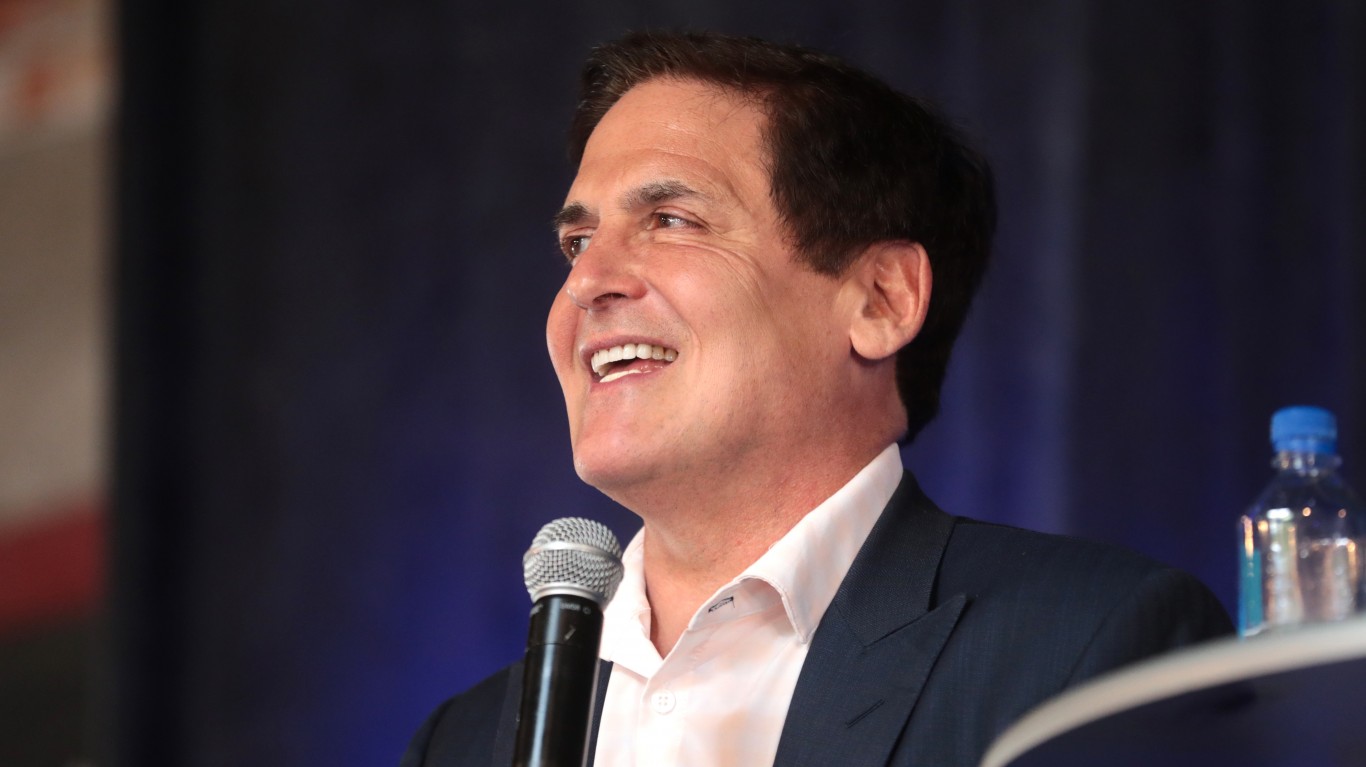
Few owners in professional sports have exited on better financial terms than Mark Cuban. He bought the Dallas Mavericks in January 2000 for $285 million. On December 27, 2023, the NBA Board of Governors unanimously approved the sale of the franchise by a vote of 29 to nothing, at a reported deal valuation of $3.5 billion.
The return has been reported as more than 1,100%, also described as more than 12 times his original investment. Investors who measure a good year in single or low double digits rarely see a multiple of that size on a single asset.
What the $3.5 Billion Headline Really Measures
The $3.5 billion figure is the reported enterprise valuation. It describes what the team was worth in the transaction, separate from what Cuban personally received. His 2000 purchase may not have been a full stake, and the sale structure, including debt and minority partners, has not been disclosed.
The figure varies by outlet. The $3.5 billion is most consistently referenced, though Dallas News reported $3.8 billion to $3.9 billion at NBA approval, while Sportico’s December 2023 valuation placed the team at $2.77 billion. The actual price was never disclosed.
What Cuban Kept and What He Handed Over
The Adelson and Dumont families acquired 69% of the franchise. Cuban kept 27.7%.
Cuban was expected to keep operational control of basketball operations through a handshake agreement never formalized in the sale documents. The Adelson and Dumont side held final say on business and basketball decisions. Patrick Dumont, Miriam Adelson’s son-in-law, became the team’s governor, according to CBS News.
Cuban’s Regret Centers on the Buyer
The Athletic reported Cuban’s regret on March 30, 2026, with Dallas News, Yahoo Sports and WFAA covering the story the same day. Cuban said: “I don’t regret selling. I regret who I sold to. I made a lot of mistakes in the process, and I’ll leave it at that.”
Cuban stands by the sale and says nothing against the price. His regret targets the counterparty. The comments surfaced less than three years after league approval.
Trade That Tested the Handshake
Per CBS News, the complaint centers on the trade sending Luka Doncic to the Los Angeles Lakers, a move Patrick Dumont approved.
Cuban was at a conference in Florida when then-general manager Nico Harrison texted him to call: “I thought he was asking me what I thought about a potential trade for Luka. He was like, ‘No, Mark. It’s done.'”, according to Intersections podcast
Cuban then described calling Dumont: “He started telling me stuff that wasn’t true, that he had been told as the reason why he approved it. And I’m like, ‘That’s not true. This is a mistake.’ But nothing I can do.”, according to Intersections podcast
Cuban dismissed criticism of Doncic’s conditioning on the Intersections podcast: “He’s not going to be the guy who takes his shirt off for the cover of a magazine, you know? I don’t care if he’s overweight. He’s going to give you 30 points, 10 rebounds and 10 assists.” On why the player was worth keeping: “That’s what defines Luka magic, because it wasn’t the plays in the second or third or fourth quarter. It was the plays at the end of the game where he would do something spectacular. And there are so few people who are able to do that. You don’t trade him.”
Four Words Every Minority Owner Should Notice
The most important phrase in the interview is “but nothing I can do.”, according to Intersections podcast
Cuban kept a substantial minority stake and what he understood to be basketball operations control. That control rested on a handshake never formalized in the sale documents. The trade became the test case, showing exactly what an unwritten agreement is worth when the counterparty holds final say. A minority stake coupled with informal understanding offers the appearance of control, lasting only as long as the majority owner respects it.
Two Truths About One Transaction
By any financial measure, the sale was an extraordinary outcome, a reported return of more than 1,100% on a single asset. By Cuban’s own account, he made a lot of mistakes in the process and regrets the buyer he chose. Both statements come from the same man about the same deal, and both stand on the record.
Contact [email protected] for any questions or corrections.
AJ spent 10 years writing about financial markets at The Motley Fool. His coverage centers on technology stocks and the broader macroeconomic trends, from interest rates to geopolitics, that shape where markets are headed next. AJ is drawn to the stories where big-picture economics and individual companies collide.