Heating Oil Bills Expected To Jump 31.3% This Winter, With Northeast Households Averaging Nearly $2,300. Natural Gas Users Could Catch A Break
A war thousands of miles away is about to show up at the doors of millions of Northeast homes this winter, and the timing could not be worse for families already stretching their budgets. Not everyone, though, is bracing for…

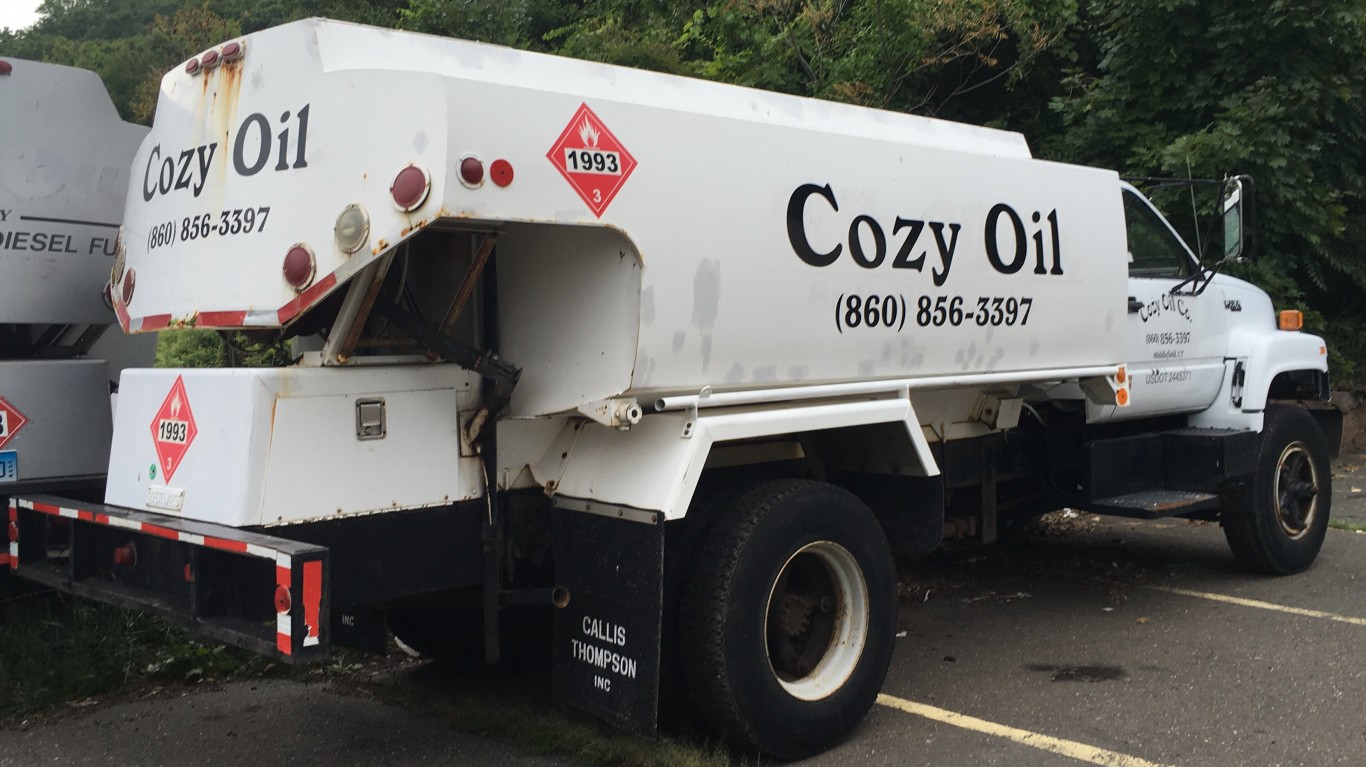
Heating oil households will pay an average of nearly $2,300 between mid-November and mid-March, the National Energy Assistance Directors Association projected in mid-September. That represents a 31.3% increase from last winter in total seasonal spending per household, according to National Energy Assistance Directors Association (NEADA).
According to CBS News, nearly 4.8 million U.S. homes use heating oil, with about 82% in the Northeast.
Why a War Overseas Reaches Northeast Driveways
The U.S. war with Iran that began at the end of February disrupted shipping through the Strait of Hormuz. Brent crude, the source of nearly all U.S. heating oil, sat at $106 a barrel in mid-September, per MassLive, up more than 30% since the war began. Heating oil is refined from that crude, so the wholesale move flows directly to delivery bills.
“While the war may be thousands of miles away, families will feel it when the heating oil truck pulls into their driveways,” said NEADA executive director Mark Wolfe. President Trump rejected Iran’s plan to reopen the Strait, and senators from both parties have asked him to release emergency heating oil.
Natural Gas Households Catch a Break
The American Gas Association (AGA) projects gas households will pay about 14% less than last winter, averaging out $497 from November through March versus around $794 for electric space heating.
The U.S. Energy Information Administration expects record dry gas production averaging out 111.7 billion cubic feet per day in 2026, with underground reserves at their highest pre-winter mark since 2016. Natural gas “enters this winter in a strong supply position,” said AGA’s vice president of energy markets, analysis and standards.
How Both Forecasts Can Be Right
AGA measures natural gas space heating only. The National Energy Assistance Directors Association forecasts overall winter heating costs rising more than 8.7% to an average of $1,030 over the coldest four months. Your bill depends on what you burn.
Weather drives home the point. El Niño should make this winter warmer than recent ones, and NEADA still projects costs rising on higher global energy prices.
Cheap Gas Faces Future Pressure
Jason Hayes noted upward pressure ahead. The Heritage Foundation senior research fellow said delayed pipelines including Jordan Cove, Constitution and Northern Access; Iran-linked disruption to Qatari liquefied natural gas (LNG) redirecting export flows; and rising electrification and data center demand. Those risks point at future winters.
What to Watch Before the First Delivery
Keep an eye on Brent before the heating season opens in mid-November. Mideast oil exports are rebounding, including from Saudi Arabia’s Red Sea ports, but prices remain high.
Contact [email protected] for any questions or corrections.
AJ spent 10 years writing about financial markets at The Motley Fool. His coverage centers on technology stocks and the broader macroeconomic trends, from interest rates to geopolitics, that shape where markets are headed next. AJ is drawn to the stories where big-picture economics and individual companies collide.