Lyft Dropped 30% in One Year: One Pro Analyst Says It’s Going to Double in the Next 12 Months
Lyft's stock keeps falling even as its bookings and cash flow grow stronger, and one analyst sees a full double from here while 29 others are still waiting for proof. The gap between those two views tells you everything about…


Lyft (NASDAQ:LYFT | LYFT Price Prediction) trades at $15.07. The average analyst price target is $19.44, which works out to about 29% of potential upside.
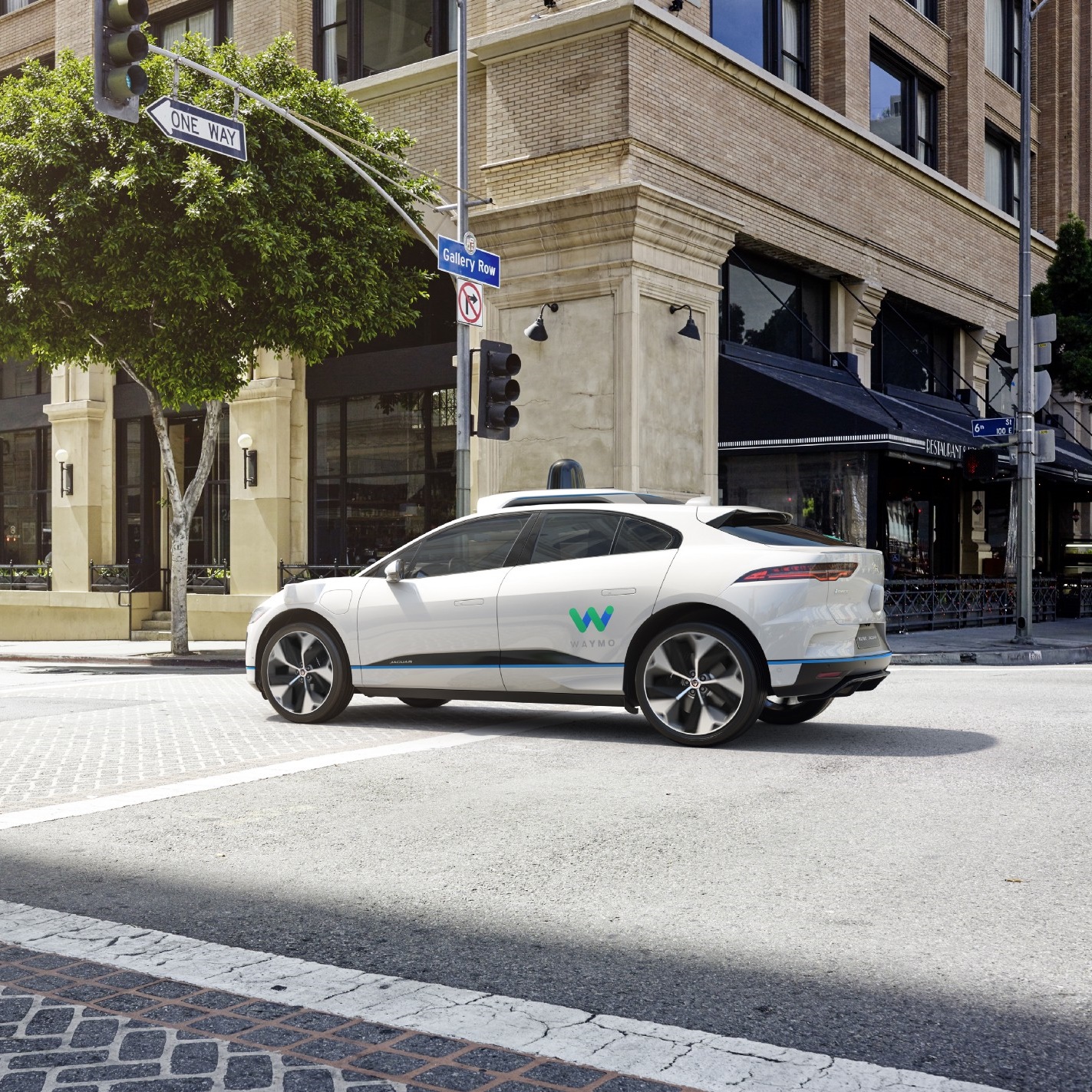
Lyft runs a rideshare network in North America and Europe (as Freenow by Lyft), now integrating human drivers with autonomous vehicles from Waymo, Baidu and Tensor. TD Cowen’s John Blackledge is the most bullish analyst, reiterating a Buy rating with a $30.00 target, meaning about 99% upside.
That gap matters because Lyft’s runs numbers keep getting better while its stock price keeps falling.
Robotaxi Fears and Earnings Misses Drove a 34% Slide
Lyft has lost 34.28% over the past year. Coverage points to concerns over rising costs, competition, and robotaxi uncertainty. The fear is that driverless fleets will turn human-driven rides into a commodity.
Earnings added pressure. In Q1, EPS came in at $0.04, missing the $0.07 estimate, as sales and marketing spending rose 68% to $272.9 million. In Q2, revenue of $1.84 billion beat estimates, but EPS of $0.13 missed the $0.14 estimate. The stock fell 14.86% in the past month.
TD Cowen Sees a Double While Most of the Street Waits
TD Cowen’s case has three parts:
- Partnerships: Deals like the DoorDash integration and AV fleet partnerships add to gross bookings.
- Ride frequency: Subscriptions and better driver supply help Lyft ride more often with users and hold share in core U.S. cities.
- Margins: Cost control and steadier insurance costs expand margins and free cash flow.
Latest numbers support the bull case. Partnerships account for about 30% of North American rideshare rides. Gross bookings grew 23% to $5.5 billion. Adjusted EBITDA rose 37%. Q3 guidance calls for an adjusted EBITDA margin of 3.3% to 3.6%, up from 3.2%. Waymo supply sharing is expected “before the end of the year”.
Analysts expect EPS to rise from $0.5466 this year to $0.9667 next year. Over the past 30 days, 2027 estimates saw 22 higher revisions and 10 downward ones. RBC also maintained its Buy after Q2. Of 45 analysts, 4 rate the stock Strong Buy, 11 Buy, 29 Hold and 1 Strong Sell. The CFO called the near-term AV profit impact “frankly pretty de minimis.”
Uber and DoorDash Sank Right Alongside Lyft
Lyft’s biggest peers have fallen almost as far in the same period.
Uber (NYSE:UBER) is down 29.2% over the past year and trades at $69.36. Its average target is $100.77, meaning 45% upside. 43 of its 51 analysts rate it a Buy or better, which is far stronger support than Lyft gets.
DoorDash (NASDAQ:DASH) is down 31.21% over the past year and trades at $187.1. Its average target is $256.26, meaning 37% upside. 35 of its 45 analysts rate it a Buy or better.
Measured against average targets, Uber has the most upside of the three and Lyft has the least. Lyft only looks cheapest if you use TD Cowen’s outlier target. None of these targets is a guarantee.
Lyft Trails the S&P 500 While Trading at 9x Forward Earnings
At $15.07, Lyft is about 29% below the $19.44 average target from 45 analysts. It trades at about 9x forward earnings with a free cash flow yield of 19.6%.
Lyft is down 22.2% year to date, while the S&P 500 is up 12.07%. Over one year, Lyft has lost 34.28%, compared with a gain of 15.15% for the index.
Cash Flow Supports Lyft, but Robotaxis Cap the Upside
Lyft looks attractive if margin expansion holds and the Waymo partnership adds rides without eating away pricing. It looks risky if marketing spending outpaces earnings or robotaxis compress rideshare prices faster than partnerships can offset.
For the bull case to play out, Lyft needs to hit its EBITDA guidance each quarter, keep generating more than $1 billion in trailing free cash flow and show that AVs grow the overall market. On the bear side, the risk is that Lyft becomes a price-taker running fleets for companies that own the autonomous technology.
The realistic target is the $19.44 consensus rather than a double. With 29 Hold ratings, most of the Street wants proof before following TD Cowen.
Contact [email protected] for any questions or corrections.
Alex Sirois is a financial writer with experience spanning both retail and institutional investing. He has written for InvestorPlace and held roles at BNY Mellon and Bernstein, giving him a perspective that bridges Main Street portfolios and Wall Street analysis.
Alex holds an MBA from George Washington University and has built his career across multiple industries, including e-commerce, education, and translation — a breadth of experience that informs how he breaks down complex financial topics for everyday investors. His writing is conversational, actionable, and grounded in long-term, buy-and-hold investing principles.
At 247 Wall St., Alex focuses on delivering analysis that is both accessible and useful, with a clear emphasis on helping readers make more informed decisions with their money.