Trump Threatens To Ban Diesel Exports To France And Germany Unless They Release 120 Million Barrels From Reserves. Analysts Say Ban Could Backfire On American Drivers.
Washington is threatening to cut off diesel exports to France and Germany unless they drain 120 million barrels from emergency reserves, but the official wielding that threat already said the tool is broken.

This post may contain links from our sponsors and affiliates, and Flywheel Publishing may receive compensation for actions taken through them.
The Trump administration has put a price on transatlantic goodwill, and it is measured in oil. Through Energy Secretary Chris Wright, Washington is pressing the European Union, and France and Germany specifically, to release 120 million barrels of diesel from emergency reserves over six months, Reuters reported. If they refuse, the two countries could face a US diesel export ban aimed directly at them.
The official US line: “It is in Europe’s best interest to work with the United States as we pursue multiple pathways to boost the supply of refined products and lower costs for consumers.”
Reuters built its report on anonymous sources without on-the-record confirmation. Trump acknowledged a diesel export ban could have a “negative impact” on gasoline, according to CNBC.
Why Washington Is Leaning on Europe Right Now
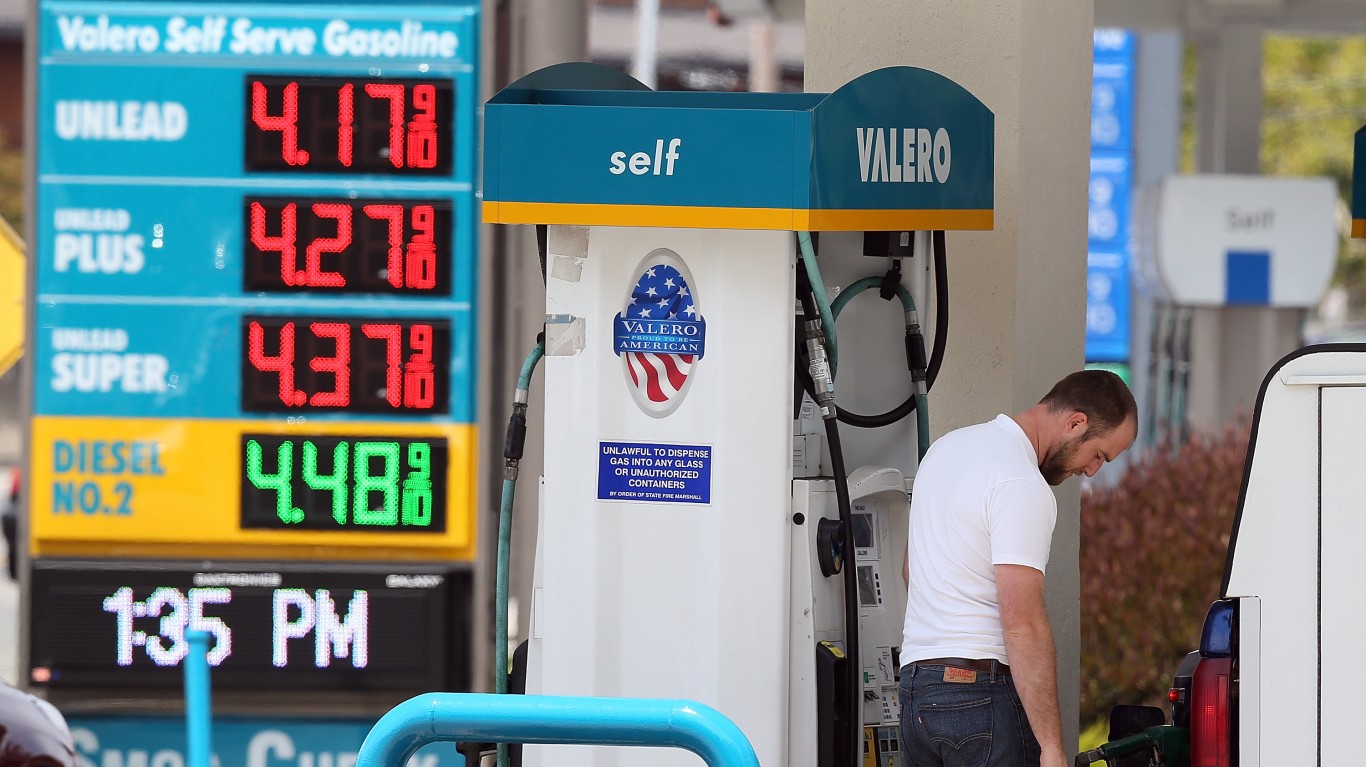
Fuel prices are a political liability heading into the November midterms. Regular gasoline averaged $4.46 per gallon in the week of September 28, and Wood Mackenzie put retail diesel at $6.51 per gallon on September 21. Europe’s emergency diesel stocks sit mainly in Germany and France.
Politico reported the White House was preparing a 90-day diesel export ban, making the threat credible.
How a Diesel Ban Reaches the Gasoline Pump
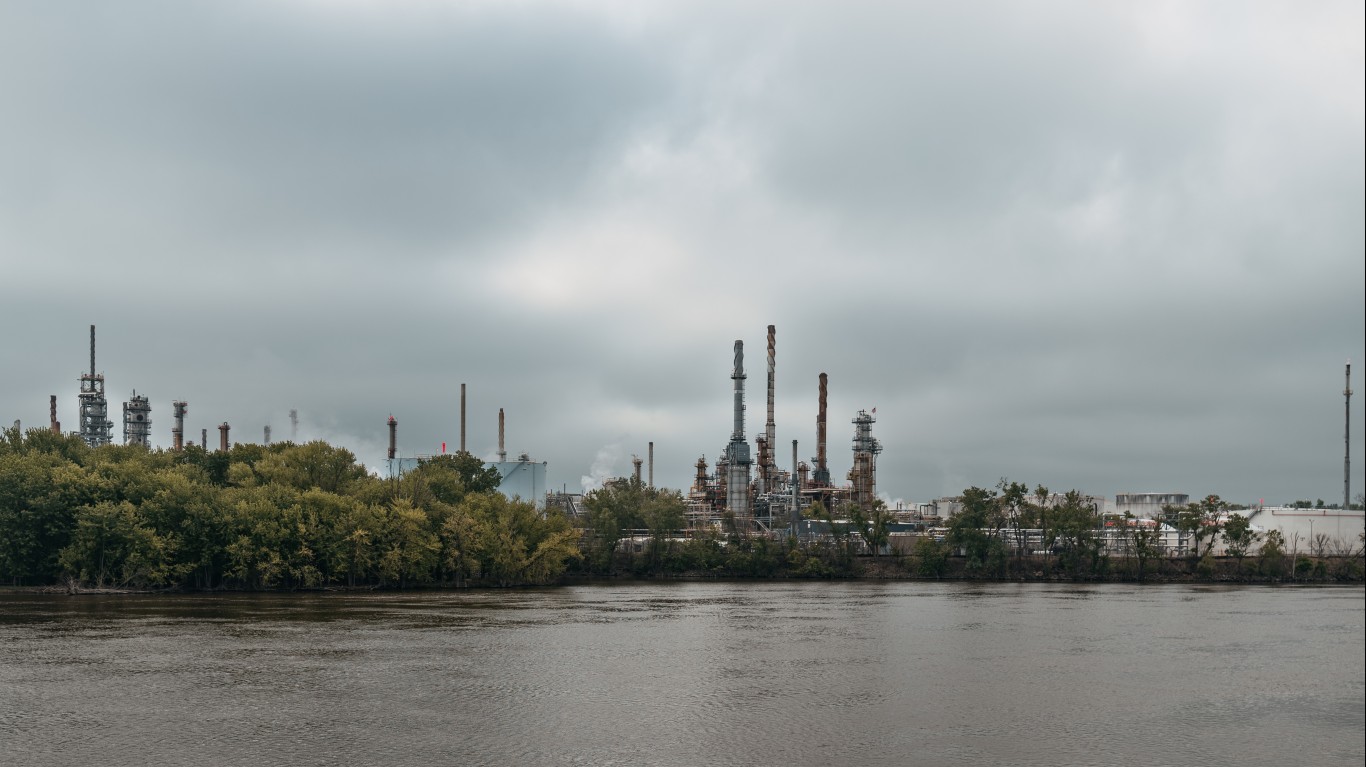
Wood Mackenzie modeled a broad US diesel export ban and found it would redirect 700,000 barrels per day into storage, filling Gulf Coast tanks within roughly a month. Refiners would be forced to cut crude runs by over 2 million barrels per day, according to Wood Mackenzie. Less crude processed means less gasoline, the fuel most American drivers buy.
Wood Mackenzie senior vice president Alan Gelder: “The irony of a US diesel export ban is that it would likely increase costs for American consumers… a policy designed to bring relief at the diesel pump could end up driving prices higher at the gasoline pump.” Europe’s diesel costs would rise 27%, with China and Russia ready to fill the gap.
An Official Who Called This Tool Broken
In late September, Chris Wright said: “The blunt tool of banning diesel exports definitely doesn’t work.” He preferred voluntary limits instead.
Threatening a narrow ban against two countries differs from imposing a blanket export ban, so his position holds together. Still, the official using this tool said it does not work.
Wall Street and the Industry Line Up Against a Ban
No analyst has modeled a ban targeting only France and Germany, but the mechanism mirrors a comprehensive ban. Goldman Sachs (NYSE:GS | GS Price Prediction) sees strain across the global refining system through 2027. Barclays (NYSE:BCS) called a ban detrimental to the US refining complex with no real price relief. The American Petroleum Institute warned of reduced refinery runs, global economic damage and higher US prices. Bloomberg analysts estimate a ban could strand up to 1.5 million barrels per day of US diesel output, about 29% of the total.
What to Watch Before November
Diesel sets freight costs, which price groceries and everything on shelves. Watch whether Europe releases reserves, whether the ban is invoked or stays leverage, and whether Wright’s voluntary approach wins. Keeping the ban as leverage looks likelier, since invoking it would raise the very gasoline prices the administration is trying to lower before voters head to the polls.
Contact [email protected] for any questions or corrections.
AJ spent 10 years writing about financial markets at The Motley Fool. His coverage centers on technology stocks and the broader macroeconomic trends, from interest rates to geopolitics, that shape where markets are headed next. AJ is drawn to the stories where big-picture economics and individual companies collide.