The Fed May Now Skip October Rate Hike — but December Is Still Very Much in Play
A weak jobs report pulled October off the table, but two inflation readings and an oil price stand between borrowers and another rate hike before the year ends.

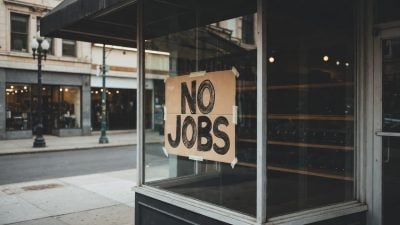
On Friday the Labor Department reported that employers added just 29,000 jobs in September. Economists had expected 90,000, and August was revised lower. Wage growth slowed to 3.0%. Within hours, traders had cut the odds of an October rate hike to about one in four, Reuters reported. Households hoping for relief should hold off. The Fed has pushed its next hike back by about six weeks. The hike remains on the table.
Why One Jobs Report Took October Off the Table
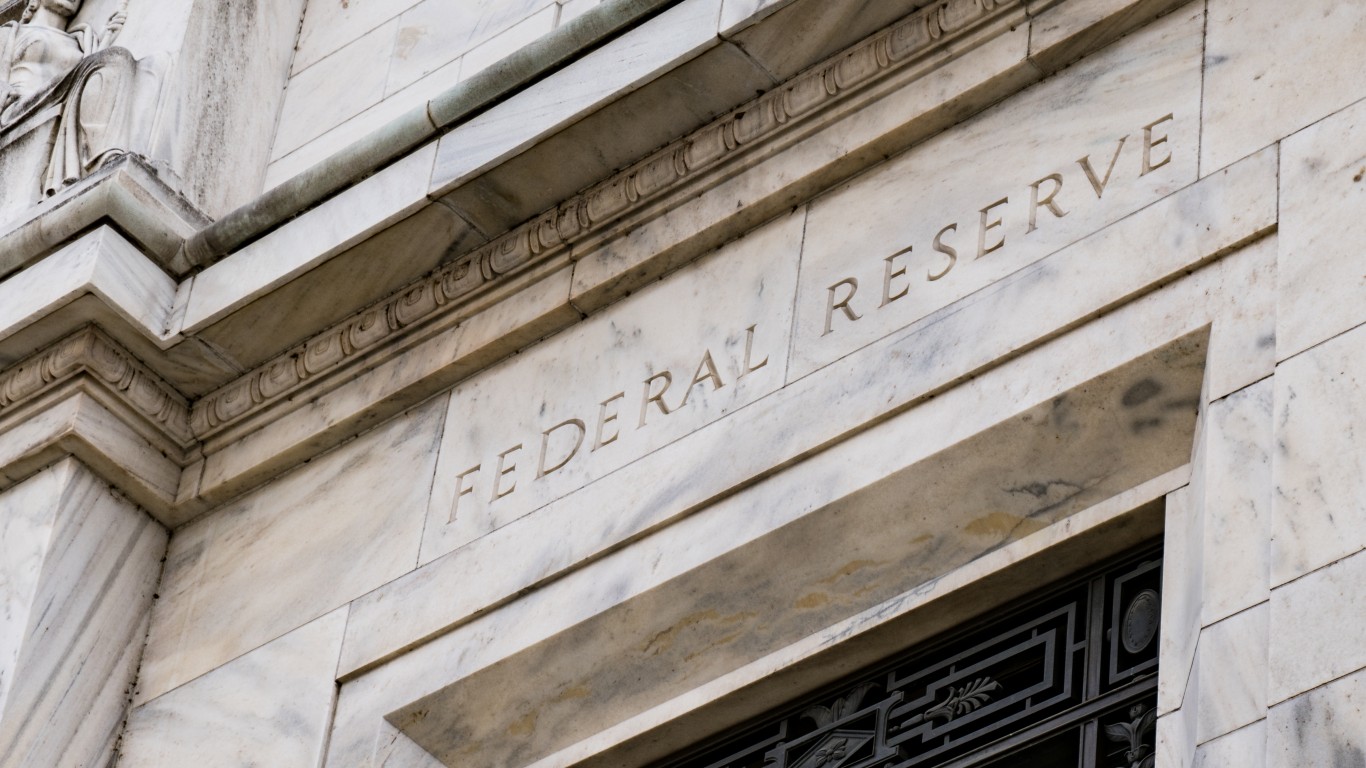
The Fed raised its benchmark rate in September, lifting the upper bound from 3.75% to 4.00%. That move reversed the earlier cuts that had brought the rate down from 4.25% a year ago. Officials had already been suggesting that they were in no rush to go again. Vice Chair Philip Jefferson and New York Fed President John Williams both said they wanted more data, according to Reuters. Michael Feroli of JPMorgan Chase (NYSE:JPM | JPM Price Prediction) summed up the new consensus: “It would now take a very strong CPI to make the October meeting live.” Goldman Sachs (NYSE:GS) had moved its own hike forecast to December a day earlier.
Layoffs Stay Low, and That Keeps December Alive
Look closely and the jobs report shows a hiring freeze, with very few firings. The unemployment rate rose to 4.2% from 4.1%, and Reuters attributed the increase to new workforce entrants. Layoffs played little role. Initial jobless claims fell to 197,000 in the week ending September 26, a level consistent with a strong job market. Workers are holding on to their jobs, so the Fed doesn’t face the kind of labor emergency that would make it put tightening aside.
Inflation hasn’t cooled either. The manufacturing prices-paid gauge jumped to 77.9 in September. The core Personal Consumption Expenditures (PCE) price index, which the Fed watches most closely, has risen every month for the past year, including a 0.2% gain in August. Chicago Fed President Austan Goolsbee said inflation is “where the problem is.”
What Higher Rates Mean for Your Mortgage and Gas Tank
Families already face higher costs. West Texas Intermediate crude was at $96.16 a barrel on September 29, up 13.7% in a month. The 10-year Treasury yield, which mortgage rates follow, closed Friday at 5.28%. The 30-year yield reached 5.63%. Skipping October does nothing to lower those long-term rates. Consumers can feel the squeeze: the University of Michigan sentiment index slid to 51.7 in August from 55.2.
Data That Decides December
Policy no longer has a clear direction. Weak hiring argues for patience, while energy and factory costs argue for another hike. That increases the weight of every inflation report. Bill Adams of Fifth Third Bancorp (NASDAQ:FITB) said the price data due before the October 27-28 meeting has “more power to sway the next rate decision than this jobs report.” The first test is the September Consumer Price Index.
If core prices rise sharply, October comes back into play. If they don’t, keep an eye on oil. A sustained move back above $100 would all but lock in a December hike.
Contact [email protected] for any questions or corrections.
After two decades of patrolling the dark corners of suburbia as a police officer, Rich Duprey hung up his badge and gun to begin writing full time about stocks and investing. For the past 20 years, he’s been cruising the markets looking for companies to lock up as long-term holdings in a portfolio while writing extensively on the broad sectors of consumer goods, technology, and industrials. Because his experience isn’t from the typical financial analyst track, Rich is able to break down complex topics into understandable and useful action points for the average investor. His writings have appeared on The Motley Fool, InvestorPlace, Yahoo! Finance, Money Morning, and, of course, 24/7 Wall St. He has been featured in both U.S. and international publications, including MarketWatch, Financial Times, Forbes, Fast Company, and USA Today.