12 Popular Retirement Towns That May Be Overrated
A week's vacation in a gorgeous retirement town and 20 years of monthly bills there are two very different things, and some of the most popular destinations in America blur that line in ways that deserve a hard look before…

Some retirement towns earn their reputation. Others look a whole lot better during a week’s vacation than they do on a 20-year retirement budget.
Beaches, golf courses, warm winters, mountain views, and postcard-worthy downtowns can hide some pretty significant trade-offs. In some places, housing costs have blown past what retirees might expect. Elsewhere, extreme heat, flooding, wildfire exposure, rapid growth, tourism, or recurring community fees complicate the picture.
We looked at current housing and demographic data along with official local information on taxes, weather, natural hazards, and other costs to identify 12 well-known retirement destinations where the reality deserves as much attention as the sales pitch.
None of these are bad places to retire. For the right person, several could be fantastic. But a great vacation town and a great retirement town are not always the same thing.
Naples, Florida
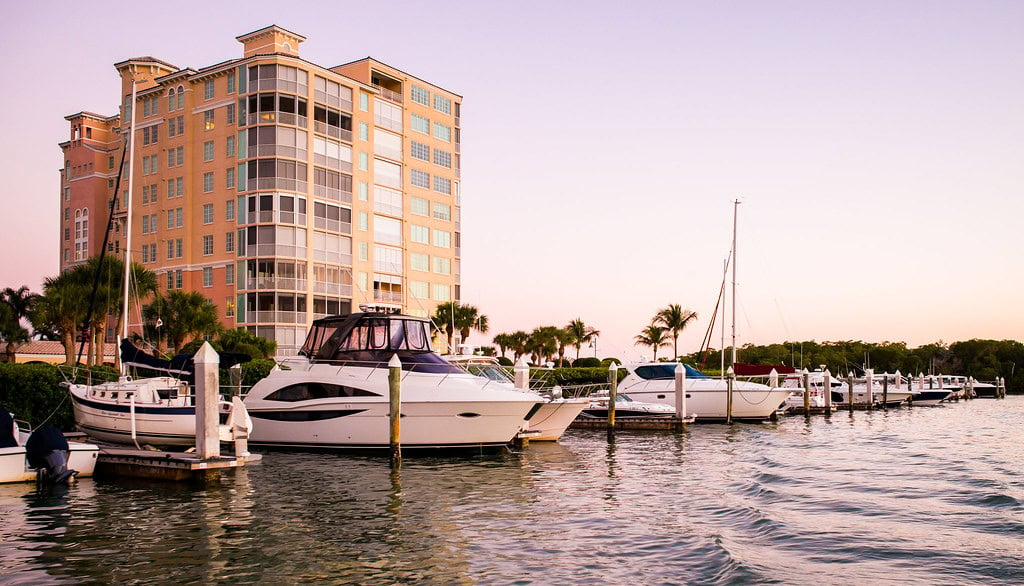
Naples checks almost every box people picture when they imagine retiring to Florida: Gulf beaches, golf, warm winters, upscale restaurants, and no state personal income tax. It also has a retirement-age population to match the reputation. Census data for 2020-2024 shows 55.8% of city residents are 65 or older.The problem is the price of admission. The same Census data puts the median value of owner-occupied homes at $1,525,600, with median gross rent at $2,305. Then there is the weather risk. The City of Naples says its low elevation, Gulf frontage, bays and canal system make it particularly susceptible to flooding from major rain events and storm surge. Naples can be a terrific retirement destination if money is not a major constraint. For retirees trying to stretch a fixed income, the postcard version can look a lot better than the monthly budget.
Sarasota, Florida
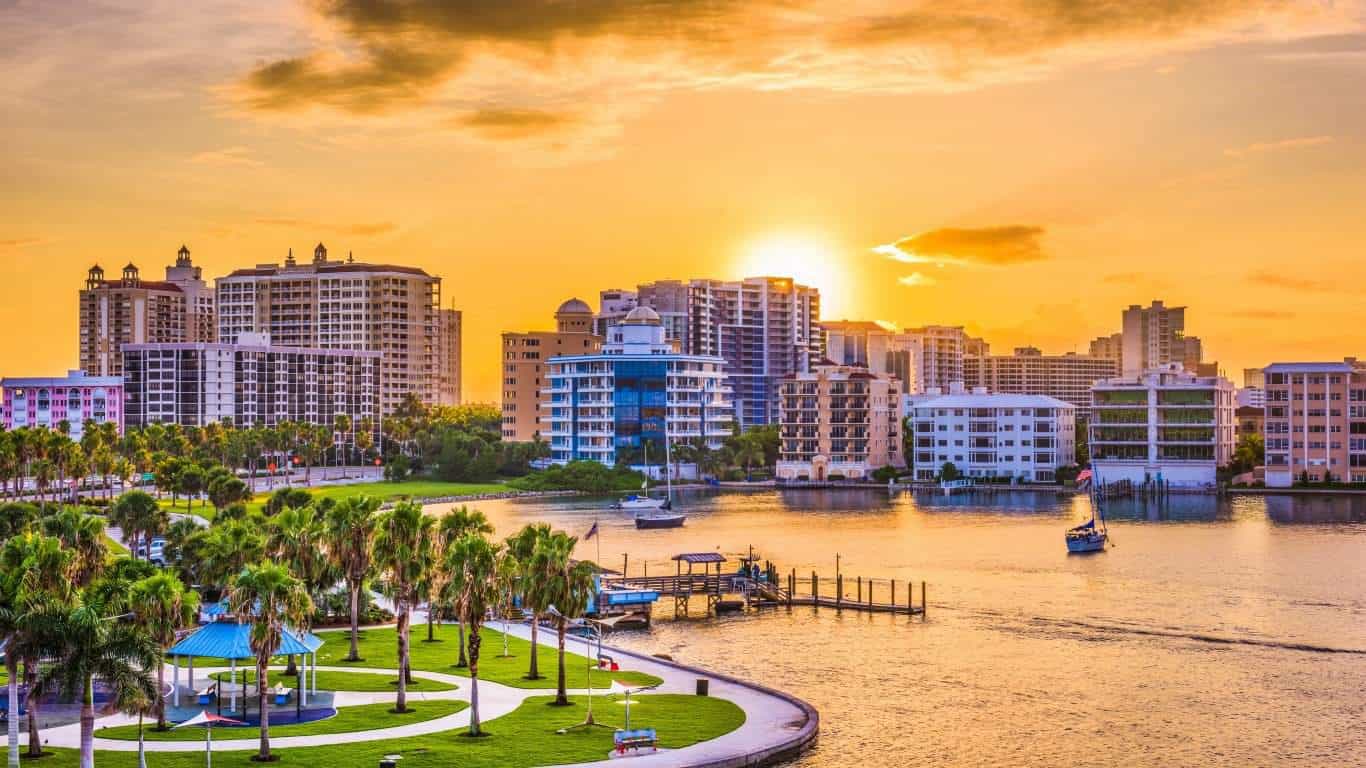
Sarasota has plenty going for it. There are beaches nearby, a strong arts scene, warm winters, and Florida does not levy a personal income tax. It is also already a retirement-heavy city: 29.2% of residents are 65 or older, according to Census estimates for 2020-2024.What gets overlooked is how much the value proposition has changed. The Census puts the median owner-occupied home value at $463,000 and median gross rent at $1,684, both well above what many retirees expect when they hear “Florida retirement.” The city is also planning around very real coastal risk. Sarasota’s current FEMA flood maps took effect in 2024, and local officials specifically identify coastal areas exposed to wave action during storms. Add a 6.6% population increase from 2020 to 2025, and this is no longer the sleepy bargain some retirees may still have in mind.
The Villages, Florida
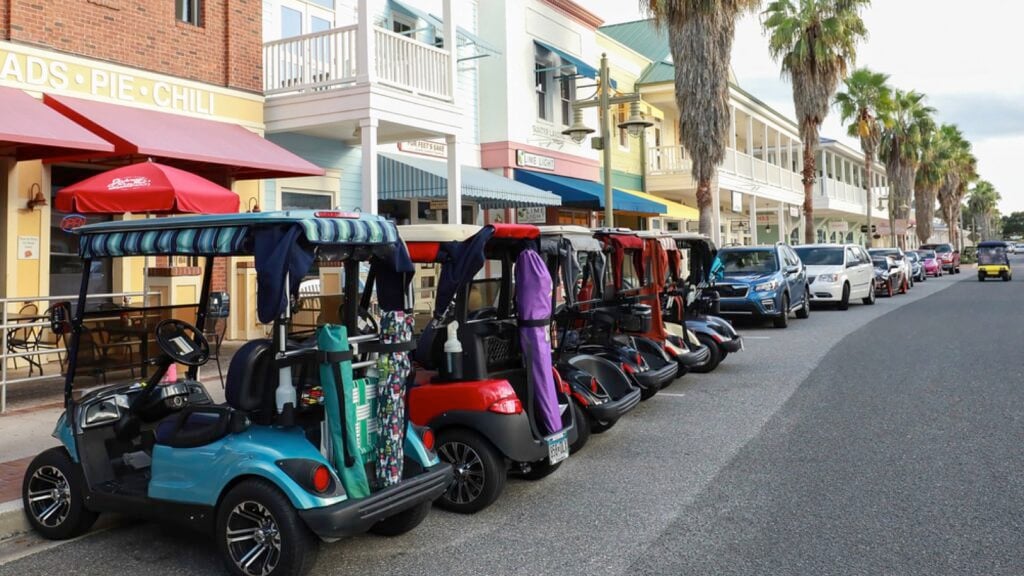
If your retirement dream is golf, clubs, pools, pickleball, and neighbors at roughly the same stage of life, The Villages is almost purpose-built for you. Census data shows an extraordinary 85.2% of residents in the Census-designated community are 65 or older, and 93.3% of occupied homes are owner-occupied.That same specialization can be the drawback. The Villages is not a conventional mixed-age town, and the lifestyle comes with costs beyond simply buying the house. The community currently advertises a $204 monthly amenity fee, while district documents also describe annual maintenance assessments and, for some properties, bond assessments tied to infrastructure. The Census puts the median owner-occupied home value at $400,100. None of that makes The Villages a bad place to retire. It does mean buyers should understand they are purchasing an entire planned lifestyle, recurring fees included, rather than just a home in sunny Florida.
Scottsdale, Arizona
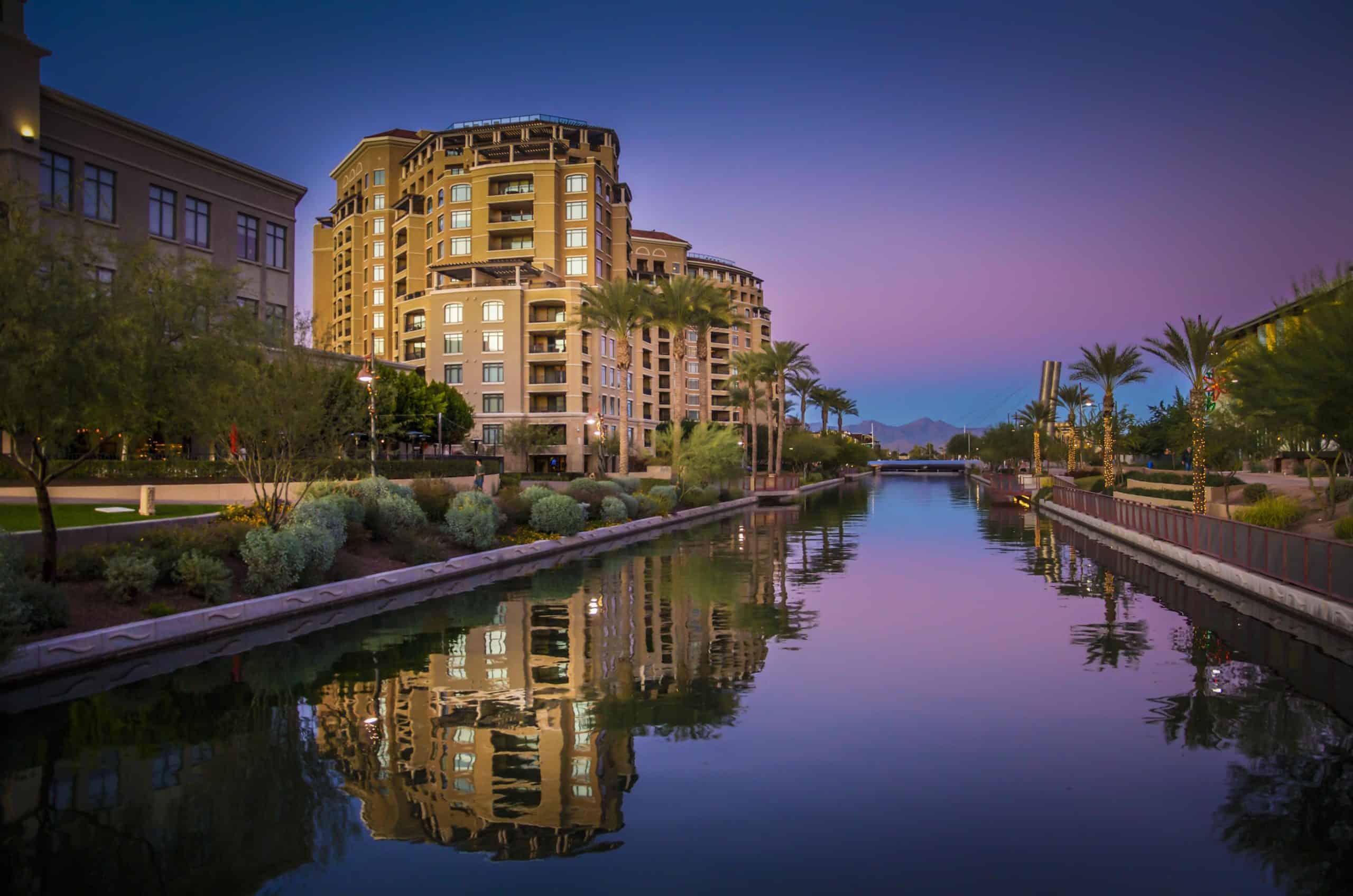
Scottsdale has the golf courses, desert scenery, restaurants, resorts, and healthcare access that make the Phoenix area appealing to retirees. About 26.4% of Scottsdale residents are 65 or older, according to Census estimates for 2020-2024.Affordable desert retirement, however, is not really the Scottsdale story anymore. The Census puts the median value of owner-occupied homes at $789,800 and median gross rent at $2,013. Summer is the other reality check. National Weather Service warnings in 2026 repeatedly included Scottsdale in stretches of dangerous heat, with forecast afternoon temperatures reaching roughly 105 to 115 degrees during some events. Dry heat is still heat, especially for older adults who want to stay active outdoors. Scottsdale can deliver a polished retirement lifestyle, but buyers are paying a premium for it and giving up a good chunk of the summer calendar in return.
Sedona, Arizona

Sedona is one of those places that can sell itself in a single photograph. Red-rock scenery, hiking, galleries, and a smaller-city feel make it an understandable retirement fantasy. Census data shows 35.5% of residents are 65 or older.The fantasy gets more complicated once you price the housing and factor in how heavily the area is used as a destination. The Census puts the median owner-occupied home value at $786,800. Sedona tourism officials have long reported roughly 3 million visitors in a typical year, which is a lot of outside traffic for a city of fewer than 10,000 residents. Wildfire is another practical concern. The city imposed Stage 2 fire restrictions in June 2026, and the Pocket Fire temporarily closed roads and recreation areas north of town that summer. Sedona is spectacular, but living full-time in a famous vacation landscape is not the same thing as visiting it for a long weekend.
Prescott, Arizona

Prescott gets pitched as a gentler Arizona alternative: lots of sunshine, mountain scenery, outdoor recreation, and cooler temperatures than the Phoenix Valley. It has clearly found a retirement audience. Census estimates show 40.6% of residents are 65 or older.The catch is that “less expensive than Scottsdale” does not mean inexpensive. The Census puts the median owner-occupied home value at $564,100, far above the U.S. median of $332,700 for the same 2020-2024 period. Prescott is also a mile-high community surrounded by national forest, so this is not a warm-desert retirement with twelve months of pool weather. Wildfire preparedness is a recurring local issue as well; city officials and the U.S. Forest Service again urged residents to prepare as the 2026 fire season began. Prescott still has real appeal, but retirees chasing cheap Arizona living may be arriving with an outdated picture.
Palm Springs, California

Palm Springs has architecture, restaurants, golf, mountain views, and a long history as a warm-weather escape. More than a third of residents, 35.3%, are 65 or older. For retirees who want a social desert city rather than a quiet subdivision, the appeal is obvious.Then summer arrives. National Weather Service data for July 2026 shows Palm Springs had an average daily high of 109.5 degrees, with a monthly high of 117. The city operates cooling centers when temperatures reach 100 degrees and even held its first Extreme Heat Summit in 2026. Housing is not cheap either: the Census median value of owner-occupied homes was $604,000 for 2020-2024. Palm Springs can be wonderful for people who can afford it and who are comfortable structuring their lives around extreme summer heat. That is a much narrower pitch than “sunny California retirement.”
Santa Fe, New Mexico
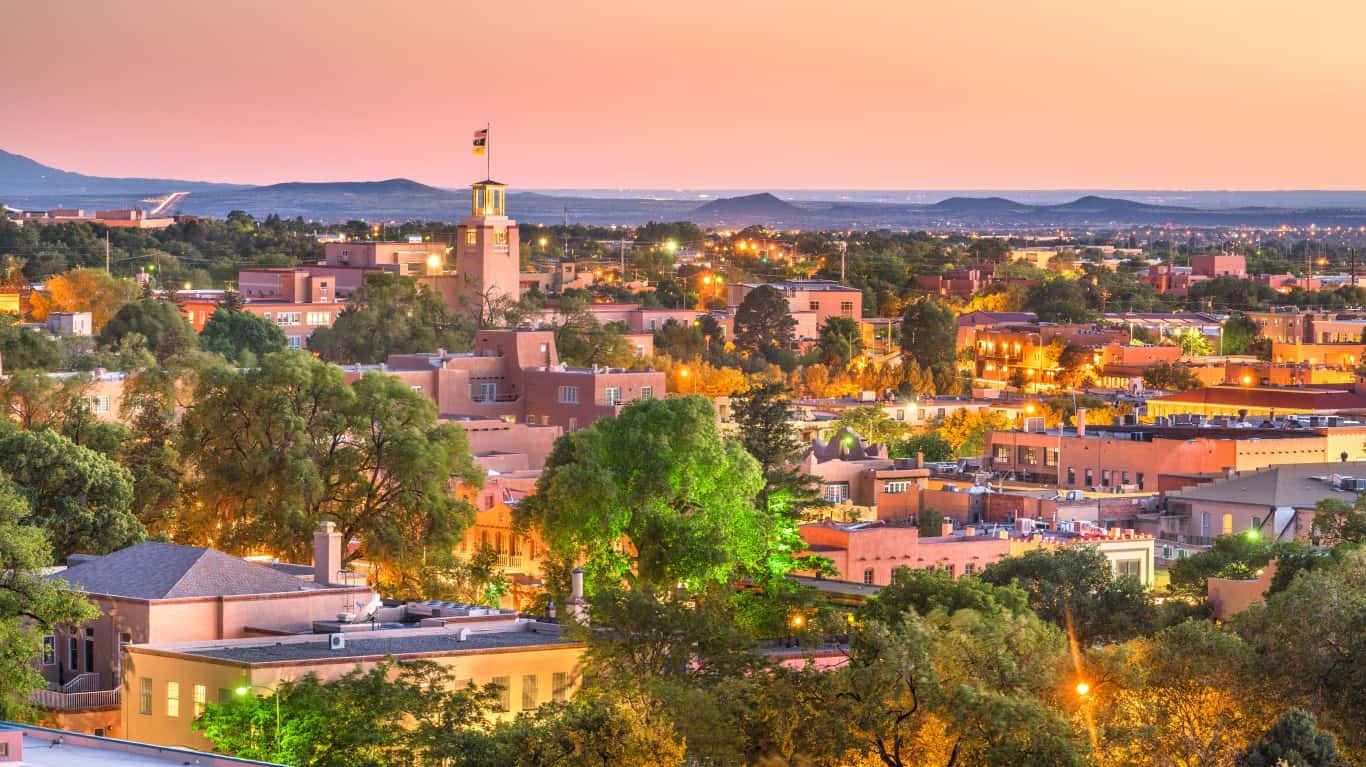
Santa Fe offers something different from the standard retirement brochure. It has historic architecture, museums, restaurants, mountain scenery, and a strong arts culture. About 26.2% of residents are 65 or older, so retirees are already a significant part of the community.The issue is affordability. Census estimates put the median owner-occupied home value at $444,900. The city itself says home prices rose 80% from 2016 to 2026 while rents climbed 74% and median incomes increased only 36%, one reason Santa Fe has made affordable housing a major policy focus. New Mexico does offer retirement-related tax breaks, including a Social Security exemption for many taxpayers, but a tax break does not erase a high housing bill. Santa Fe remains distinctive and beautiful. It is simply much harder to call it an underrated retirement bargain anymore.
Asheville, North Carolina
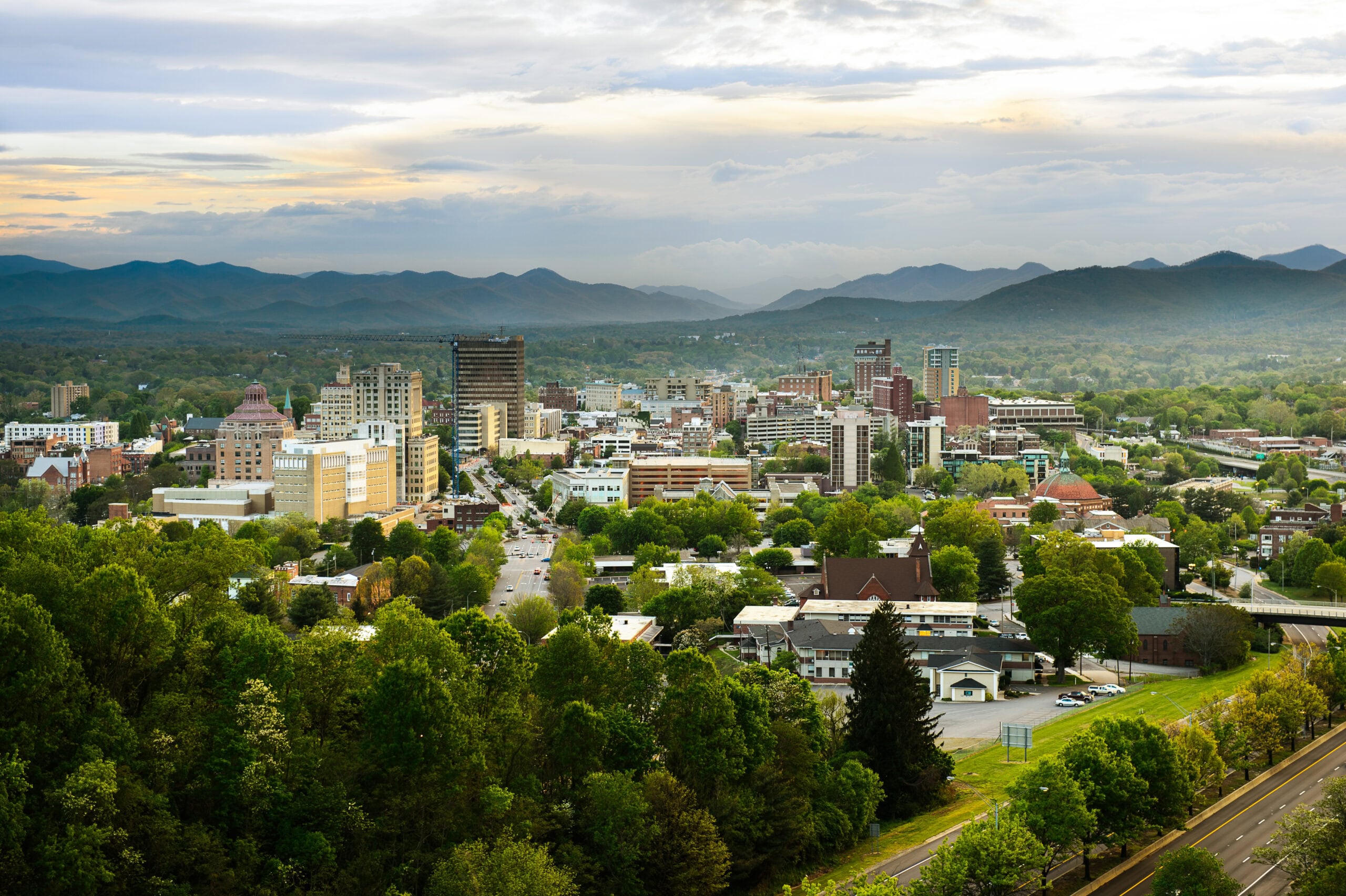
Asheville’s appeal is easy to understand: Blue Ridge Mountain scenery, breweries, restaurants, arts, and four actual seasons. It has become a fixture on retirement and relocation lists, and about 20.1% of residents are 65 or older.It is also no longer a low-cost mountain hideaway. Census data for 2020-2024 puts the median owner-occupied home value at $440,000. More importantly, Tropical Storm Helene exposed the region’s vulnerability to severe flooding and landslides in 2024. As of September 2026, Asheville was still managing recovery projects at nearly 200 sites, including damaged bridges, culverts, roads, stormwater infrastructure, and dozens of landslide locations. Asheville is still a great city. But retirees moving there for a simple, inexpensive mountain lifestyle should price in the housing market and take the region’s weather risks more seriously than older retirement guides often did.
Hilton Head Island, South Carolina
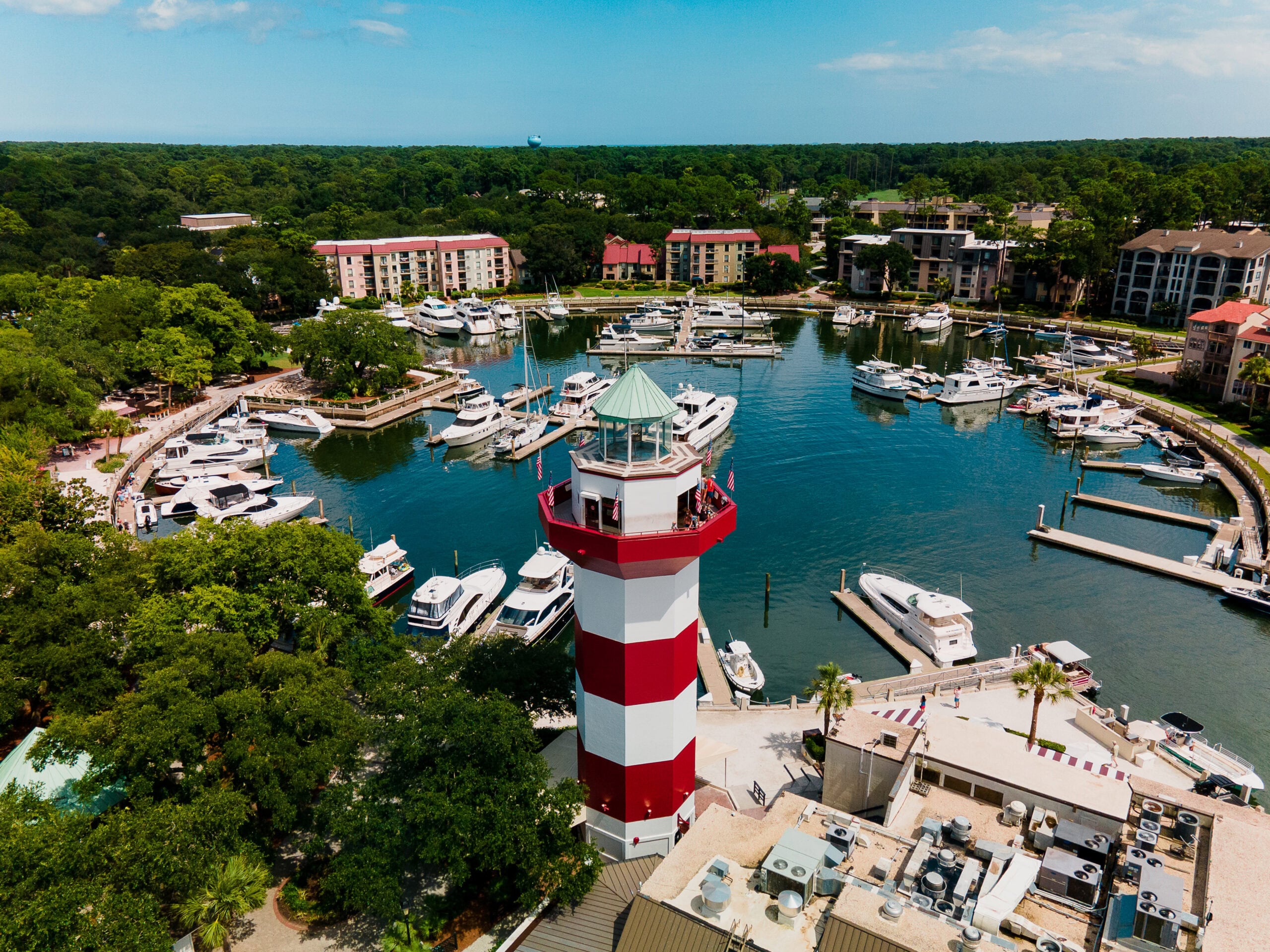
Hilton Head Island has beaches, golf, bike paths, warm weather, and enough retirees to prove the formula works. Census estimates show 39.2% of residents are 65 or older.The tradeoff is that island retirement comes at island prices. The Census puts the median value of owner-occupied homes at $687,400, more than double the national figure for 2020-2024. Flood exposure also deserves attention before anyone falls in love with a view. Hilton Head’s planning documents identify high-risk A flood zones and coastal V zones, where storm waves add another hazard. South Carolina does provide retirement-income deductions, which helps, but tax friendliness cannot make a high-priced coastal home cheap or remove hurricane risk. Hilton Head can be an excellent retirement choice. It is just a premium one, and the premium extends well beyond the golf membership.
Charleston, South Carolina
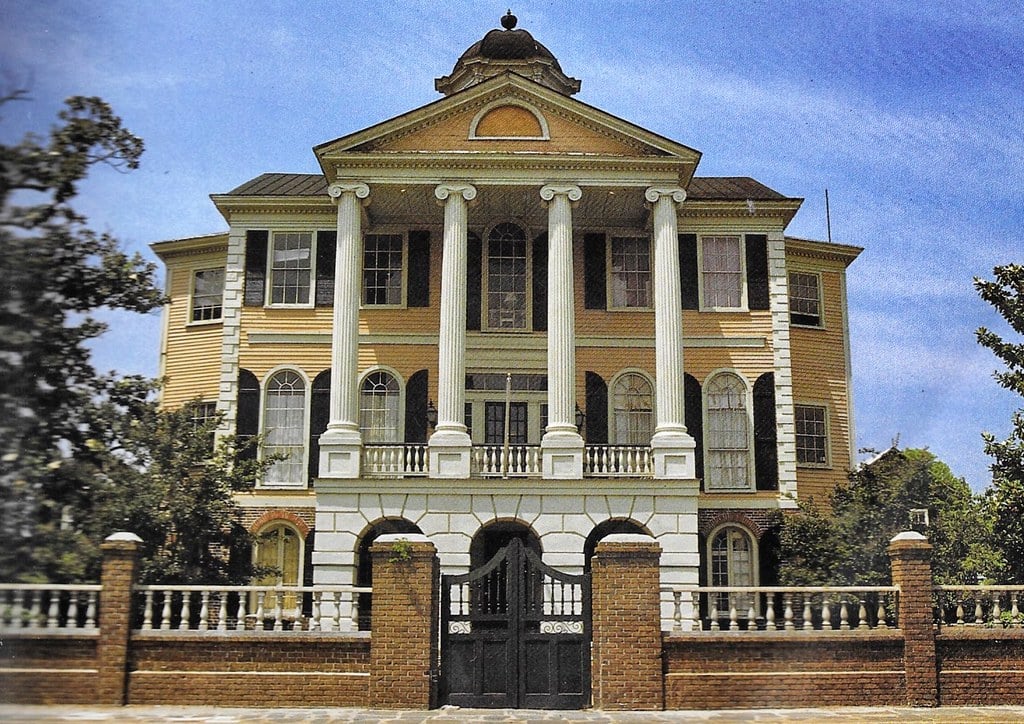
Charleston has history, architecture, restaurants, beaches nearby, and mild winters. That combination puts it on plenty of retirement wish lists. Interestingly, though, the city itself is not especially retirement-heavy. Census data shows 16.4% of Charleston residents are 65 or older, below the 18.9% U.S. share.It is also expensive and increasingly focused on water management. The Census puts the median owner-occupied home value at $509,700. Charleston says flooding is occurring more frequently than ever, and NOAA tide-gauge data cited by the city shows about 13 inches of sea-level rise over the past century, with roughly half of that increase occurring in the last 20 years. None of this cancels out Charleston’s charm. It does mean retirees should separate “wonderful place to visit” from “easy place to own a home for the next 20 years.”
Myrtle Beach, South Carolina
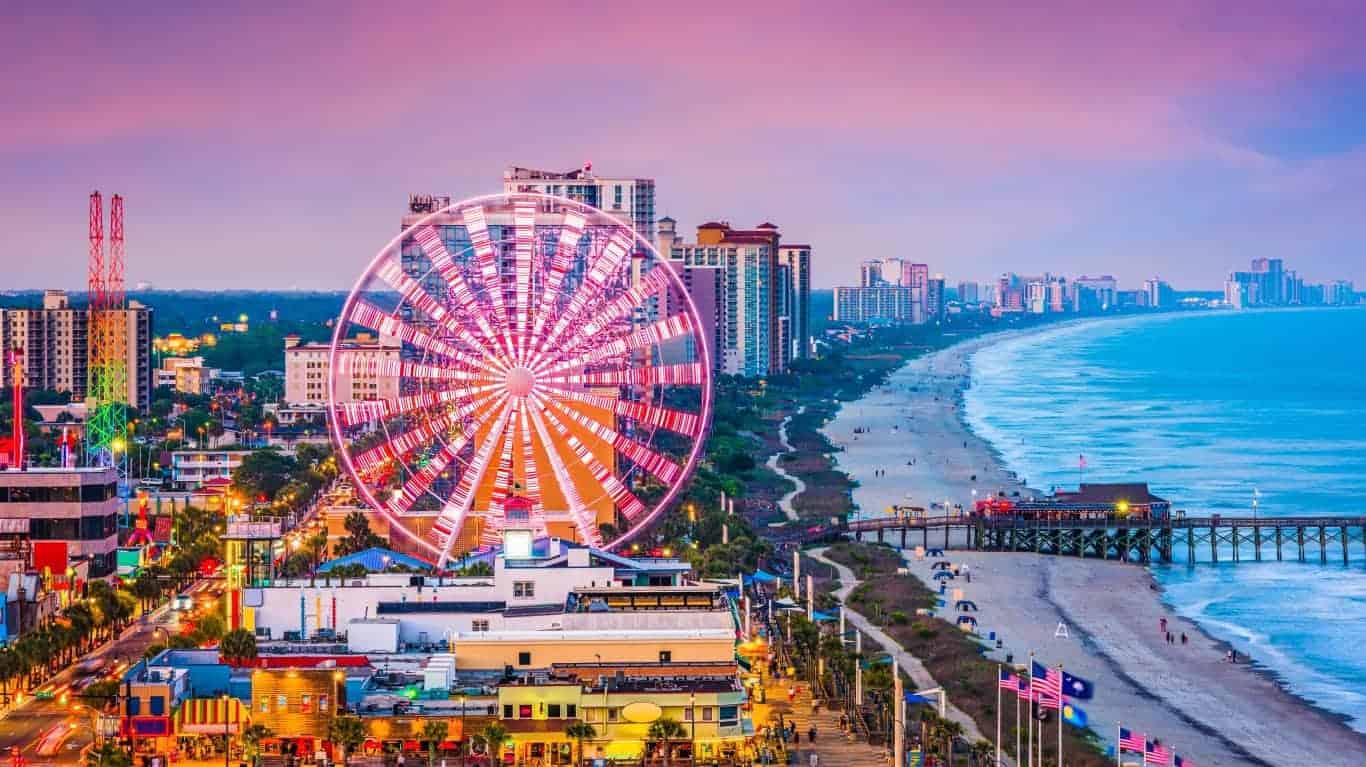
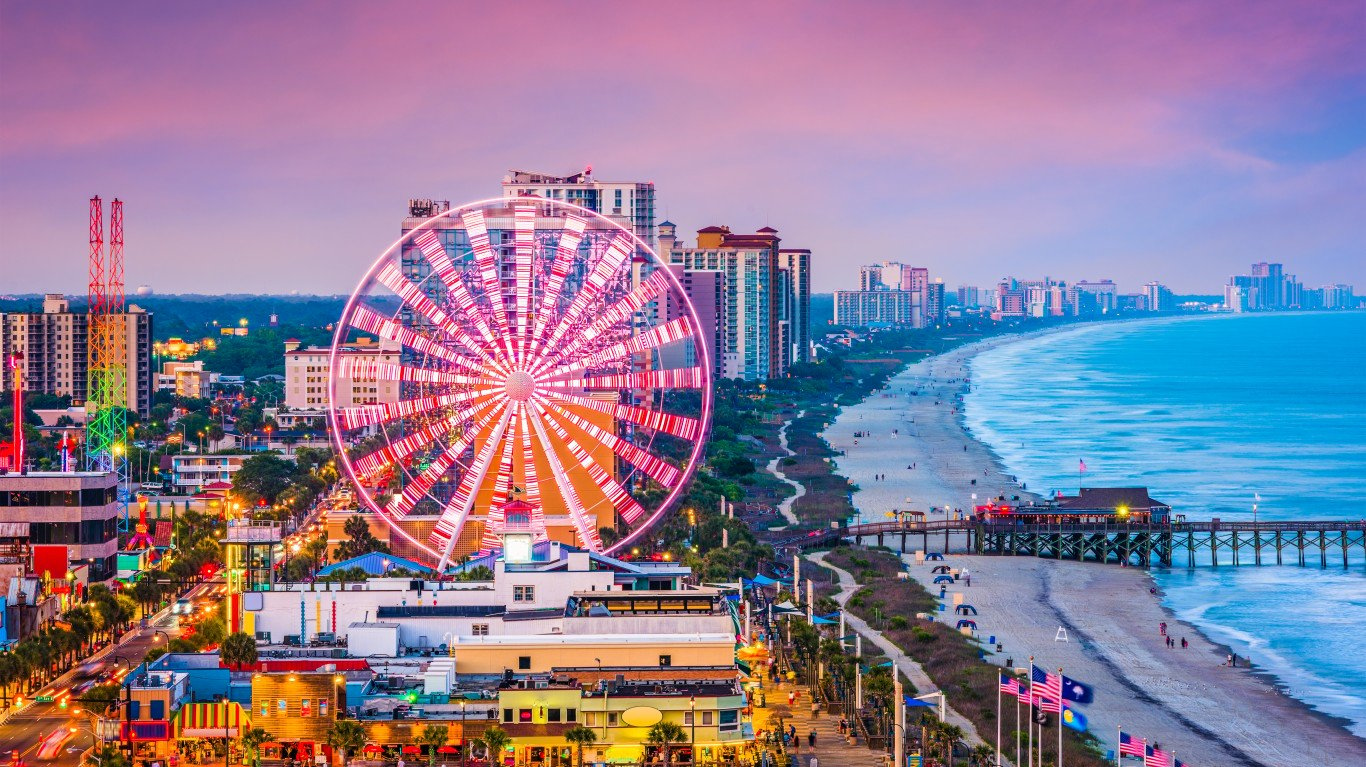
Myrtle Beach remains one of the more attainable coastal names on this list. Golf, beaches, entertainment, and a relatively mild winter keep drawing retirees, and 23.7% of city residents are 65 or older. The Census puts the median owner-occupied home value at $388,800, which is far below Naples, Scottsdale, or Hilton Head.The question is whether retirees actually want to live year-round in one of the country’s best-known vacation corridors. Myrtle Beach’s population grew 14.7% from 2020 to 2025, a rapid pace for a city of its size. Coastal storm planning is part of normal life too; Horry County maintains hurricane evacuation zones that include areas in and around Myrtle Beach. The city can still make financial sense compared with pricier beach towns, but the combination of tourism, fast growth, traffic pressure, and hurricane exposure means the “permanent vacation” pitch deserves a closer look.
Contact [email protected] for any questions or corrections.