Skydance Sinks 8% a Day After Completing Warner Bros. Discovery Acquisition; Netflix Holds Flat, Walt Disney Slips
Skydance just closed the deal everyone was watching, and the market responded by punishing the buyer. Whether that selloff reflects a debt problem or a passing reaction depends on what happens next with the integration.

This post may contain links from our sponsors and affiliates, and Flywheel Publishing may receive compensation for actions taken through them.

The Warner Bros. Discovery deal that traders spent months positioning around is finally done, and Skydance (NYSE:SKYD) stock is now absorbing the arrival of the event itself. Skydance shares are sinking 8% to $8.73 this morning after the company closed its acquisition of Warner Bros. Discovery. This may surprise some traders, but it could also be viewed as a familiar “sell-the-news” reaction when a long-anticipated catalyst arrives.
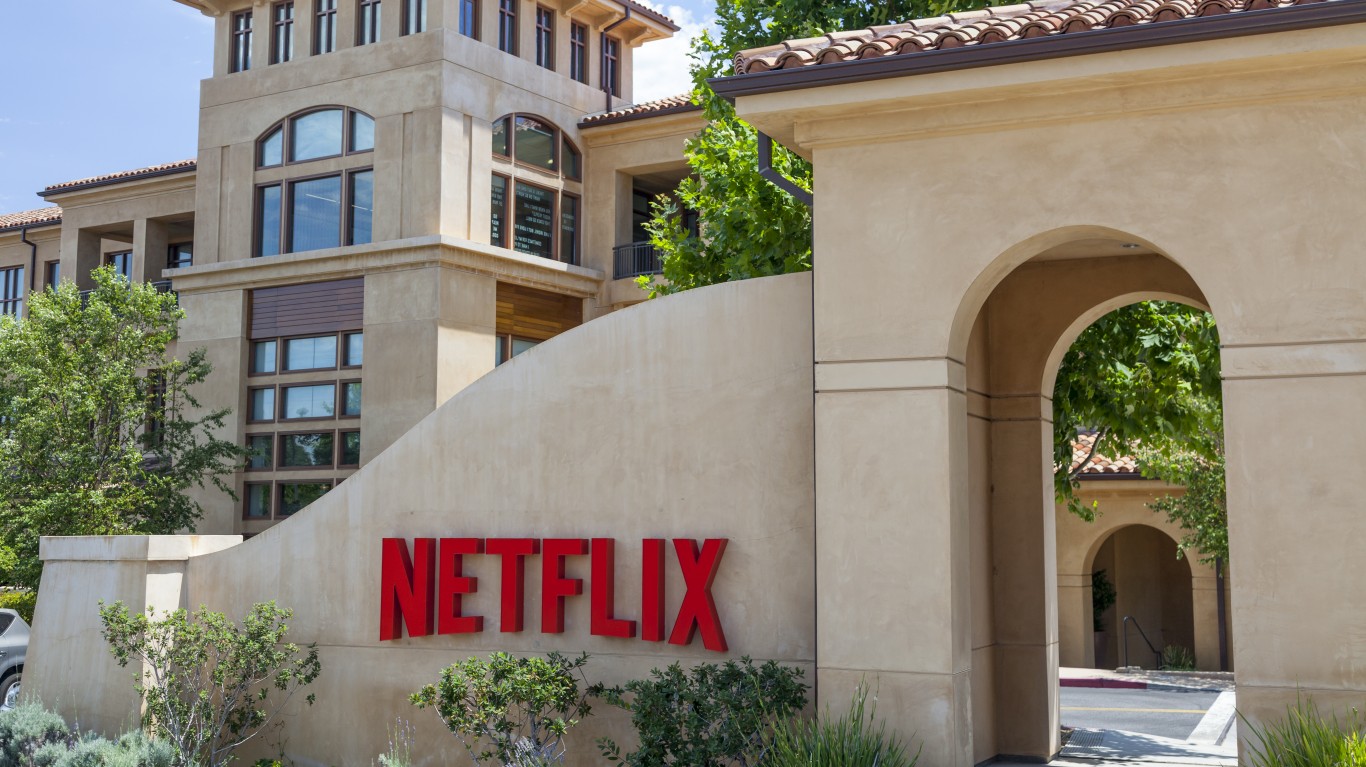
Rival entertainment companies are barely reacting, which points to a repricing specific to Skydance. Meanwhile, Netflix (NASDAQ:NFLX | NFLX Price Prediction) stock is nearly unchanged as it’s down 0.3% to $68.51, as the global streaming specialist faces a larger rival for viewers and content. Walt Disney (NYSE:DIS) shares are slipping 0.5% to $103.50, a modest dip for a company that competes head-on with the combined studio in theaters, streaming and television.
At the same time, the Communication Services Select Sector SPDR ETF (NYSEARCA:XLC) is down 0.9% to $110.59, trailing the SPDR S&P 500 ETF Trust (NYSEARCA:SPY), which is slipping 0.6% to $774.69. All in all, Skydance stock’s decline stands out as company-specific.
Debt-Funded Close Sets the Tone
The deal closed on October 6, and Warner Bros. Discovery shareholders received $31.02 per share in cash under the terms of the merger agreement, according to Skydance Corporation. Warner Bros. Discovery stock was delisted from the Nasdaq exchange as Skydance Class B shares began trading on the New York Stock Exchange under a new ticker. That debut replaced the former Paramount Skydance listing on the Nasdaq exchange.
Skydance financed that cash payout with borrowed money. At the end of September, ahead of closing, the company priced senior secured notes and term loan facilities to fund the transaction. The market is now considering those borrowings against the combination’s scale.
Three Answers to How Scale Pays for Content
After the close, Skydance runs three segments covering studios, direct-to-consumer streaming and television media. The company brings two film studios and two streaming services under one owner, with a portfolio including Paramount, Warner Bros., HBO and HBO Max, Paramount+, Pluto TV, CBS and CNN.
Netflix sells a single global streaming subscription with no broadcast or cable business attached. Walt Disney pairs its streaming services with parks, studios and networks. Alongside Skydance, the three companies represent three different answers to the same question about how scale pays for content.
Scale Versus Leverage at Skydance
Skydance stock’s bull case rests on scale. The combination creates a library and a streaming base few competitors can match, and the company has set a stated multi-billion-dollar run-rate cost savings target over the next three years. Delivering those savings could give the combined business more room to invest in content while it services its borrowings.
A heavier debt load drives the bear case for Skydance. Borrowing funded the company’s cash payout to Warner Bros. Discovery shareholders, leaving Skydance heavily indebted during a complex integration. Any slip in that integration could pressure Skydance stock, given how little buffer a leveraged balance sheet provides.
What to Watch Next
Skydance’s next test is whether the promised savings arrive on the stated schedule, since that target is what the company’s debt is being serviced against. Integration updates could signal whether the cost program is on track.
Netflix and Walt Disney shares look firmer, with each company’s model less exposed to Skydance stock’s integration risk. Shareholders may want to reduce their SKYD share exposure and also watch for whether the combined portfolio pressures streaming pricing or theatrical slates over the coming quarters.
Contact [email protected] for any questions or corrections.
David Moadel is financial writer specializing in stocks, ETFs, options, precious metals, and Bitcoin. David has written well over 1,000 articles for leading online publications, helping investors understand markets, income strategies, and risk.His work has appeared in The Motley Fool, InvestorPlace, U.S. News & World Report, TipRanks, ValueWalk, Benzinga, Market Realist, TalkMarkets, Finmasters, 24/7 Wall St., and others.With a master’s degree in education, David has taught at the elementary, high school, and college levels. That teaching background shapes his writing style: clear, educational, and practical. David has also built a loyal social-media audience by providing trustworthy financial content on YouTube, X/Twitter, and StockTwits.