An 88,000-Acre Ranch Drew Nearly $128 Million. Social Security Can Treat the Land, Cattle and Equipment as Three Different Kinds of Money
One check clears at closing, but the IRS and Social Security see a ranch sale as several completely separate transactions, and the difference between them can cost a retiring rancher tens of thousands of dollars in withheld benefits.

This post may contain links from our sponsors and affiliates, and Flywheel Publishing may receive compensation for actions taken through them.
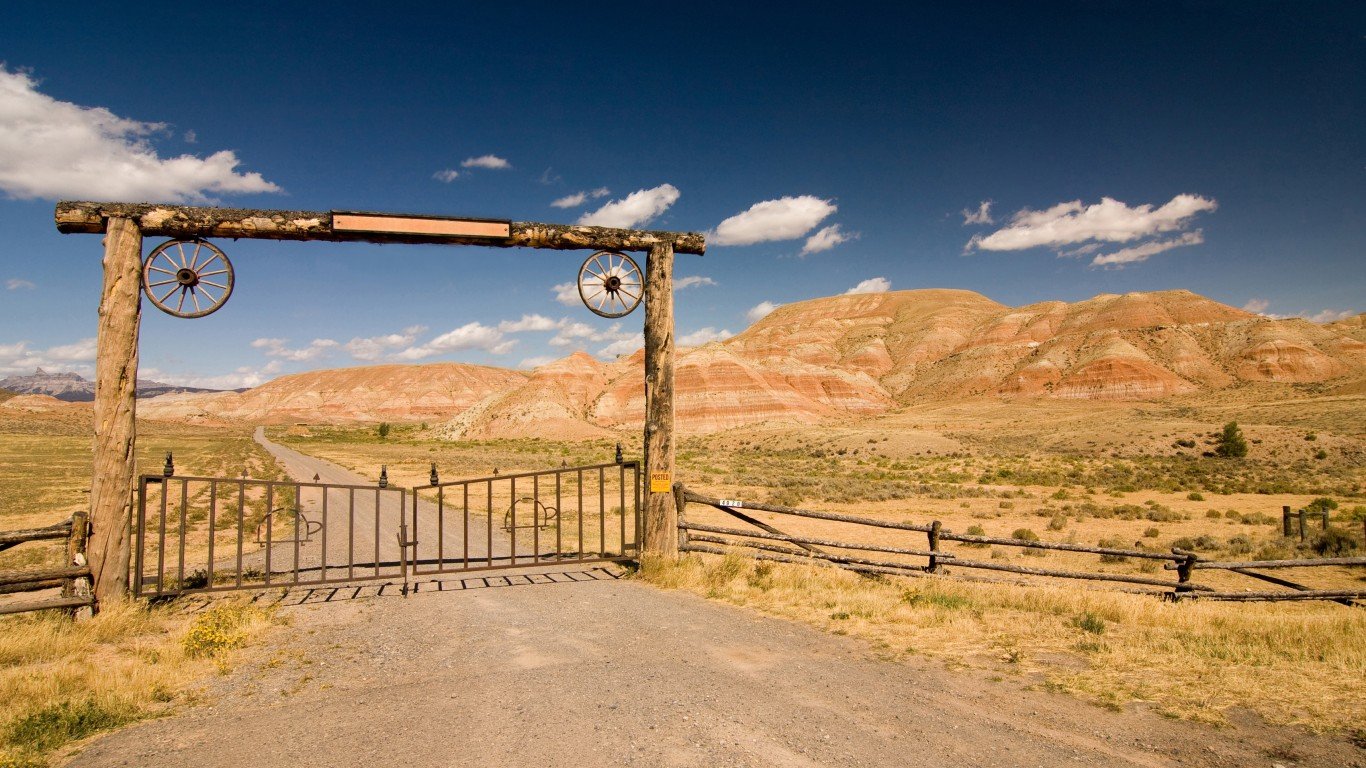
Freeman Family Ranches covered 87,953 acres across the North Texas and Oklahoma panhandles. The three properties, in the family for four generations, sold in late July after being listed at nearly $128 million.
Picture a 64-year-old rancher collecting Social Security selling a smaller operation. The buyer writes one check for land, cattle, and tractors. The IRS views several sales, and Social Security counts only some of them.
One Ranch Closing Becomes Five Separate Sales
When a farm or ranch sells for a lump sum, IRS rules treat it as the sale of each individual asset. The price gets split among five categories:
- Land, usually the largest share, measured against original cost plus improvements.
- Buildings, each with their own basis and depreciation history.
- Machinery and equipment, from tractors to squeeze chutes, determined by past depreciation.
- Breeding livestock kept to produce calves rather than primarily for sale.
- Cattle held primarily for sale, treated as inventory.
That split helps set the income tax bill. It also determines which dollars can become self-employment earnings, the figure Social Security uses to judge whether a working beneficiary earned too much.
Land and Tractors Can Be Taxable Without Counting as Earnings
Say $1 million goes to land with an adjusted basis of $400,000, producing a $600,000 gain. Self-employment earnings from that gain are generally $0, because IRS guidance excludes gains on investment property and fixed business assets.
Equipment follows the same path. A tractor sold above its depreciated value triggers tax on the gain, some as ordinary income through depreciation recapture. That gain still generally stays out of self-employment earnings.
Breeding Cows and Market Steers Part Ways at Closing
This is where the split is sharpest. Breeding cattle are kept to produce calves and are reported apart from regular livestock sales. Gains on livestock held for breeding, dairy, draft or sporting purposes generally are excluded from self-employment earnings.
Market cattle are raised or bought to sell. Their sales run through Schedule F, the farm profit-and-loss form. After expenses, that profit counts as self-employment earnings. Both kinds of cattle leave at the same closing with very different treatment.
How $500,000 From One Check Shrinks to $100,000 of Earnings
| Asset | Gain or Profit | Self-Employment Earnings |
|---|---|---|
| Land | $250,000 | Generally $0 |
| Equipment | $75,000 | Generally $0 |
| Breeding cattle | $75,000 | Generally $0 |
| Market cattle | $100,000 | Can count |
While the numbers are hypothetical, at 64, that gap matters. Below full retirement age (FRA), the earnings test applies. The limit for 2026 is $24,480, and Social Security withholds $1 in benefits for every $2 earned above it.
If the $100,000 from market cattle is net Schedule F profit, Social Security generally counts 92.35% of it, or $92,350, as net earnings from self-employment. That puts him $67,870 over the 2026 limit, so the annual formula calls for about $33,935 of withholding, limited to the benefits otherwise payable that year. Gains from land, equipment and qualifying breeding livestock stay outside that calculation. Withheld benefits are not simply repaid later; at FRA, Social Security recalculates his monthly benefit to credit the months benefits were withheld.
Where the Land Gain Still Bites
The earnings test ignores the land gain, but the tax return doesn’t. A $250,000 gain can raise adjusted gross income for the year, and higher combined income can make up to 85% of his Social Security benefits taxable.
Settle the Purchase Agreement Before Signing
The contract can matter as much as the price. Before closing, he should pin down:
- Allocation. How much goes to land, equipment, breeding cattle and inventory? Get it in writing.
- Basis. What is the adjusted basis in each asset? That sets the gain size.
- Depreciation. How much has been claimed on machinery, buildings and breeding stock? That sets recapture.
- Livestock purpose. Were animals kept for breeding or mainly for resale? Birth records help back up the breeding label.
- Operating income. How much Schedule F profit remains once market livestock and normal operations are separated from the asset sale?
The IRS requires the gain or loss on each farm asset to be figured separately, so this work has to be done anyway. Doing it before signing lets the allocation help shape the deal before the numbers are locked in.
The Freeman deal makes nearly $128 million look like one giant transaction. A retiring rancher’s sale can come apart in very different ways. The land, the tractor, the breeding cow and the market steer can all leave on the same closing day and count as four different kinds of money. Records, timing and benefit amounts differ from one ranch to the next, so it’s worth going over the allocation with a farm-tax specialist before the check clears (semi-retirement carries four tax traps of its own, which we mapped out in a free guide here).
Contact [email protected] for any questions or corrections.
Gerelyn Terzo is the author of dividend investing handbook "Dividend Investing Strategies: How to Have Your Cake & Eat It Too." A veteran financial journalist, she covers agri-finance for outlets like Global AgInvesting and the broader stock market and personal finance for 24/7 Wall Street. She began at CNBC and later helped launch Fox Business in New York. Gerelyn currently resides in Woodland Park, Colorado and dabbles in nature photography as a hobby.