American Airlines Is Now Down 23% This Year: Is AAL Stock Dead Money or Due for a Bounce?
Fuel costs torched American Airlines profits even as revenue hit a record, leaving the stock deep in the red while its rivals trade far higher. Whether AAL is a value trap or a coiled spring depends on one factor the…

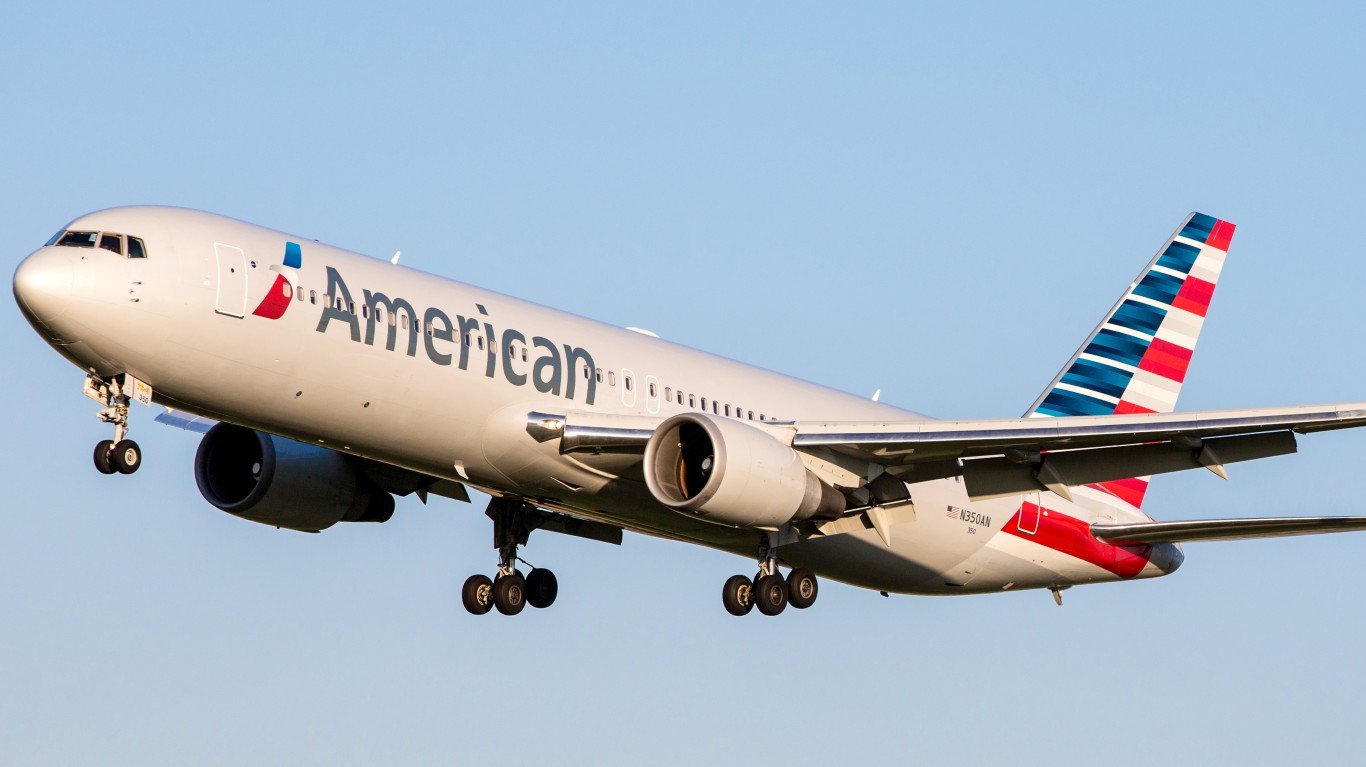
Fuel costs have pushed American Airlines Group (NASDAQ:AAL | AAL Price Prediction) to the back of the legacy airline pack this year. American Airlines shares are down 23% year to date (YTD) to $11.87 in afternoon trading.
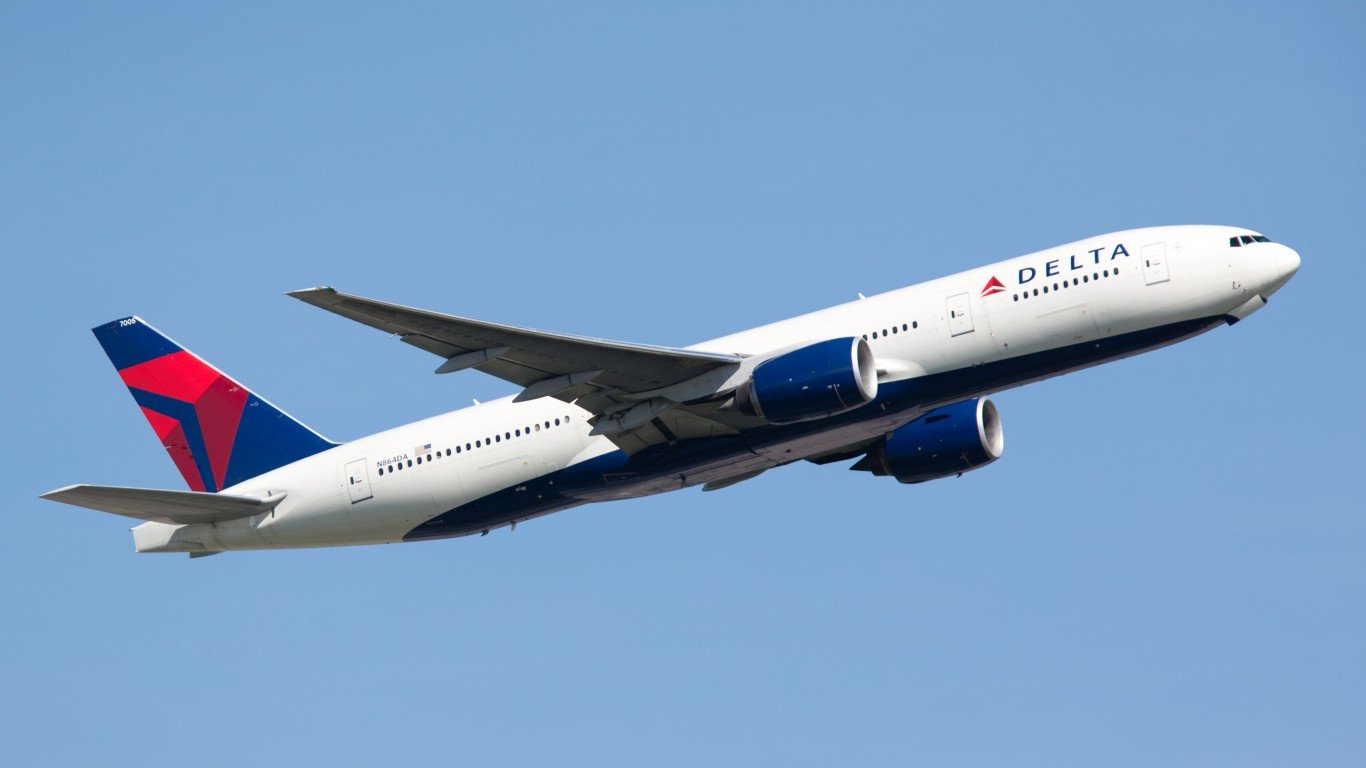
Meanwhile, United Airlines Holdings (NASDAQ:UAL) stock is down 14% YTD to $95.31, a softer decline than American Airlines stock has posted. Delta Air Lines (NYSE:DAL) stock is up 8% YTD to $74.66, leaving it on the opposite side of the ledger from American Airlines shares.
Airline stocks as a group have also held up better than American Airlines stock, with the U.S. Global Jets ETF (NYSEARCA:JETS) down 8% YTD. Across the wider market, the SPDR S&P 500 ETF Trust (NYSEARCA:SPY) is up 13% YTD. Trailing Delta stock, United Airlines stock and the sector fund all at once suggests the pressure on American Airlines shares is company specific.

Fuel Costs Overwhelm Record Revenue
In late July, American Airlines cut its outlook for the year as higher fuel costs outweighed record quarterly revenue. American Airlines’ Q2 2026 revenue rose 16.3% year over year to $16.7 billion, while its aircraft fuel expense jumped 83.3% to $4.9 billion.
That squeeze flowed straight through to American Airlines’ profits. Its operating margin narrowed to 2.7% from 7.9%, and net income fell 88.2% to $71 million.

Management now expects a full-year adjusted result between a loss of $0.65 and a profit of $0.65 per share at American Airlines. For Q3 2026, the airline guided to an adjusted loss of $0.70 to $0.10 per share. Just three weeks before the July 23 earnings call, management had expected a far more profitable year.
Robert Isom was chief executive then. He stated on that call, “Even against an expected nearly $6 billion year-over-year fuel headwind, we anticipate full-year adjusted earnings to be breakeven at the midpoint of our guidance range.” Capacity plans changed too, with American Airlines cutting its third-quarter growth target to 3% to 5% because of elevated fuel prices.
Premium Push Meets Thin Margins
The bull case for American Airlines rests on that premium cabin push and its onboard upgrades. Its premium passenger unit revenue rose 13.4% year over year in Q2, and its managed corporate business grew 26%. AAdvantage loyalty registrations climbed more than 30%, while co-branded credit card spending rose 8%.
In May, American Airlines announced plans to install Starlink satellite Wi-Fi on its aircraft, with the launch set to begin in 2027. New aircraft deliveries and premium upgrades support the strategy. They add lie-flat and premium economy capacity nearly twice as fast as main cabin seating in Q2. Nat Pieper, chief commercial officer at the time of the July call, stated that premium cabins generate “nearly half of our ticketed revenue on roughly 30% of our seats.”
On the bear side, fuel costs could keep pressuring American Airlines’ already thin margins. American Airlines’ balance sheet carried a stockholders’ deficit of $3.97 billion and total debt of $34.7 billion at its last report. However, the airline ended Q2 with $11.3 billion in available liquidity, which could give it time for fuel to ease.
Toxic Stock or a Bounce Candidate?
Third-quarter results from American Airlines arrive later this month, with the release expected on October 22 before the market opens. The next test for American Airlines is whether that report holds the reduced outlook management set in July, and shareholders can watch for whether premium and corporate revenue gains keep recovering a larger share of the fuel bill.

Isom spoke on the July call. He asserted, “When fuel prices normalize, American is going to be the best investment out there.” A rebound in American Airlines stock looks possible if fuel eases, since its premium and corporate demand is still growing. That case depends on fuel prices American Airlines can’t control, so investors should consider keeping their share positions moderately sized.
Contact [email protected] for any questions or corrections.
David Moadel is financial writer specializing in stocks, ETFs, options, precious metals, and Bitcoin. David has written well over 1,000 articles for leading online publications, helping investors understand markets, income strategies, and risk.His work has appeared in The Motley Fool, InvestorPlace, U.S. News & World Report, TipRanks, ValueWalk, Benzinga, Market Realist, TalkMarkets, Finmasters, 24/7 Wall St., and others.With a master’s degree in education, David has taught at the elementary, high school, and college levels. That teaching background shapes his writing style: clear, educational, and practical. David has also built a loyal social-media audience by providing trustworthy financial content on YouTube, X/Twitter, and StockTwits.