JetBlue Rallies 7% as Airline Stocks Extend Their Run; United Climbs 7%, American Airlines Gains 6%
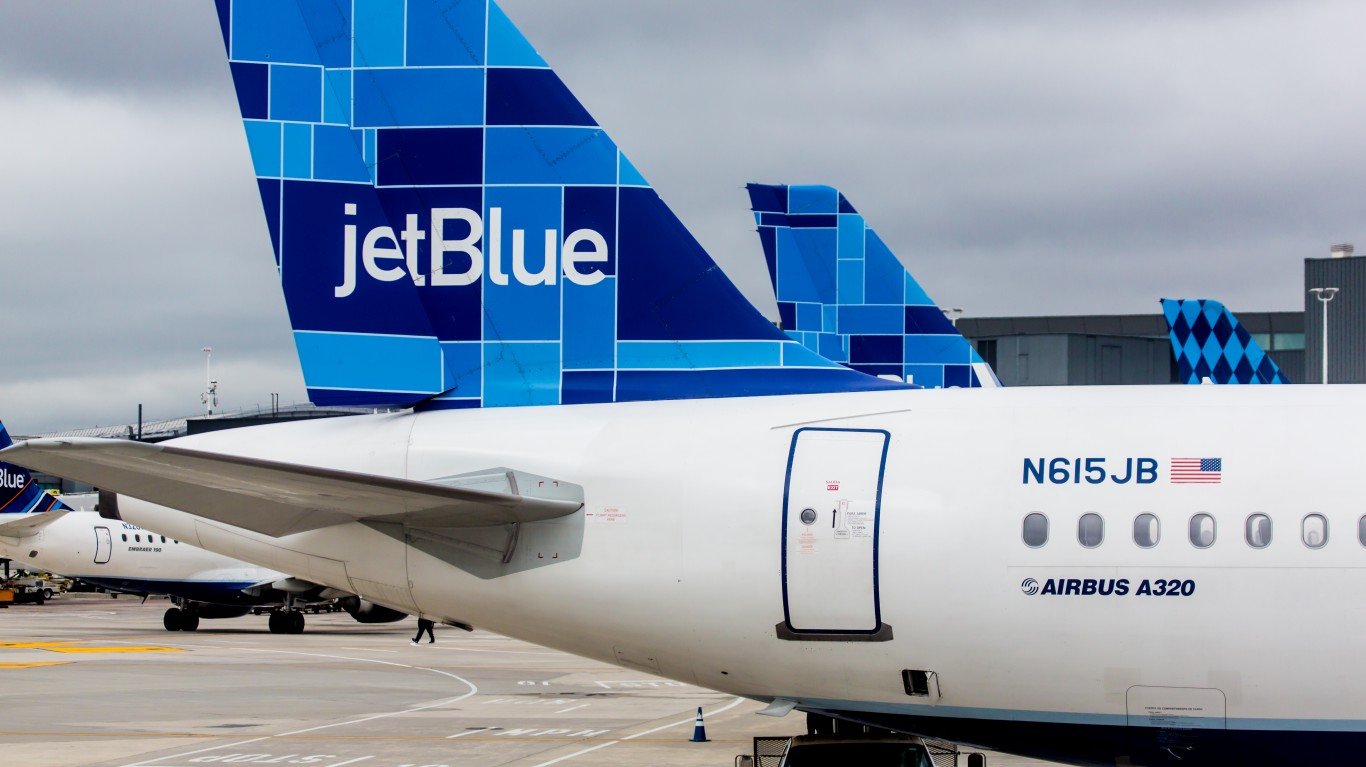
Airline stocks are pushing a week-long rally further, and JetBlue is leading the group for a second straight session. JetBlue Airways (NASDAQ:JBLU) stock is at $3.92, up 7% early in the session. On Friday, November 6, JetBlue stock gained 5%…

This post may contain links from our sponsors and affiliates, and Flywheel Publishing may receive compensation for actions taken through them.
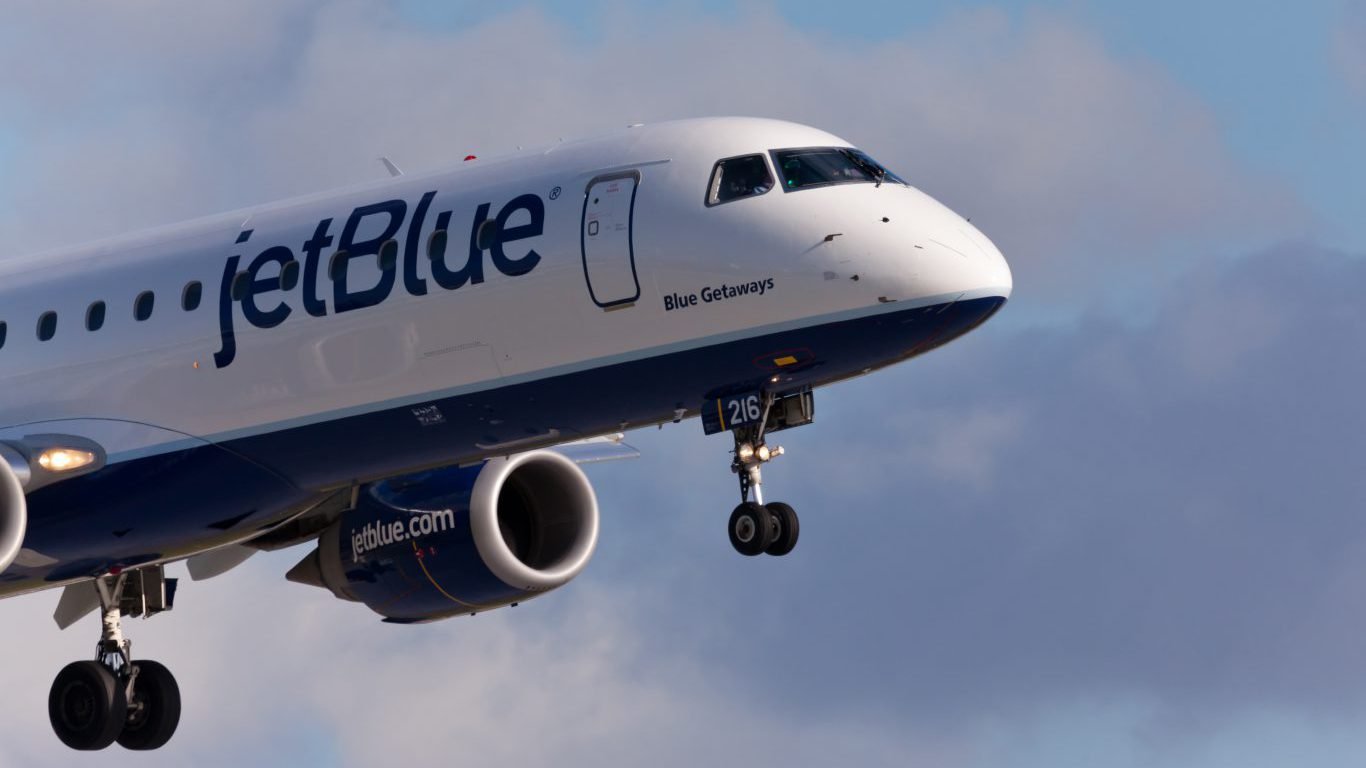
Airline stocks are pushing a week-long rally further, and JetBlue is leading the group for a second straight session. JetBlue Airways (NASDAQ:JBLU) stock is at $3.92, up 7% early in the session. On Friday, November 6, JetBlue stock gained 5% and closed at $3.67.
The gains are spreading across the airline group, which points to sector-wide buying and a stronger appetite for risk across the market. Major indexes are higher as investors return to artificial intelligence shares after the volatility that followed the midterm elections, and oil is sliding. That’s a welcome environment for carriers whose fuel bills weighed on their Q3 2026 results. JetBlue is outpacing the bigger carriers, a pattern that fits an airline with a market value of just $1.48 billion.
Deutsche Bank Upgrade and Fare Strength Set Up JetBlue’s Run
Deutsche Bank (NYSE:DB | DB Price Prediction) analyst Michael Linenberg upgraded JetBlue to Buy from Hold on November 5, citing a favorable seat supply environment into next year. Linenberg also pointed to carriers prioritizing higher fares to offset costs such as fuel, a shift he noted particularly helps airlines serving value-conscious leisure travelers, adding that airlines with the most operating and financial leverage, including JetBlue, would benefit most if geopolitical tensions cool and fuel prices become less volatile.
JetBlue’s Q3 results, released October 26, showed fare strength at work even as losses continued. The carrier posted an adjusted loss per share of $0.60, missing expectations, while its revenue rose 21.1% year over year (YoY) to $2.81 billion. Unit revenue at JetBlue, measured as revenue per available seat mile (RASM), grew 18.4% YoY, and the company guided for its Q4 2026 RASM growth of 18% to 22%.
JetBlue held its October 27 call. On it, CEO Joanna Geraghty stated, “Customer demand remains resilient.” Profit remains the challenge at JetBlue, as its generally accepted accounting principles (GAAP) net loss grew to $257 million from $143 million a year earlier.

United Airlines and American Airlines Keep Pace With JetBlue
United Airlines Holdings (NASDAQ:UAL) stock is at $120.16, up 7%. At the same time, American Airlines Group (NASDAQ:AAL) stock is at $13.99, up 6%.
Pricing power ties the peers’ gains to JetBlue’s. United Airlines CEO Scott Kirby noted on his company’s October 21 call, “I think pricing is going to stay.” Losses still shape the story at American Airlines, where CEO Robert Isom asserted on the October 22 call, “We are not satisfied with the loss, no matter the reason, and we will do better.”
JetBlue still isn’t profitable, so shifts in fare or fuel expectations move its earnings outlook more sharply than they do at United Airlines. That larger carrier posted adjusted earnings per share of $2.54 in Q3, narrowly missing expectations while staying solidly in the black.

How JetBlue’s Business Differs From the Network Giants
Value-focused flying out of the Northeast is JetBlue’s core, built around New York, a growing Fort Lauderdale hub and a heavy Caribbean and Latin America mix, while United Airlines and American Airlines run global hub-and-spoke networks with long-haul international routes, premium cabins and large loyalty programs. Delta Air Lines (NYSE:DAL) focuses hardest into premium travel and owns a refinery that helps offset its fuel costs.
Because of that mix, JetBlue is more exposed to leisure demand and Northeast congestion, while the larger carriers spread their risk across corporate travel and overseas markets. Premium is where JetBlue is trying to close the gap. The new BlueFirst domestic first-class product joins JetBlue’s Mint service, and the company expects the cabin to lift unit revenue as it rolls out.
JetBlue’s Road From Rally to Profit
JetBlue’s upcoming challenge is whether its Q4 delivers the 1 to 2 points of adjusted operating margin expansion the company has guided for. Supporters highlight the JetForward plan, which targets at least $1 in earnings per share and positive free cash flow by 2028, plus the BlueFirst launch on December 8.
JetBlue’s continuing losses and $8.4 billion in total debt give the bears their case, since a renewed jump in fuel could leave the airline little room for error. Traders may prefer to keep their share exposure smaller until JetBlue’s push toward 2027 profit resolves.
Contact [email protected] for any questions or corrections.
David Moadel is financial writer specializing in stocks, ETFs, options, precious metals, and Bitcoin. David has written well over 1,000 articles for leading online publications, helping investors understand markets, income strategies, and risk.His work has appeared in The Motley Fool, InvestorPlace, U.S. News & World Report, TipRanks, ValueWalk, Benzinga, Market Realist, TalkMarkets, Finmasters, 24/7 Wall St., and others.With a master’s degree in education, David has taught at the elementary, high school, and college levels. That teaching background shapes his writing style: clear, educational, and practical. David has also built a loyal social-media audience by providing trustworthy financial content on YouTube, X/Twitter, and StockTwits.