JetBlue Drops 5% as Rebounding Oil Prices Hit Airline Stocks; United and Delta Fall 4%

This post may contain links from our sponsors and affiliates, and Flywheel Publishing may receive compensation for actions taken through them.
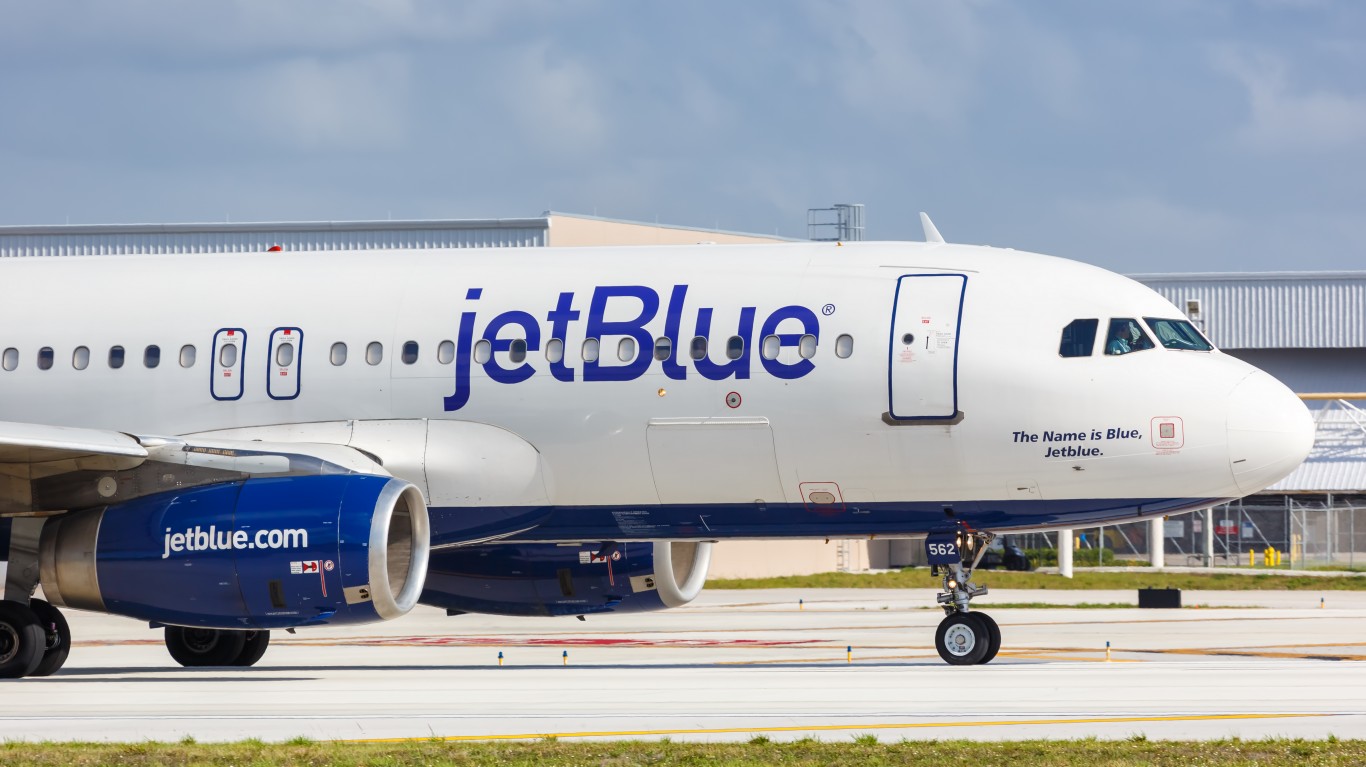
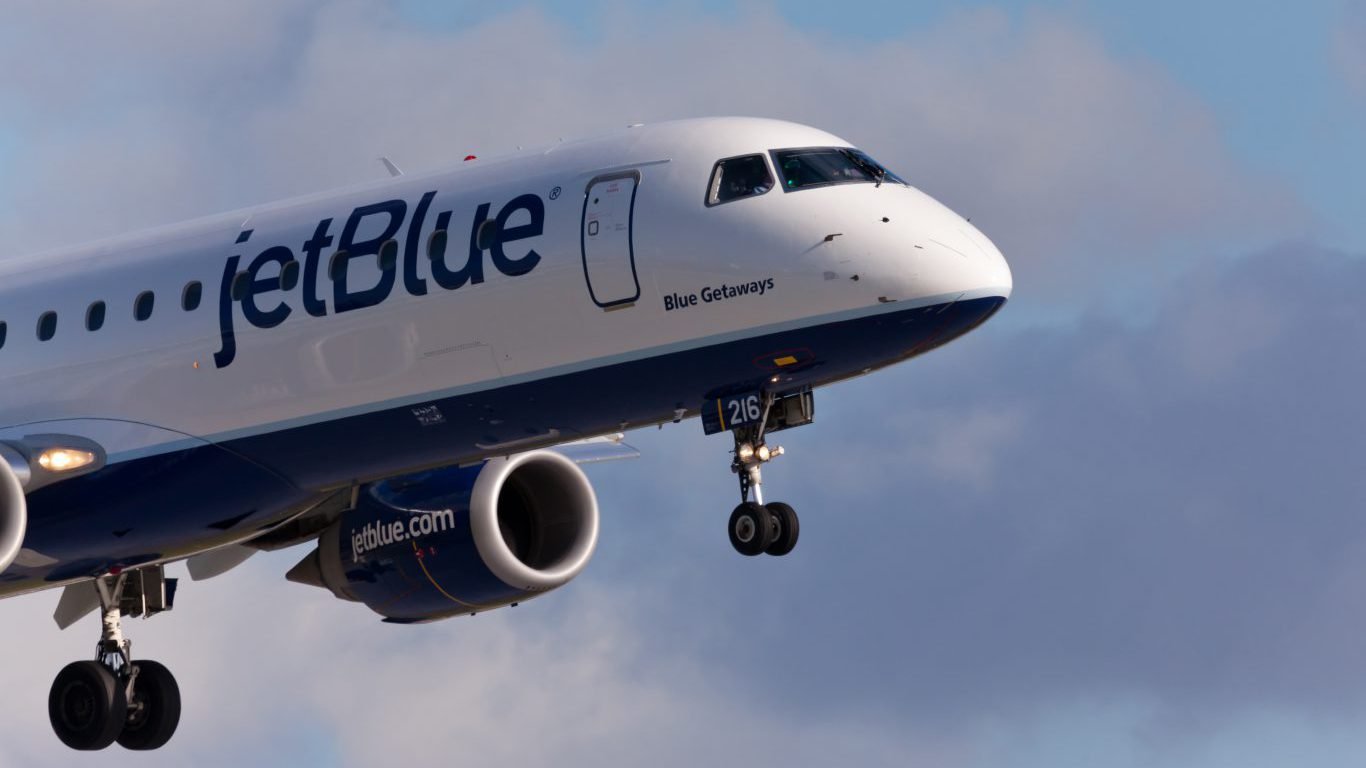
Airline stocks are falling as oil prices rise, and JetBlue Airways (NASDAQ:JBLU) is taking the sharpest hit among the major U.S. carriers. JetBlue shares changed hands at $3.83 Thursday afternoon, down 5%. Fuel is one of an airline’s largest costs, so a climb in West Texas Intermediate (WTI) crude oil tends to pressure airline shares quickly.
The oil rebound finds JetBlue with less cushion than its larger rivals. On October 27, the company reported a Q3 2026 adjusted loss of $0.60 per share and guided its Q4 2026 fuel cost to $4.64 per gallon. Chief executive Joanna Geraghty stated on that day’s earnings call, “The fuel challenges the industry faces are real, but so is our progress.”
Crude Oil Turns Higher and Airline Stocks Feel the Squeeze
Crude oil slipped overnight on hopes for Iran and Ukraine peace talks, then turned higher during the U.S. session on November 12. The United States Oil Fund (NYSEARCA:USO), an exchange-traded fund (ETF) that tracks WTI crude oil futures, is up 2%. That rise follows a strong run for JetBlue and other airline stocks earlier this month, when oil fell on Iran peace-talk hopes.
Wall Street’s tone is risk-off as well, following a hotter-than-expected October Consumer Price Index (CPI) reading and the resignation of a major chipmaker’s CEO. Energy is the market’s top-performing sector, while industrials and small-cap stocks lag. JetBlue is the smallest of the four carriers by market value, which places it closer to the small-cap end of the market.
How United Airlines, Delta and American Airlines Stack Up Against JetBlue
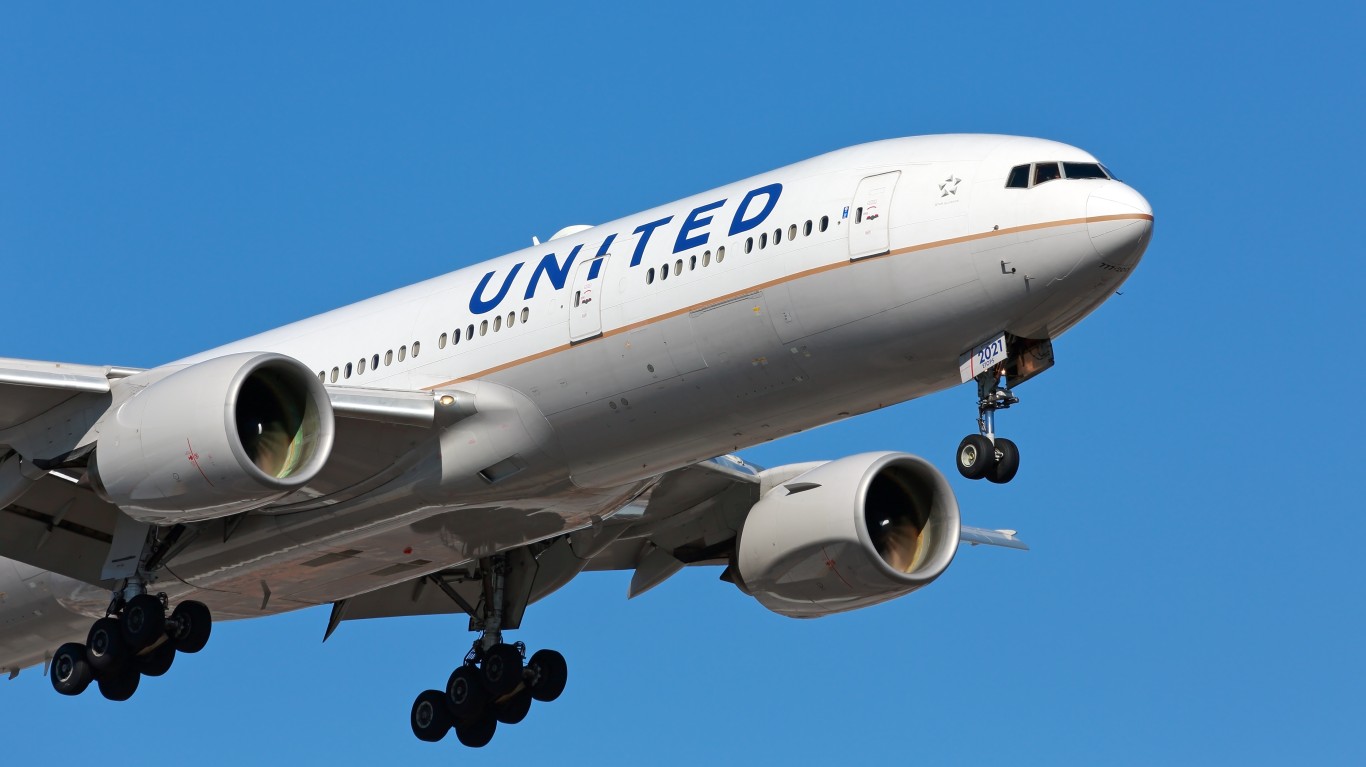
United Airlines Holdings (NASDAQ:UAL | UAL Price Prediction) stock is trading at $113.30, down 4%. The company held its October 21 earnings call. United Airlines’ chief financial officer Michael Leskinen declared, “We are highly confident in our ability to recapture 100% of increases in our fuel cost, but with a lag.” The carrier’s Q4 guidance of $0.50 to $1.50 in adjusted earnings per share assumes fuel at approximately $4.80 per gallon, leaving room for pressure if the oil price keeps rising.
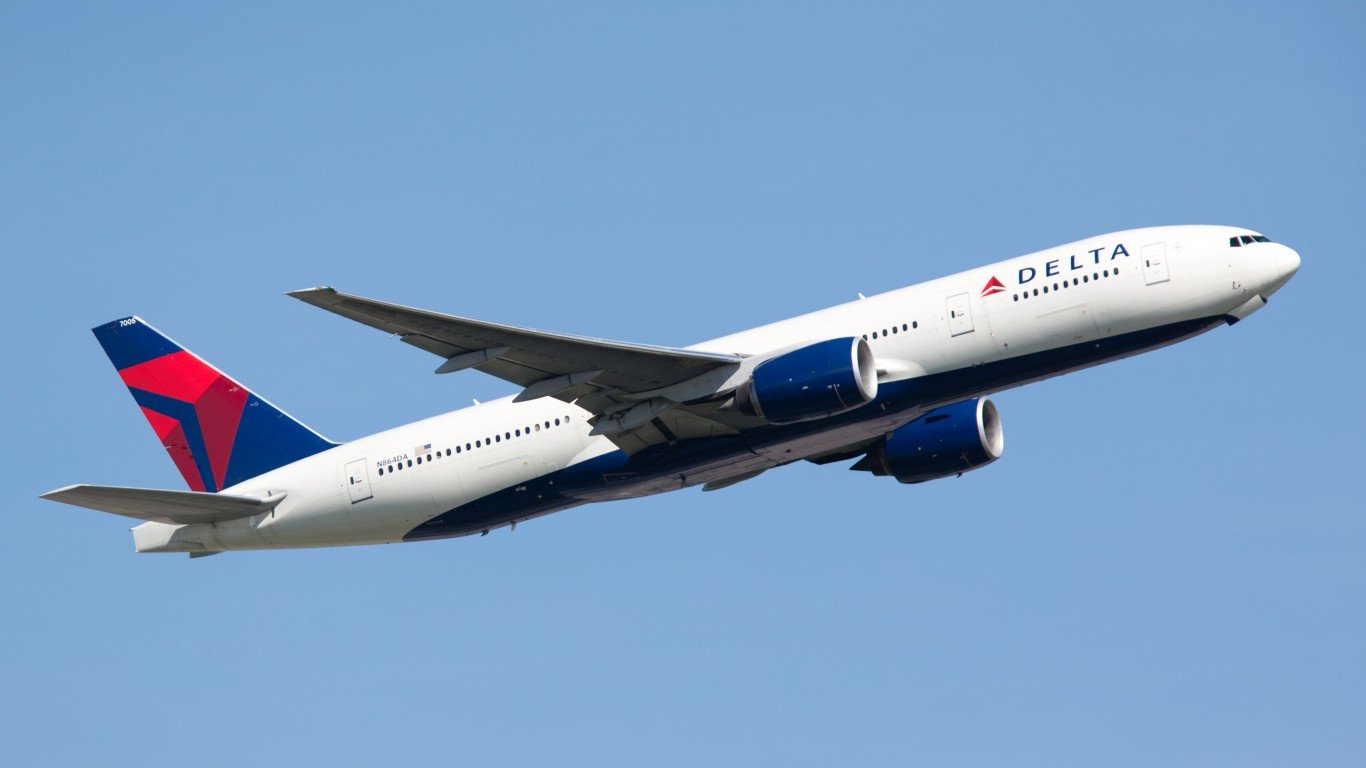
Meanwhile, Delta Air Lines (NYSE:DAL) stock is at $87.96, down 4%. A company-owned refinery offsets part of Delta’s jet fuel bill, and the carrier projected its Q4 fuel cost at $4.25 per gallon including that benefit. Management noted that its full-year outlook includes a refinery benefit of more than $700 million.
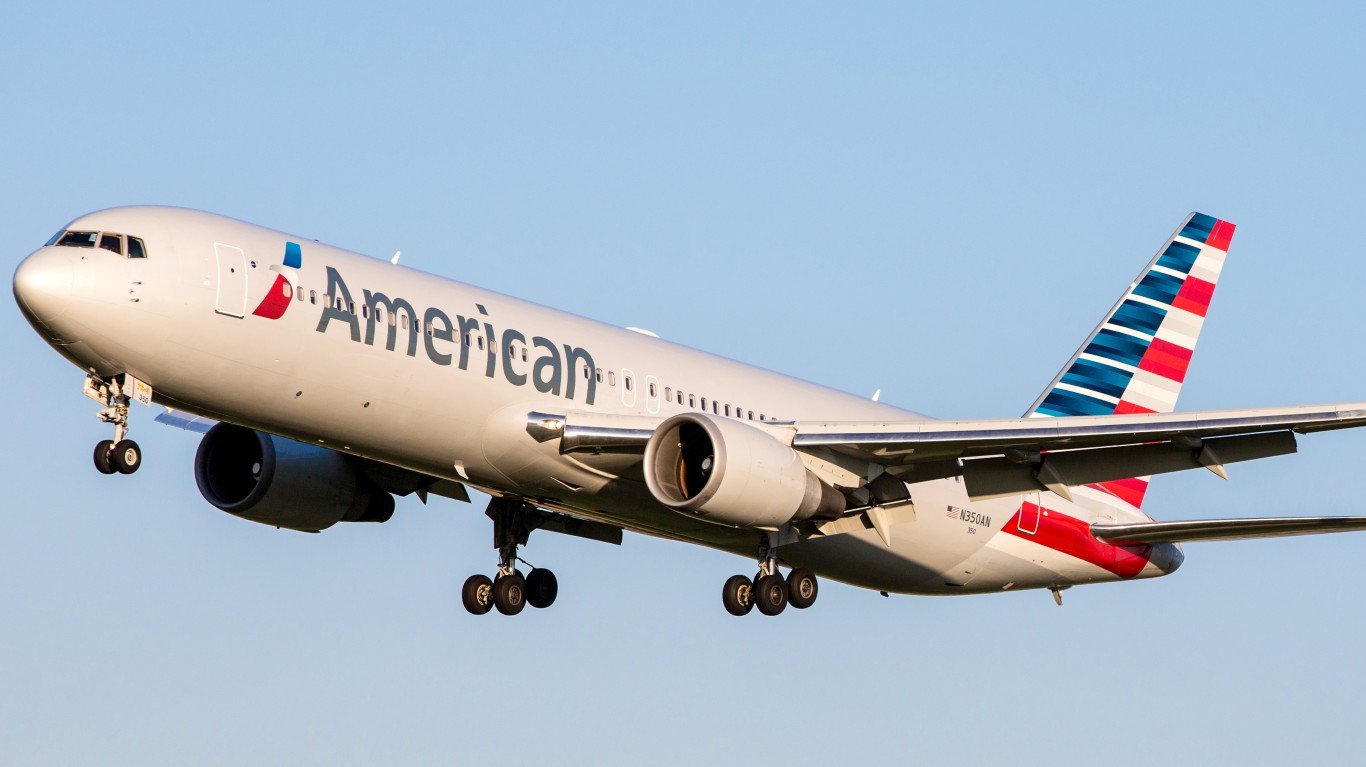
Additionally, American Airlines Group (NASDAQ:AAL) stock is at $13.67, down 3%. Fuel at nearly double last year’s level lies behind American Airlines’ Q4 forecast of an adjusted loss of $1.10 to $0.50 per share.
JetBlue’s decline is the steepest of the four, a pattern that fits how smaller carriers with less cushion often swing harder on fuel. Among the larger carriers, American Airlines is posting the smallest drop.
What Sets JetBlue Apart From Its Bigger Rivals
A smaller, point-to-point network concentrated in the Northeast and Fort Lauderdale defines JetBlue’s business. That network leans on a premium push. It includes Mint and the BlueFirst domestic first-class cabin launching December 8 under the company’s JetForward plan, which hasn’t reached sustained profitability yet. With a narrower revenue base than the larger carriers, JetBlue has fewer ways to offset a fuel spike.
United Airlines runs a global hub network supported by premium cabins, international routes, cargo and its MileagePlus loyalty program, while Delta pairs a network heavy on premium travel and loyalty with co-brand credit card economics and its own refinery as a partial fuel hedge. American Airlines is leaning on premium and corporate demand as it works to restore profitability.
JetBlue’s Fuel Test as Oil Rebounds
The question for JetBlue is whether fare increases can keep pace with fuel if the oil price extends its rise. On the October 27 call, the company said it recovered 80% of higher fuel costs in Q3 and expects Q4 adjusted operating margin to expand by one to two points even with fuel up 85% from a year earlier.
Bullish investors point to resilient demand, rising fares and $2.2 billion in quarter-end liquidity as support for JetBlue’s 2028 goal of at least $1.00 in earnings per share. By contrast, the bears see a carrier still posting losses, with thin protection if oil keeps climbing.
Market participants can watch for fresh industry fare increases as a sign that JetBlue and its rivals are passing higher fuel costs through to travelers. A cautious investment approach may make sense until the path of oil prices resolves.
Contact [email protected] for any questions or corrections.
David Moadel is financial writer specializing in stocks, ETFs, options, precious metals, and Bitcoin. David has written well over 1,000 articles for leading online publications, helping investors understand markets, income strategies, and risk. His work has appeared in 24/7 Wall St., The Motley Fool, InvestorPlace, U.S. News & World Report, TipRanks, ValueWalk, Benzinga, Market Realist, MarketScreener, TalkMarkets, Finmasters, and others. With a master’s degree in education, David has taught at the elementary, high school, and college levels. That teaching background shapes his writing style: clear, educational, and practical. David has also built a loyal social-media audience by providing trustworthy financial content on YouTube, X/Twitter, and StockTwits.